Key Takeaway
A picture window is a large fixed window with no moving parts, designed to maximize views and natural light without ventilation. It can be highly energy efficient, with no operable joints to leak air. In California Climate Zone 12, replacement units must meet 0.27 U-factor and 0.23 SHGC under 2025 Title 24 standards. Pairing one with casement or awning flankers solves the ventilation gap.
A picture window is a large, fixed window built to frame a view of the outdoors and add natural light to a room. It doesn’t open, and there’s no hardware to operate. That sealed design can perform well on air leakage, but it gives you no ventilation and cannot serve as an emergency escape opening. If you’re weighing a bigger view for a living room, a stairwell, or a rear wall facing the backyard, this guide covers what to sort out first.
What Is a Picture Window, and How Does It Work?
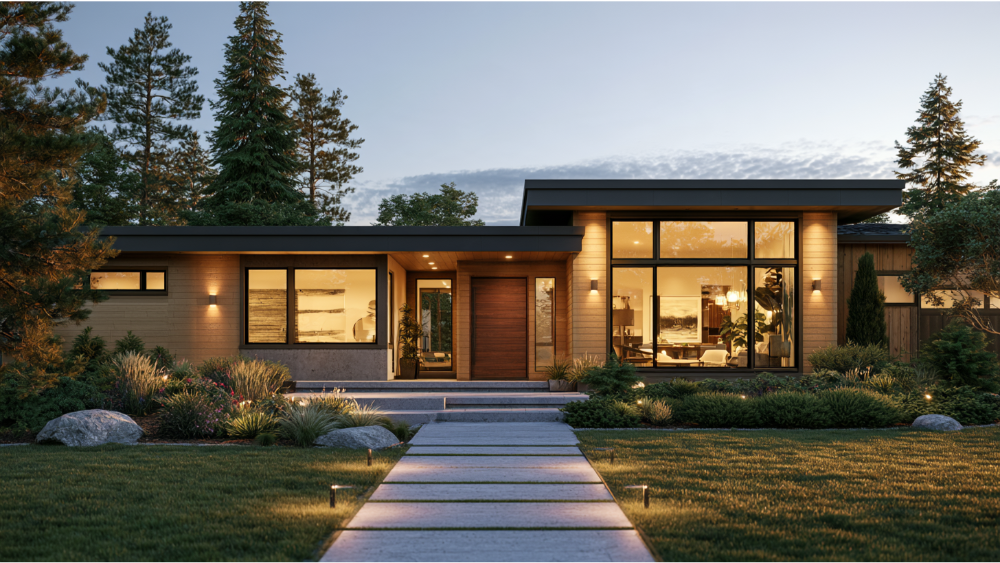
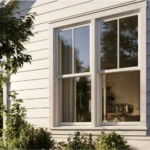
There’s no sash, no track, no hinge, and no crank. The glass is set directly into a low-profile frame, which means more visible glass and fewer parts that can wear out. Because nothing moves, a picture window can be built larger than most operable windows and stays secure without hardware. Paired with a low maintenance vinyl frame, upkeep comes down to washing the glass.
One point a lot of online guides get wrong: “one uninterrupted lite of glass” is not the same as single-pane glass. A modern picture window looks like a single sheet from inside, but it’s typically an insulated unit with two panes and low e glass that reflects heat back where it belongs. Triple pane glass is worth asking about on very large openings.
Picture Window vs. Fixed Windows, Bay Windows, and Garden Windows
Every picture window is a fixed window, but not every fixed window is a picture window. “Fixed” is the mechanical category. “Picture” is the large, view-first version with minimal frame interruption. Fixed windows also commonly cover geometric and transom shapes, so explore your options by type. A garden window is a different animal: it projects out over a kitchen sink and uses glass shelving to display herbs and small plants.
| Style | Opens? | What it does | Best use |
|---|---|---|---|
| Picture | No | One large lite, minimal frame | View walls, daylight |
| Other fixed & geometric | No | Smaller or shaped lites | Gables, transoms, accents |
| Bay | Flankers usually | Multi-panel projection that adds interior space | Living rooms, window seats |
| Garden | Often has vents | Projecting box with glass shelving | Above a kitchen sink |
Picture Window Pros and Cons
| Benefits | Trade-offs |
|---|---|
| Unobstructed view of the outdoors, more natural light | No ventilation at all |
| Durable build, no moving parts to fail | Cannot serve as a bedroom escape opening |
| Energy efficient seal, no operable joints | Large glass can add glare and solar heat |
| Curb appeal and design options | Safety glazing may be required |
| Often a lower unit cost than comparable operable windows | Large custom windows demand precise installation |
Where Do Picture Windows Work Best in Your Home?
Living rooms, dining rooms, stairwells, tall foyer walls that run to the ceiling, high openings you’d never reach to operate, and rear walls facing a view. Custom sizing down to an eighth of an inch makes odd or oversized openings straightforward, including glass that runs from floor to ceiling. A tall stairwell wall is a perfect example. A picture window is a great option wherever you want to create a focal point and bring in more daylight.
Bedrooms need care. Fixed picture windows can go in a sleeping room only if another exterior opening still meets emergency escape requirements. Skip this option where you need a window you can open and close, where privacy matters, where an unshaded west wall has no shade plan, or where the exterior can’t be cleaned safely.
Are Picture Windows Energy Efficient?
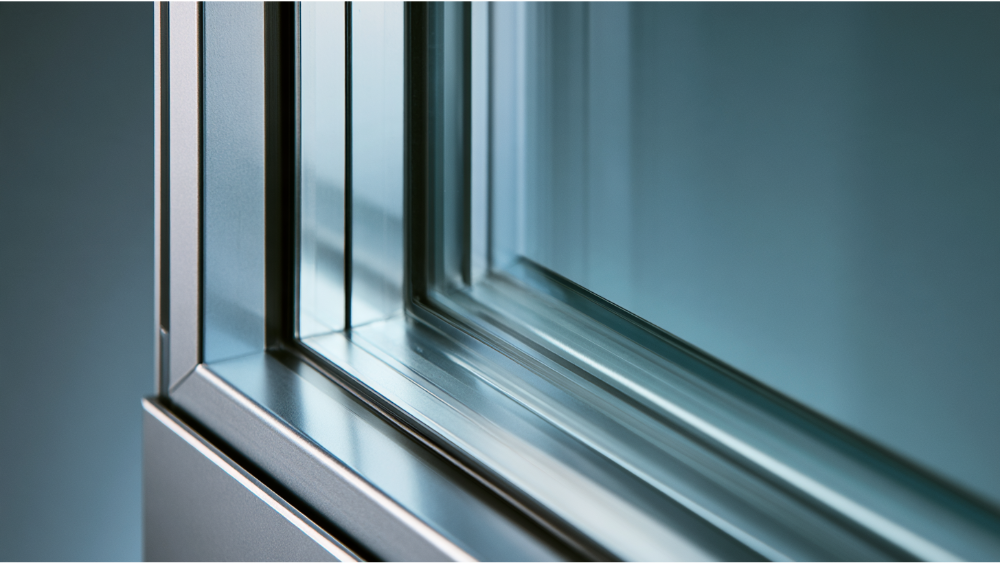
Fixed windows can be among the tightest in a home, since there are no operable joints to leak. But fixed doesn’t automatically mean energy efficient. Three numbers decide window energy efficiency: U-factor (heat flow through the whole window, lower is better), SHGC (how much solar heat gets in, lower is better in hot climates), and visible transmittance (how much daylight passes through). NFRC-certified labels, not brochures, carry the real numbers.
Energy Star® Version 7.0 criteria, effective October 23, 2023, cap air leakage at 0.3 cfm/ft² for certified windows. Energy Star® estimates that replacing single-pane windows can cut heating and cooling costs by up to 13% nationally, an average rather than a promise. We install factory-direct Anlin windows with Energy Star® certified glass options, and perimeter air sealing around a picture window matters as much as the unit itself. What makes energy efficient windows work is matching glass to orientation.
What Windows Pair Best With a Picture Window?
- Casement windows as flankers on either side to create strong airflow
- An awning above or below, which sheds rain while open
- Single hung or double hung windows for traditional lines
- Sliders for wide openings, or a bay or bow configuration
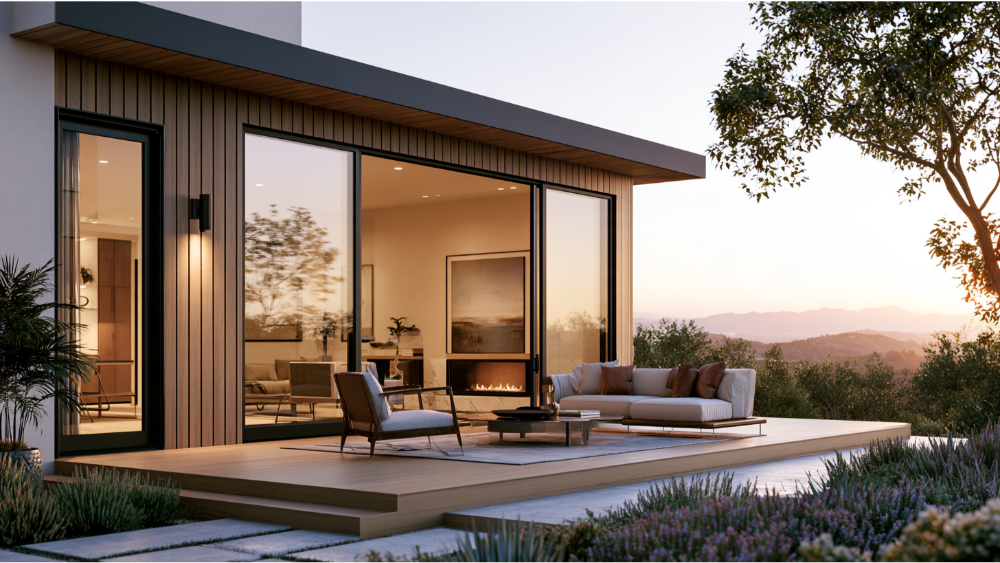
- A sliding patio door alongside the glass on a view wall
A few tips for making the combination look intentional: match sightlines, trim detailing, and frame color so the picture window and its flankers read as one design style. Wood, vinyl, and stucco exteriors each finish differently at the trim.
What Northern California Homeowners Should Check Before Installing One
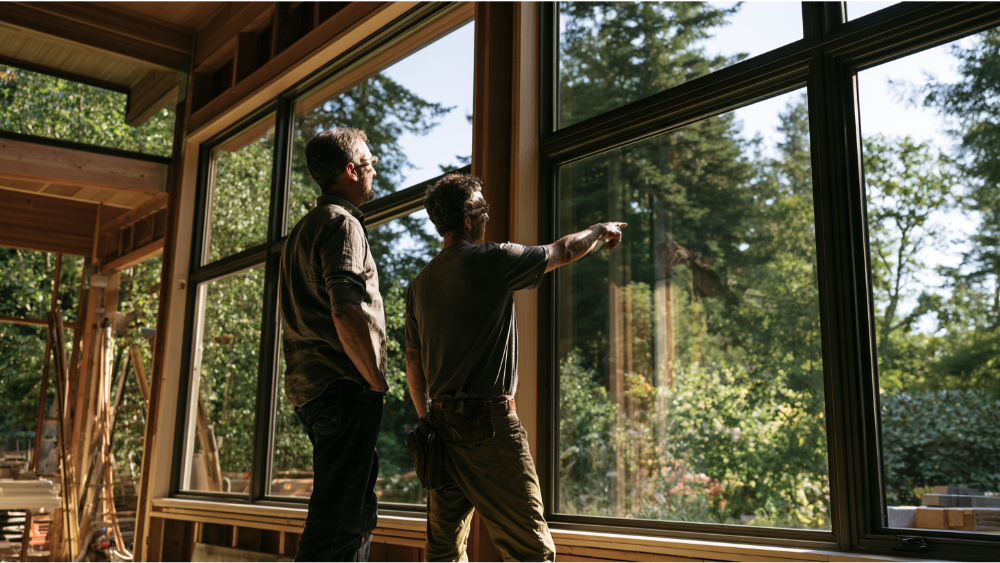
Orientation. West-facing picture windows take Sacramento’s late-afternoon summer load. Pair low-SHGC glass with overhangs, shade, or interior coverings.
Title 24. California’s 2025 Building Energy Efficiency Standards took effect January 1, 2026. Sacramento sits in Climate Zone 12, where the 2025 prescriptive maximums are 0.27 U-factor and 0.23 SHGC. A limited exception lets replacement vertical fenestration totaling no more than 75 square feet use up to 0.40 U-factor and 0.35 SHGC.
Bedroom egress. City of Sacramento guidance for new emergency escape openings: 5.7 square feet net clear, at least 24 inches of clear height and 20 inches of clear width, with the sill no more than 44 inches above the floor.
Safety glazing. A pane over 9 square feet with its bottom edge under 18 inches from the floor and a walking surface within 36 inches lands in a hazardous location, so it needs tempered or laminated glass.
Permits and older homes. Window replacement generally requires a permit in both the City and County of Sacramento, so confirm jurisdiction by address. Landmark and contributing structures may need preservation review. EPA’s Renovation, Repair and Painting Rule covers paid window work in most pre-1978 housing. We run this review before anything is ordered.
What Affects Picture Window Cost?
The unit itself often costs less than comparable operable windows because there’s no hardware. Installation can run higher on large or elevated openings. Factors that move the number:
- Size, shape, and glass weight
- Glass options: low-e, tempered, or laminated
- Frame material (vinyl, wood, fiberglass)
- Retrofit versus full-frame installation
- Structural changes to the opening
- Stucco, siding, trim, or interior repairs
- Permit and preservation review
- Number of windows and warranty coverage
A free estimate or our no-obligation online window cost estimator is the only honest way to find a project-specific figure. We also offer 0% APR financing options and 100% project financing OAC, with terms reviewed during your consultation.
Repair, Retrofit, or Full Replacement
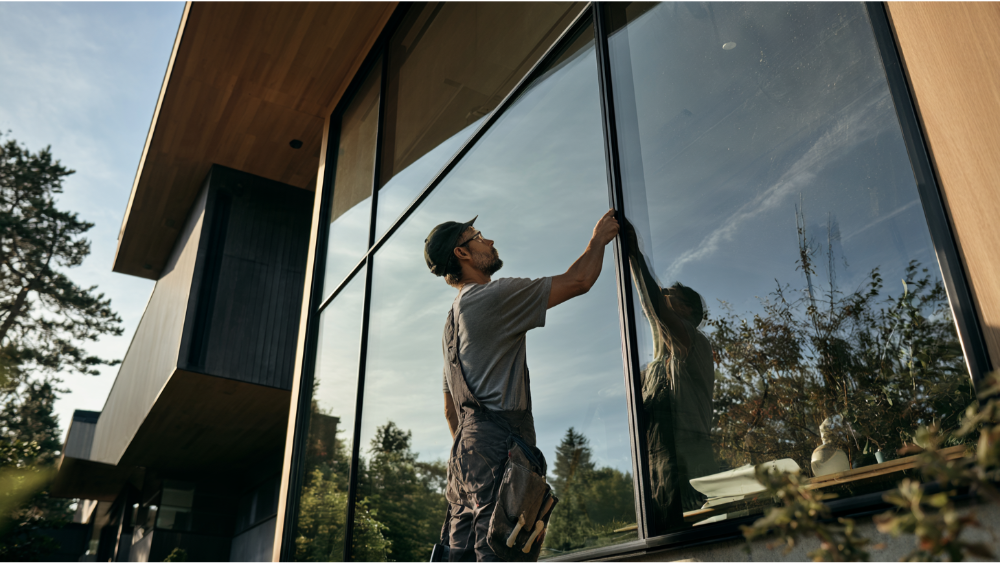
Fog between panes usually means a failed insulated glass unit, which doesn’t always require a whole new window. Cracked glass, perimeter drafts, rot, water damage, or a wish for more visible glass and added ventilation point toward retrofit or full-frame replacement of the picture window. Enlarging the opening becomes structural work.
With 17+ years of experience, we handle precision measurement, air and water sealing, and safe handling of oversized glass, typically in one to two days, with cleanup included. Your coverage comes in two parts: the Anlin Limited Double Lifetime Warranty on vinyl, glass, hardware, and accidental glass breakage per Anlin’s terms, plus our separate 10-year labor warranty on the installation.
Frequently Asked Questions
What is considered a picture window?
A large fixed lite of glass in a low-profile frame, built to frame a view and increase natural light. It’s one of the fixed windows, so it doesn’t open and provides no ventilation.
What is the average cost of a picture window?
No single figure is worth quoting. Cost depends on size, glass options, frame material, and installation method, which is why we measure and give a free estimate.
What’s the difference between a picture window and a bay window?
A picture window is flat, with one large fixed lite. A bay projects outward in panels, which makes the space feel larger, and usually includes operable windows for airflow.
Are picture windows still in style?
Yes. Demand for natural light, slim frames, and indoor-outdoor views keeps picture windows current, and they pair well with casement or awning flankers.
Let’s Get Your Project Started
Tell us about the window opening and we’ll compare glass options, configurations, energy efficiency, and code requirements for your home, with straight advice on what fits. Simple, stress-free, quality without compromise. Get a Free Estimate, no commitment required, or call (916) 202-2282. Our Sacramento office is at 5037 College Oak Dr STE A.