Key Takeaway
Window glazing refers to the complete glass system in a window, including the panes, sealed airspace, gas fill, low-E coating, and spacers that together control heat and comfort. Modern double-pane units with a quality low-E coating can reduce energy loss through the glass by 30% to 50% compared with standard windows. The word also describes the glazing compound used to bed and seal glass in older wood sashes, a repair that can extend a sound window’s life by decades when done correctly.
Window glazing is the glass system in a window: the glass panes, the sealed air or gas space between them, the low-E coating, and the spacers that hold it all together. The same word also describes the act of setting glass into a frame, and the glazing compound that beds and holds a pane in an older wood sash. Which meaning applies depends on whether you’re buying windows or repairing one.
If you’re staring at a quote full of unfamiliar terms, looking at a foggy pane, or chipping crumbling glazing putty off a 70-year-old sash, you’re in the right place. We’ll cover what a modern glazing system includes, how single, double, and triple glazing actually compare, how to reglaze old windows properly with oil based glazing compound, and how to tell when repair has stopped being the smart call.
What Does Window Glazing Actually Mean? (Three Definitions)

| Meaning | What it refers to | Who this matters to |
|---|---|---|
| The glass system | Glass panes, sealed space, low-E coatings, gas fill, spacers | Homeowners comparing replacement windows |
| The process | Setting and securing glass into a sash or frame | Anyone reading a repair scope or estimate |
| The compound | The putty material that beds and seals a pane in a wood sash | Owners of older wood windows |
Which path are you on? If you’re shopping for new windows, the sections on glazing systems, pane counts, and performance ratings will do the most for you. If you’re repairing what you already have, skip ahead to the compound comparison and the step-by-step reglazing walkthrough. Not sure yet? The repair-versus-replace table further down will sort it out.
What’s Inside a Modern Window Glazing System?
A modern double or triple-pane window isn’t a sheet of glass. It’s an insulated glass unit, or IGU: two or more glass panes separated by a sealed, dehydrated space, bonded around the edges so the cavity stays dry and intact. That sealed space is what slows heat moving through the window glazing.
Here’s what’s in the package:
- Glass panes. Two in a double-glazed unit, three in a triple.
- The sealed airspace. Dry, enclosed, and doing most of the insulating work.
- Argon or krypton gas fill. Inert gases that transfer heat more slowly than air. The U.S. Department of Energy notes krypton performs well in narrow cavities, around a quarter inch, and typically shows up in higher-performance builds.
- Low-E coating. A microscopically thin metallic material that controls radiant heat.
- Spacer and edge seal. Warm-edge spacers reduce heat transfer at the glass perimeter and cut down on condensation along the edges.
- Tempered or laminated safety glazing where code requires it.
One thing most brochures underplay: the frame, the sash, and the quality of the installation shape whole-window performance as much as the glazing does. A premium IGU in a leaky opening will underperform a mid-tier unit installed correctly.
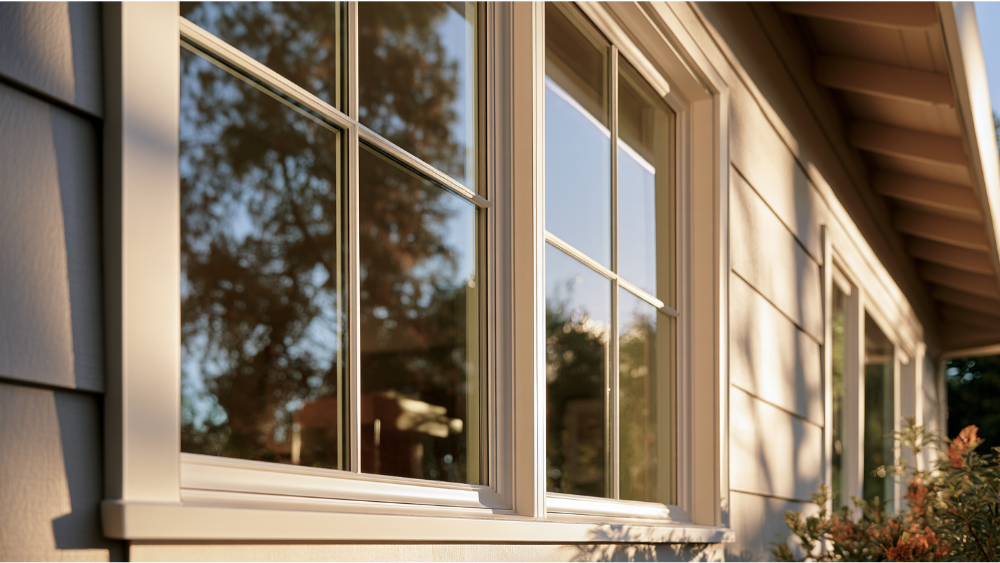
Single vs. Double vs. Triple Glazing: What’s the Real Difference?
| Single glazing | Double glazing | Triple glazing | |
|---|---|---|---|
| Glass panes / sealed spaces | 1 pane, none | 2 panes, 1 cavity | 3 panes, 2 cavities |
| Insulating potential | Very low | Strong with a good low-E package | Highest, with diminishing returns |
| Weight / frame demands | Light | Moderate | Heavy, needs capable frames and hardware |
| Best-fit use case | Historic sash restoration, outbuildings | Most Northern California homes | Severe climates, high noise exposure |
| Limitations | Drafts, condensation, heat gain | Performance depends on the glazing package chosen | Cost and weight may outpace the comfort gain |
More panes is not automatically the right answer. A well-specified double glazing package with the correct low-E coating, a warm-edge spacer, and a tight frame will outperform a vaguely specified triple-pane unit, and it will usually suit a climate where blocking summer sun matters more than holding heat in through a brutal winter.
The factors that actually decide the outcome are whole-window U-factor, solar heat gain coefficient, the specific low-E formulation, the spacer system, air leakage, and which direction the window faces. DOE reports that low-E window glazing can reduce energy loss by roughly 30% to 50% compared with regular windows. Read that carefully: that’s energy loss through the window, not a promised cut to your utility bill.
How Glazing Affects Comfort, Energy Efficiency, and Noise
Good glazing changes how a room feels before it changes what you pay. Cold glass in winter pulls heat off your body and reads as a draft even when no air is moving. Hot west-facing glass in August radiates into the room all evening. Low-E coatings reflect interior heat back inside during winter and block radiant solar heat in summer, and they cut UV exposure that fades floors and furniture. If traffic noise is the real complaint, a laminated pane usually does more for a quieter home than adding a third pane.
How to read the numbers on a window label
| Rating | What it measures | Typical range | What to look for |
|---|---|---|---|
| U-factor | Heat transfer rate through the whole product | About 0.20 to 1.20 on NFRC labels | Lower is better |
| SHGC | How much solar heat gets through the glazing | 0 to 1 | Lower blocks more sun |
| Visible transmittance | Natural light through the glass | 0 to 1 | Higher means a brighter room |
| Air leakage | Air passing through the assembly | ENERGY STAR® requires no more than 0.3 cfm/ft² | Lower is tighter |
| Condensation resistance | Ability to resist moisture forming on the glass | Scored scale | Higher scores resist condensation better |
NFRC rates the whole window, not just the center of the glazing, which is why those numbers beat any marketing phrase on a brochure. ENERGY STAR® Version 7.0 took effect October 23, 2023, and EPA estimates certified windows, doors, and skylights can cut heating and cooling costs by up to 13% on average versus noncertified products. That’s a voluntary federal certification, not a building code requirement. The two are different, and California makes that distinction matter.
One more thing worth checking before you blame the glazing: drafts often come from the operable sash or the gaps where the window meets the surrounding walls, not the pane itself. Sealing those gaps is sometimes the whole repair.
Oil Based Glazing Compound vs. Latex: Choosing the Right Material for Old Windows
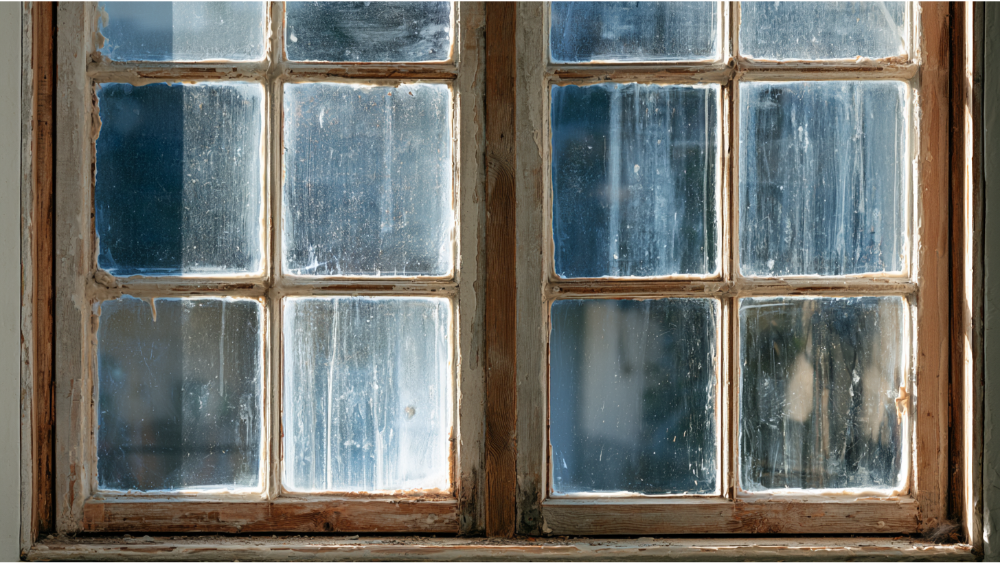
On a traditional wood sash, glazing putty does three jobs. It beds the pane so it sits evenly, seals out water and air, and cushions the glass as the wood moves with the seasons. When that bead cracks and falls away, water gets into the rabbet and the sash starts to rot from the inside. Cracks in the compound are the early warning, and catching them is the difference between a weekend repair and a rebuild.
| Oil based glazing compound | Latex-based compound | |
|---|---|---|
| Cure time before painting | Slow, typically 2 to 3 weeks | Fast, often paintable within a few hours |
| Durability | Decades when painted and maintained | Shorter service life |
| Cleanup | Solvent such as mineral spirits | Water |
| Best use | Historic and older wood sash work | Quick repairs, interior work, cooler conditions |
Oil based compound remains the traditional material for old windows, the same stuff that has held panes in New England farmhouse sashes for generations, and a properly bedded, painted, and maintained glazing job can last 50 to 75 years. Latex trades that longevity for speed, which makes it a reasonable pick on an interior repair you want back in service the same day. One rule holds either way: a tube of caulk is not a substitute for glazing compound on a wood sash. It won’t bed the glass, and it makes the next repair miserable.
Before you start the project, gather your tools and set up somewhere you can work flat, like a bench in the garage or a shaded front porch. You’ll want a stiff putty knife, a flexible glazing knife, a controllable heat source, replacement glazing points, primer, your chosen compound, and exterior paint for the final step.
How to Replace Old Glazing: Tools, Glazing Points, and Technique
- Remove the old glazing. The first step is scraping the cracked, failed compound out of the rabbet with a putty knife. Soften stubborn sections with a heat gun on a low setting rather than force. Pull the old glazing points as you go, wear gloves because aged panes have sharp edges, and set the glass aside carefully if you’re reusing it.
- Clean and prime the wood. Bare wood wicks oil out of fresh compound and leaves it brittle. A coat of oil based primer in the rabbet prevents that and gives the new glazing something to grip.
- Bed the glass. Lay a thin, continuous bed of compound in the rabbet, set the pane, and press evenly along the edges until it seats. Pushing hard in one spot can break old glass or create voids under the pane.
- Set the glazing points. Push points into the sash roughly every 6 to 8 inches, with extras near the corners. These mechanically hold the glass. The glazing putty alone doesn’t.
- Pull the bevel. Work the compound in your hands until it has a Play Doh consistency, roll it into a rope, and press it firmly into the edges with the flat side of the putty knife. Putting the rope down in one continuous run beats patching short pieces together. Hold the glazing knife at a slight angle, draw a clean 45-degree bevel, and trim the excess so the bead sits just below the sight line.
- Cure, then paint. Give oil based glazing compound 2 to 3 weeks to skin over before painting. Clear any residue off the glass first with a razor blade held nearly flat.
Painting over new glazing compound
Painting isn’t optional on an exterior sash. Paint is what shields oil based compound from sun and rain, and skipping it is the fastest way to watch fresh putty dry out and crack within a few seasons. Lap the paint about a sixteenth of an inch onto the glass so the joint sheds water, and carry it onto the surrounding wood in the same pass. That lap is the key detail most first-time jobs miss.
Done well, reglazing can add decades of service to a sound wood window. Know where to stop, though. Large glass panes, insulated units, tempered or specialty glazing, and pre-1978 painted sashes aren’t good DIY territory. The glass is heavy and unforgiving, and older paint brings lead-safe requirements into the picture.
Reglaze, Replace the Glass, or Replace the Window?

| Condition | Likely path to evaluate |
|---|---|
| Cracks or missing putty, sound wood sash | Reglaze |
| Single broken pane, sound frame | Glass replacement and reglazing |
| Fog or moisture trapped between glass panes, sound sash and frame | IGU replacement may be possible |
| Rot, warping, repeated leaks, poor operation, widespread seal failure, or single-pane performance | Full window replacement |
| Historic property | Preservation review before any exterior change |
Condensation tells you a lot, but only if you notice where it is. Moisture on the indoor surface points to interior humidity, ventilation, or cold glass. Moisture on the outdoor surface is usually harmless and often a sign the glazing is doing its job. Moisture trapped between the panes is the one that matters: the edge seal has failed, insulating gas has escaped, and the trapped moisture can degrade the low-E coating. No amount of compound fixes that.
When full replacement is the honest answer, that’s where factory-direct Anlin windows and a careful install come in, and we’d rather tell you a reglaze will hold for another decade than sell you something you don’t need.
What Window Glazing Should Northern California Homeowners Look For?
Sacramento summers put the pressure on solar control. For most homes here, SHGC deserves more attention than squeezing the last hundredth out of U-factor, especially on west- and south-facing glass that takes the afternoon load.
The rules are specific. California’s 2025 Building Energy Efficiency Standards took effect January 1, 2026, and apply to permit applications submitted on or after that date. Sacramento sits in California Energy Code Climate Zone 12, where prescriptive single-family limits are generally a maximum 0.27 U-factor and 0.23 SHGC. An alteration exception allows up to 75 square feet of replacement vertical fenestration at a 0.40 U-factor and 0.35 SHGC. Which figures apply depends on replacement area, scope, compliance path, and your permitting jurisdiction.
A few more local considerations:
- ENERGY STAR® and Title 24 are not interchangeable. One is a voluntary federal certification, the other is enforceable code. Verify both before you sign off.
- Permits. The City of Sacramento treats residential window and door work as a minor permit category. Sacramento County requires permits for both retrofit and cut-in replacement. Historic districts may add preservation review.
- Wildfire areas. In designated WUI locations, CAL FIRE recommends dual- or multi-pane glazing with at least one tempered pane. Confirm current requirements with your local building department.
- Pre-1978 homes. EPA’s Renovation, Repair and Painting Rule covers full window replacement regardless of size, and removing painted glazing compound counts toward disturbed surface area.
Knowing the regional codes, Title 24, and how Northern California heat actually behaves is why we handle the energy-code paperwork ourselves instead of handing it back to the homeowner.
Questions to Ask Before You Approve a Window Quote

- What are the exact whole-window U-factor and SHGC?
- Is the product Energy Star® certified for this climate zone?
- Does it meet the Title 24 requirement that applies to this project?
- Which low-E coating and gas fill are included?
- Is safety glazing required at this opening?
- Is the work glass-only, sash replacement, retrofit, or full-frame replacement?
- Who pulls the permit?
- What lead-safe procedures apply if the home predates 1978?
- What manufacturer warranty covers the product, and what labor warranty covers the install?
- How are flashing, sealing, cleanup, and the final walkthrough handled?
A contractor who answers all ten in writing is a contractor you can plan around.
Frequently Asked Questions
How do you putty a glass window?
Clean and prime the rabbet, lay a thin bed of compound, set the pane with even pressure, and push glazing points in every 6 to 8 inches. Then rope the compound into the edges, pull a 45-degree bevel with a putty knife, trim the excess, let it cure, and finish by painting with a slight lap onto the glass.
Why glaze a window?
Window glazing seals the pane against air and water, holds and cushions the glass, and protects the sash from rot. It also keeps a wood window more energy efficient by closing the gaps around the glass edge.
What are the three rules of glazing?
Clean and prime the surface first. Work the compound to a Play Doh consistency and bed the glass fully with no voids. Support the pane with glazing points and pull a clean bevel before painting.
Can foggy double-pane windows be reglazed?
No. Fog between the glass panes means the insulated glass unit’s seal has failed. If the sash and frame are sound, IGU replacement may be possible. Otherwise, full window replacement is the path.
Let’s Make Your Glazing Decision Simple
The right glazing choice fits your home’s climate, window orientation, frame condition, and the code that applies to your permit. It isn’t the one with the most panes. Comfort, efficiency, and durability all depend on the glass package, but that package only delivers lasting performance when the whole window and the installation are right.
Elevate Construction & Window Installation brings 17+ years of experience helping Northern California homeowners compare NFRC ratings and find Title 24-compliant, energy efficient options for their home’s windows. We install factory-direct Anlin windows, backed by Anlin’s Limited Double Lifetime manufacturer warranty covering vinyl, glass, hardware, and accidental glass breakage, plus our own 10-year labor warranty on the installation itself. We also offer 0% APR financing options, with terms reviewed during your consultation (OAC).
Get a Free Estimate, no commitment required. Call us at (916) 202-2282, or start with our no-obligation online window cost estimator if you’d rather answer a few quick questions first.