Key Takeaway
A window sash is the framed panel that holds the glass panes inside a window’s fixed outer frame, and on operable windows it is the part that slides, tilts, or swings to allow ventilation. Common sash problems include sticking, drafts, failed balances, and fogged glass from a broken insulated glass seal. Depending on the cause, fixes range from cleaning tracks and replacing weatherstripping to swapping the sash or the full window.
A window sash is the assembly of rails, stiles, and glass that fits inside the outer window frame. On an operable window, it’s the panel that slides, swings, or cranks open. Some fixed windows have a sash that doesn’t move at all. If you searched what is a window sash, function, problems, and fixes are usually what you’re really after, because knowing which part is the sash tells you whether you’re facing a small repair or a new window. Sash windows are everywhere in Northern California homes, and most of the signs of trouble homeowners notice start right here.
What Is a Window Sash?
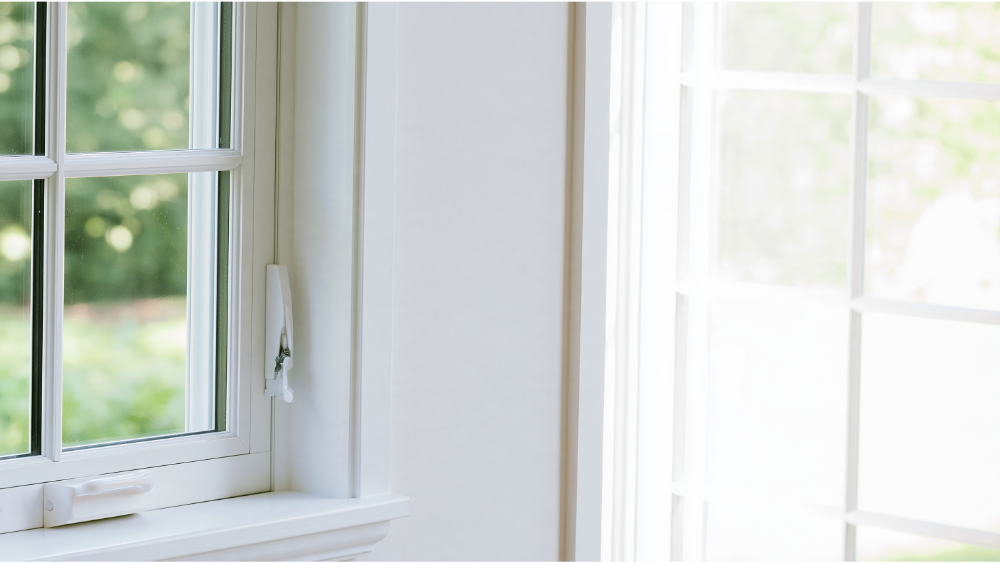
The sash is the framed panel that holds the glazing and sits within the stationary frame. It’s built from horizontal members called rails and vertical members called stiles, with the glass held between them. Operable sashes slide up, slide sideways, swing outward on hinges, or crank open. Fixed and picture windows can have a sash too, it just doesn’t move. That one component explains most of what goes wrong with a window later on.
Two corrections worth making early, because they cause most of the confusion:
- The sash is not just the glass. Glass alone is glazing. The sash is the glass plus the framework holding it.
- The sash is not the whole window, and it isn’t always movable.
[Image placement: labeled window diagram showing sash, frame, jamb, sill, rails, stiles, and meeting rail.]
Window Sash vs. Window Frame, Glass, and Sill
| Part | Moves? | Main job |
|---|---|---|
| Sash | Usually, but not always | Holds the glass and operates within the frame |
| Frame | No | Anchors the window to the wall and contains the sash |
| Glass / insulated glass unit | No independent movement | Provides the view and the thermal barrier |
| Sill | No | Bottom of the frame; sheds water away from the opening |
A failed sash and a failed frame lead to two very different projects with two very different price tags, so pinning down the failed part comes first.
What Are the Parts of a Window Sash?
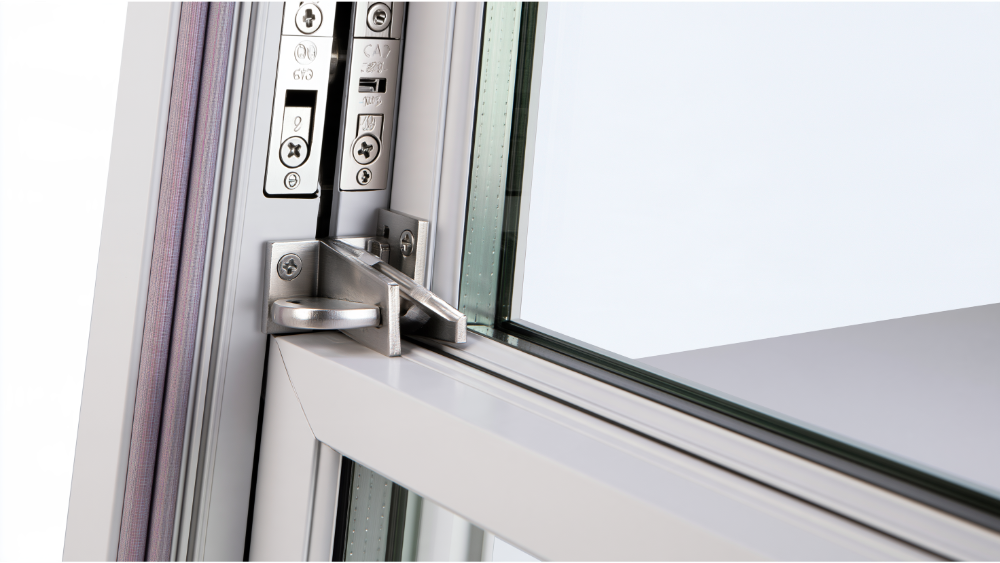
- Rails: the horizontal top and bottom members.
- Stiles: the vertical side members.
- Glazing: the single pane or insulated glass unit.
- Glazing bead or putty: holds the glass in the sash and seals its edge.
- Weatherstripping: compresses against the frame when the window closes.
- Lock hardware: mounted on the sash, often at the meeting rail.
- Muntins or grilles: decorative dividers, where the style calls for them.
One thing most explainers get wrong: balances, sash cords, rollers, hinges, and crank operators work with the sash, but they usually live in the jamb, track, or frame rather than in the sash itself.
Sash Materials: Wood, Aluminum, Fiberglass, and Vinyl
The material shapes how a sash wears and which repairs are realistic. Wood can be patched and re-glazed, but it needs sound paint to protect the joints. Aluminum conducts heat readily and usually shows condensation first. Vinyl sashes resist rot and moisture well, though a badly warped one is normally replaced rather than repaired. Most modern windows carry dual-pane insulated glass, so the sash holds more weight than the single panes in older homes.
How Does a Window Sash Work in Different Window Types?
The sash does the same job in every window. How it moves is what changes.
Single Hung and Double Hung Windows
On a single hung window, the lower sash slides vertically and the upper one stays fixed. A double hung has two sashes that both move, so you can vent from the top, and most current models tilt in for easy cleaning. Both rely on a balance system hidden in the jambs, and a worn balance is the most common failure in these sash windows.
Sliding Windows
A single slider has one moving sash; a double slider has two, both traveling side to side on rollers in a bottom track. That’s a simpler system than a hung window’s balances. Because the track collects grit, sliders are the style most often cured by a thorough cleaning.
Casement and Awning Windows
A casement sash swings outward on side hinges, driven by a crank operator, and an awning sash is hinged at the top and projects out at the bottom. Both seal tightly because the sash pulls against the weatherstripping as it closes, and both give you strong ventilation without inviting rain in.
Picture and Fixed Windows
Picture, geometric, and the fixed panels in bay, bow, and garden windows don’t open. The sash still holds the glass and still has seals that can fail, so a fixed window can leak or fog just like an operable one.
How the Sash Affects Comfort, Security, and Your Home’s Energy Efficiency
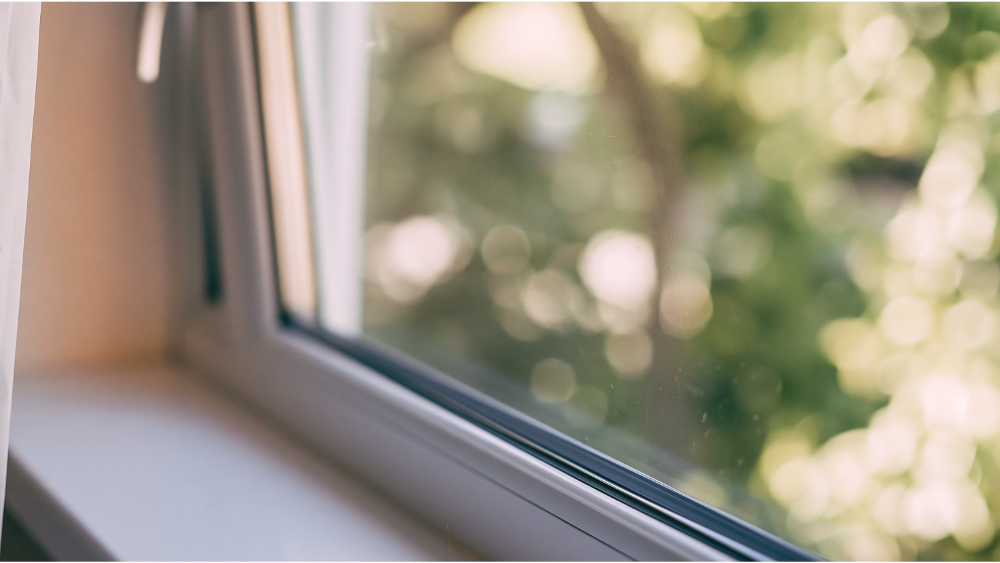
When a sash closes properly, it compresses the weatherstripping into a tight seal against the frame and limits air leaks and water intrusion. It also carries the lock, which pulls the sash tight and keeps the window secure. That’s where comfort, efficiency, and durability come from day to day, and it matters to your home’s energy efficiency. A sash that no longer seals lets conditioned air slip out, raising summer cooling and winter heating costs, and you feel it on your energy bills before you ever see the gap.
One caution: NFRC and Energy Star® performance is rated for a whole tested product. Repairing an old sash may improve how it feels, but it doesn’t make an old window Energy Star® certified.
What Are Some Common Problems With Sash Windows?
| Symptom | Likely source | First thing to inspect |
|---|---|---|
| Sash drops or won’t stay open | Broken balance, cord, or balance shoe | Jamb hardware, not the sash itself |
| Sash sticking or won’t close | Dirt, paint buildup, warped sash, out-of-square frame | Tracks, then whether the frame is still square |
| Draft at the sash edge | Worn weatherstripping or a lock that isn’t seating | Seal contact and lock alignment |
| Fog between the panes | Failed insulated glass edge seal | Whether the moisture wipes away (it won’t) |
| Water stains | Glazing seal, sash joint, flashing, sill, or rough opening | Above and beside the stain, not just at it |
The visible symptom does not always identify the failed component or the actual water entry point. That’s the most useful thing to know before anyone quotes you a replacement. The common reasons a window stops performing trace back to wear on moving parts that were always meant to be replaced, so inspect the sash and the opening around it from inside and out first.
The Sash Won’t Stay Open
Almost always a broken balance, cord, or counterweight. A sash that drops unexpectedly is a hardware failure, not proof the window is finished.
The Sash Sticks or Won’t Slide Shut
Dirt in the track, layers of old paint that block the sash, swollen wood, or a frame that has shifted out of square. Don’t force it, since forcing a bound sash cracks glass and breaks joints. If it binds at one corner only, the opening has likely moved.
Drafts and Gaps Around the Sash
Worn weatherstripping and misaligned locks are the usual causes, since compression seals lose their spring after years of wear and tear. Drafts felt around the trim, though, often come from the frame-to-wall connection, which new weatherstripping won’t fix.
Fog or Moisture Between the Glass Panes
Trapped moisture means the insulated glass unit’s edge seal has failed. That’s different from condensation on the room-side surface, which points to indoor humidity and cold glass.
Rot and Warping in Wooden Windows
The National Park Service identifies moisture as the leading cause of decay in wood windows, especially at joints, horizontal surfaces, and bottom rails where water collects. Failing paint and cracked glazing putty usually let it start, so inspect the bottom rail first.
Can a Window Sash Be Fixed?
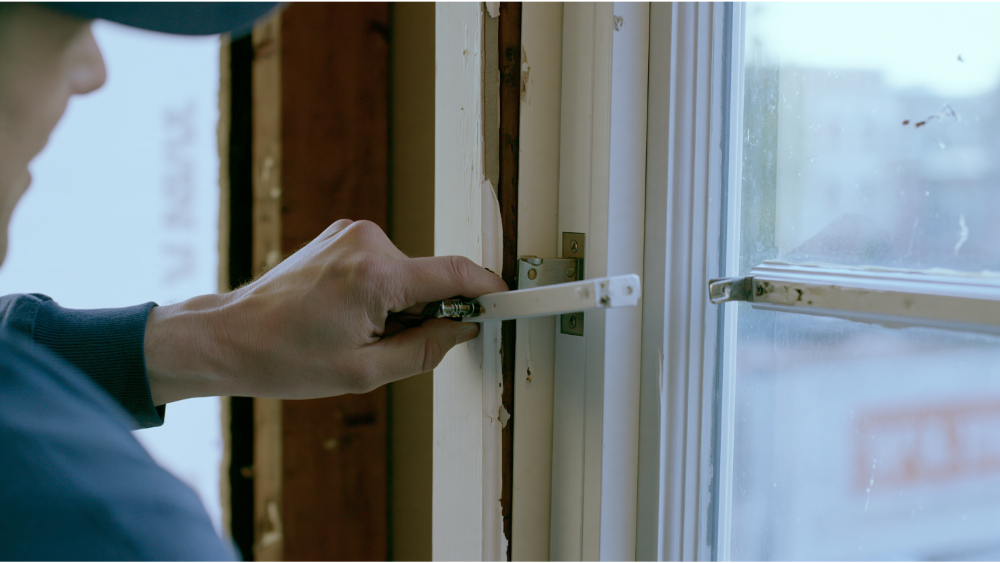
Start at the top of this list and stop as soon as the problem clears. In many cases regular maintenance is the whole fix. A seasonal pass to remove dirt from the tracks and weep holes keeps a window working smoothly, and a sash that sticks today can slide fine again in ten minutes.
- Clean the tracks and clear the weep holes so water can drain.
- Confirm the lock fully seats the sash against the weatherstripping.
- Replace worn weatherstripping with a compatible profile.
- Repair or replace balances, cords, rollers, hinges, or crank operators.
- Replace broken glass or a failed insulated glass unit within the existing sash.
- Patch small, localized wood damage with epoxy or wood filler.
- Replace the complete sash.
Be careful with heavy glass, balances under spring tension, and painted stops in older homes; those are worth handing to a professional. And never force a stuck sash to prove a point.
Sash-Only Replacement or a Full Window?
Sash-only replacement usually works when the outer frame is sound, square, dry, and properly tied into the wall, and the model, dimensions, hardware, and glass spec can all be matched, including how the new glass looks beside adjacent windows.
It usually doesn’t work when the window is old or unidentified and no compatible sash is still made, or when the real problem is failed flashing, frame rot, or a leak at the rough opening. A new sash won’t correct any of that.
Full replacement is the right call when the frame, sill, or flashing has deteriorated, the opening is out of square, several parts are failing at once, or you want a real performance upgrade. Proper diagnosis should always come before anyone quotes you a replacement, and that’s exactly what a free, no-obligation assessment is for.
What Northern California Homeowners Should Know Before Replacing a Sash
- Title 24: California’s 2025 Building Energy Efficiency Standards took effect January 1, 2026. Glass replaced within an existing sash and frame, or a sash replaced within an existing frame, counts as a repair when the replacement performs at least as well as the original.
- Climate zone: Sacramento sits in Climate Zone 12. General prescriptive maximums there are a U-factor of 0.27 and SHGC of 0.23, with an exception for replacement vertical fenestration totaling 75 square feet or less at U-factor 0.40 and SHGC 0.35.
- Permits: Sacramento County requires a permit for window replacement, and the City handles residential changeouts as a minor permit. Confirm with the building department for your address.
- Older homes: Pre-1978 houses fall under the EPA’s lead-safe Renovation, Repair and Painting rule, and historic districts may require preservation review.
- Bedrooms: A replacement window serving a bedroom must preserve the required emergency escape opening.
Treat those numbers as general references, not project-specific compliance.
What to Look For If You Replace the Entire Window
As mentioned earlier, ratings apply to the complete window, so compare labels product to product.
- The NFRC label: U-factor on a 0.20 to 1.20 range (lower is better), SHGC from 0 to 1, air leakage at 0.3 or less, and higher condensation resistance is better.
- Energy Star® certification. Version 7.0 has been the residential specification since October 23, 2023.
- Separate warranties on the glass and sash versus the installation labor.
- Proper flashing and air sealing at the rough opening, plus Title 24 compliance where it applies.
When full replacement is genuinely the better long-term path, we install factory-direct Anlin windows built for Northern California heat and code requirements.
Frequently Asked Questions
How much does a sash window repair cost?
It depends on the sash material, the glass package, whether replacement hardware is still available, and how far the damage extends. There’s no useful national figure, so a free estimate on your actual window is the only accurate answer.
Can a sash be fixed, or does the entire window have to go?
Many sash problems are repairable, especially hardware and weatherstripping failures. Full replacement makes sense when the frame, sill, or flashing has deteriorated or matching parts no longer exist.
Not Sure Which Part of Your Window Failed? Let’s Take a Look
We’ve spent 17+ years diagnosing sash windows across the Greater Sacramento area and the Bay Area, and the smallest effective fix is a perfectly good outcome. If replacement is the right call, our installations carry a 10-year labor warranty, and Anlin’s Limited Double Lifetime Warranty covers the vinyl, glass, hardware, and even accidental glass breakage. 0% APR financing is available OAC, with terms reviewed during your consultation.
Get A Free Estimate or Book Consultation, call us at (916) 202-2282, or start with our no-obligation online window cost estimator.