Key Takeaway
Window repair vs. replacement comes down to one question: is the frame structurally sound? Repair makes sense when the problem is isolated to hardware, weatherstripping, or a single pane with a solid frame still intact. Replace when frames are rotted or warped, water is getting in, multiple seals have failed, or windows are past their 20-to-30-year lifespan. A professional inspection of the whole window system prevents paying twice for the wrong fix.
Repair your windows when the problem is isolated, the frame is sound, and the window still opens, locks, and seals the way it should. Replace your windows when the damage is structural or widespread, when water is getting in, when the window won’t operate safely, or when it’s costing you comfort and energy month after month. That’s the honest answer, and it’s the one we give many homeowners every week here in Northern California. If you’re weighing a real window problem and you don’t want to throw money at the wrong fix, the smart move is to diagnose the whole window first, not just the part that’s bothering you. Sometimes a small window repair is all you need. Sometimes window replacement protects your home. This guide will help you tell the two apart.
First, Understand That a Window Is a System
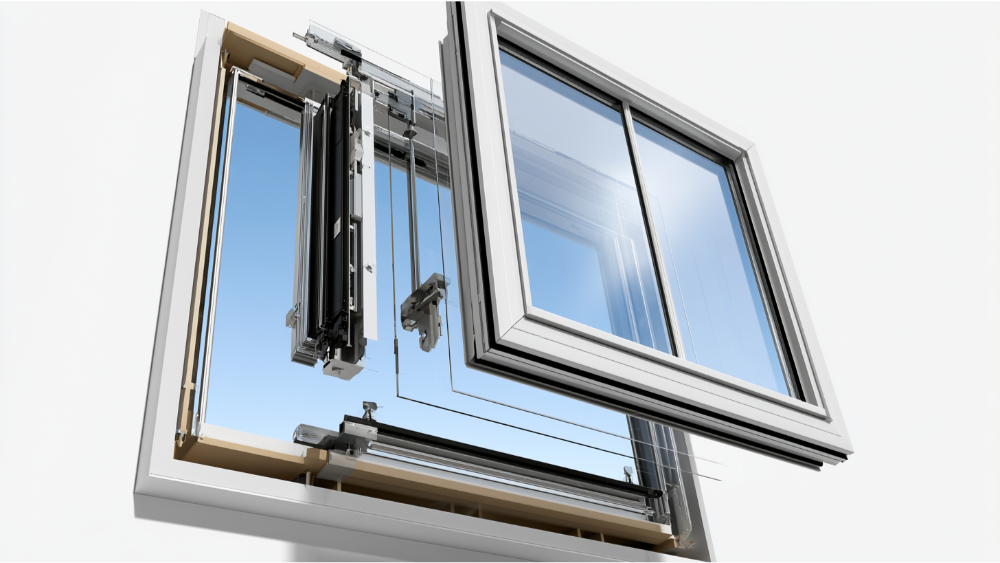
A window isn’t just a sheet of glass in a hole. It’s a set of parts working together, and the right call depends on which part failed and how many windows are affected.
- Glass and panes (single pane, double pane, or triple pane windows)
- Window frame that holds everything and ties into the wall
- Sash, the moving part that holds the glass, including older wood sashes
- Seal between insulated multi pane windows
- Hardware: locks, latches, balances, rollers
- Weatherstripping that blocks air
- Installation and the surrounding wall and flashing
A cracked or broken glass pane is a different situation than a rotted wood frame or failed flashing behind the wall. That’s why a professional inspection matters. Identifying the root cause keeps you from paying twice, and it keeps a small problem from turning into water damage you can’t see yet. We’d rather tell you a repair will do than sell you something you don’t need.
When Window Repair Makes Sense
Repair is often the smart, cost effective first move, especially on newer windows where the frame and seals are still in good shape. When you repair windows the right way, one fix can restore full function for years. Repair is usually the right call when:
- A latch, lock, or piece of hardware is broken
- Weatherstripping is worn and letting in a little air
- There’s a minor draft at the trim
- One pane is cracked or you have broken panes but the frame is sound
- A single sash is sticking or off its track
- You have historic wood windows worth preserving for their character
There’s a helpful nuance in California’s energy code here. Glass replaced inside an existing sound frame, or a sash swapped into an existing frame, can count as a repair rather than a full replacement, as long as the new component performs at least as well as the original. That distinction can affect permitting and requirements. One caution: repair costs less upfront but adds up over time. Patching hardware and reglazing an old window repeatedly, one fix after another, eventually costs more than replacing it. If you’re on your third repair for the same tired window, it may be time to run the numbers differently and compare ongoing repair costs against a one-time replacement cost.
When Replacing Your Windows Is the Better Call
Some problems mean the window has reached the end of its useful life, and no repair will bring it back. Replacing windows is usually the better long term value when you see:
- Rotting or warped frames that no longer hold shape
- Water intrusion, peeling paint, or water stains around the frame
- Drafts and cold spots that keep coming back after you’ve already sealed and repaired
- Failed seals across multiple windows, not just one
- Windows that won’t open, close, or lock reliably
- Poor comfort in summer heat or winter cold, and climbing energy bills from inefficient windows
- Age past roughly 20 years, since quality windows generally last 20 to 30
The safety piece deserves attention. A window that won’t open is more than an annoyance. Bedroom windows are an emergency exit, and a warped frame or seized hardware that traps a window shut is a genuine fire hazard. Difficulty opening usually points to frame damage or damaged windows and their hardware, and that’s not something to live with. When the frame itself is compromised or several old windows are failing at once, replacement done once and done right protects your home better than a string of patches ever will. Modern replacement windows also seal tighter and operate more smoothly than the tired units they replace.
Foggy or Failed-Seal Windows: Repair the Glass or Replace the Whole Window?
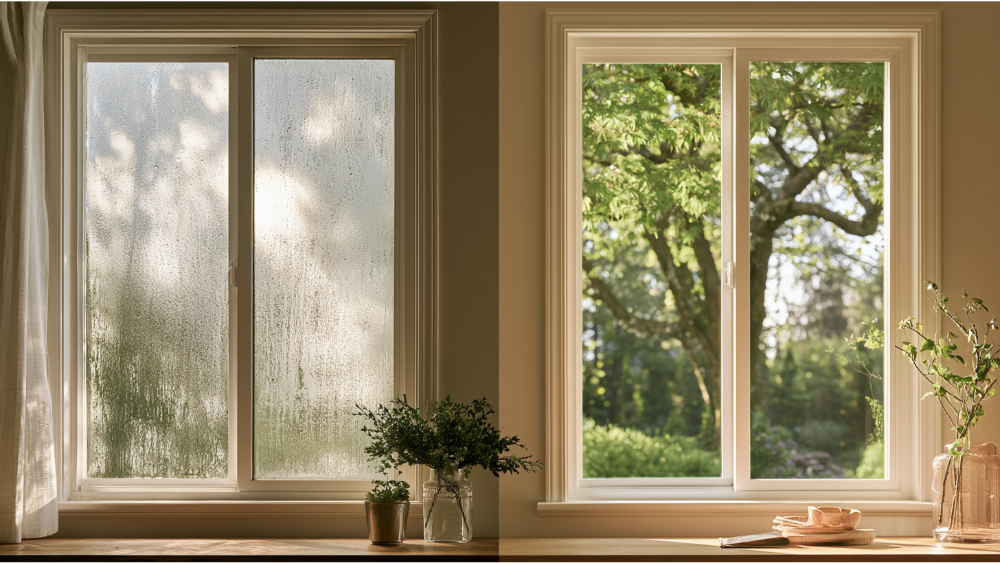
A foggy window, cloudy or moist between the panes where you can’t wipe it clean, means the insulated glass unit (IGU) seal has failed. This seal failure lets the insulating gas that gave the window its efficiency escape, and the glass has lost much of its insulating value. That’s different from surface condensation on the inside or outside of the glass, which is usually humidity or weather and not a defect at all.
Can it be fixed? Sometimes. If the frame and sash are sound, replacing just the glass unit may be possible and less disruptive than a full swap. But if the frame is failing too, or several windows are showing failed seals at the same time, that’s a pattern, and full replacement is usually the better call. Standard double pane windows typically last about 15 to 25 years, so multiple failures often mean the whole set is aging out together. Foggy glass is a big enough topic that it’s worth a closer look on its own, which we’ll cover in a separate guide.
Drafty Windows: Simple Fix or a Sign of Bigger Failure?
Not every draft means replacement. Plenty are fixable with fresh caulk, new weatherstripping, or air sealing around the trim, and those small steps can noticeably cut the air leaking in. That’s the reasonable first move on a window that’s otherwise in good shape.
A draft becomes a warning sign when it comes from frame movement, failing seals, or an old single pane window. Single pane windows are poor insulators by design, and they’re often better replaced than patched over and over. If your home still has single pane windows, replacing windows across the whole set usually delivers a bigger jump in comfort than any repair could. One more thing worth checking: even a high-quality window will feel drafty if it was installed poorly. Installation quality is part of the equation, which is why we treat the fit and seal as seriously as the window itself.
Will New Windows Actually Lower Your Energy Bills and Improve Energy Efficiency?
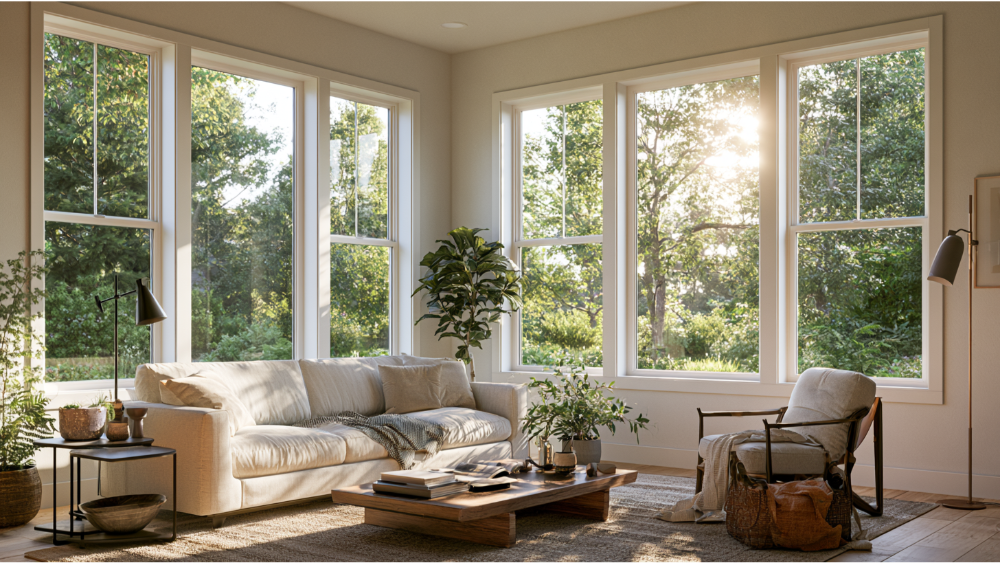
Yes, usually, though how much depends on your home. ENERGY STAR® reports that certified windows, doors, and skylights can cut heating and cooling energy bills by an average of up to 13% nationwide compared with non-certified products. That’s a national average, not a promise for your specific house, so treat any energy savings figure as a range and not a guarantee.
The bill is only part of it. Energy efficient windows steady out the temperature swings that make rooms feel drafty in winter and stuffy in summer, so your HVAC system and heating equipment isn’t fighting leaky glass all day and pushing your cooling costs up. New windows also add noise reduction and need little maintenance compared with old wood frames you have to scrape and repaint. Low e coatings on the glass reflect heat and keep cool air where you want it. The gain in comfort, efficiency, and durability is real, and the energy saved from careful installation is what locks it in. A great window installed carelessly won’t perform the way its label promises, so improved energy efficiency and lower energy bills come from the right product and the right fit together.
What Sacramento and Northern California Homeowners Should Know
Local rules shape what a replacement window has to do, and this is where working with a team that knows Northern California codes and climate pays off.
California’s 2025 Energy Code (Title 24) applies to building permit applications submitted on or after January 1, 2026. The state uses 16 climate zones, and fenestration requirements can depend on where you are. Sacramento generally falls in Climate Zone 12, though it’s smart to verify by address since a ZIP code can cross zones. There’s an alteration exception worth knowing: replacement vertical windows of no more than 75 square feet must meet a U-factor of 0.40 or lower in Zones 1 through 16, and a Solar Heat Gain Coefficient of 0.35 or lower in a group of zones that includes Sacramento’s Zone 12.
A few practical points:
- Permits: Sacramento requires a window/door permit application, with like-for-like exemptions available for some non-historic work.
- Egress: Bedroom windows generally need a minimum net clear opening of 5.7 sq. ft. (5.0 at grade-floor level), at least 24 inches of opening height, 20 inches of width, and a sill no more than 44 inches off the floor. Never let a replacement drop egress below safe minimums.
- Pre-1978 homes: The EPA’s Renovation, Repair and Painting Rule always covers window replacement, regardless of square footage, so the firm doing the work must be lead-safe certified where lead paint may be present.
What to Look for in Replacement Windows (and How to Read the Label)
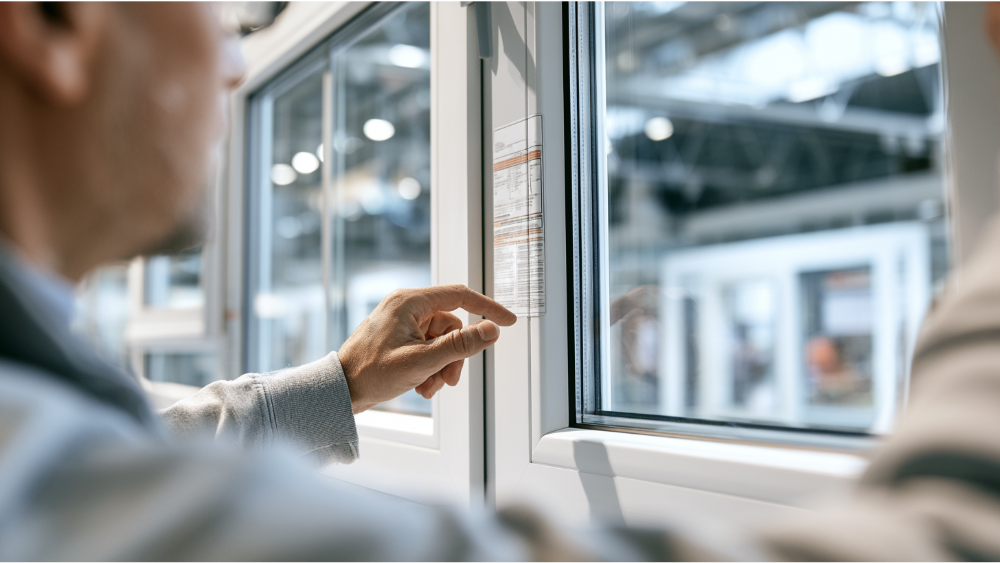
Most window labels come from the NFRC, and most homeowners have never had them explained. Here’s the plain version:
- U-factor: how fast heat escapes, a measure of heat loss. Lower is better. Typical range is 0.25 to 1.25.
- SHGC: how much solar heat gets in, on a 0 to 1 scale. Lower means less heat, which matters for hot Sacramento summers.
- Air Leakage: air passing through the window. Most codes require about 0.3 cfm/ft² or lower.
- Visible Transmittance: how much daylight comes through. Higher means brighter rooms.
- Condensation Resistance: scored 0 to 100. Higher resists fogging better.
Look for products with tempered glass where safety codes require it, since it resists breakage. Current ENERGY STAR® criteria took effect October 23, 2023, so look for ENERGY STAR® certified and Title 24 compliant products. Two warranties matter, and they’re not the same thing. The manufacturer warranty covers the product, and the labor warranty covers the installation. We’re direct, factory-direct representatives for Anlin vinyl windows, which carry the Anlin Double Lifetime Warranty on the vinyl, glass, hardware, and even accidental glass breakage. Separately, Elevate backs every installation with a 10-year labor warranty. Modern replacement windows also lift your home’s curb appeal and give a strong return when it’s time to sell, all while improving the energy efficiency of your home.
Repair vs Replacement: A Quick Decision Checklist for Repair Costs and Curb Appeal
| If you see this | Likely call | What it usually means |
|---|---|---|
| One broken lock | Repair | Isolated hardware issue, frame still sound |
| Minor draft at the trim | Repair or air sealing | Caulk or weatherstripping refresh |
| One cracked pane, sound frame | Glass repair may work | Glass swap without a full unit change |
| Fog between panes, frame sound | Glass/IGU replacement may work | Failed seal, not a frame failure |
| Rotten or warped wood frame | Replacement | Structural damage past the point of repair |
| Water stains or peeling paint around frame | Replacement assessment | Possible water intrusion behind the wall |
| Multiple old windows, drafty single pane | Replacement likely | Whole set aging out together |
| Window won’t lock or open | Repair or replace, depending on cause | Could be hardware or a warped frame |
| Reduced bedroom egress | Code review required | Safety and permit compliance at stake |
A professional inspection from qualified technicians confirms the call, so you’re never guessing about whether to repair windows or replace them.
How Elevate Makes the Decision Simple and Stress-Free
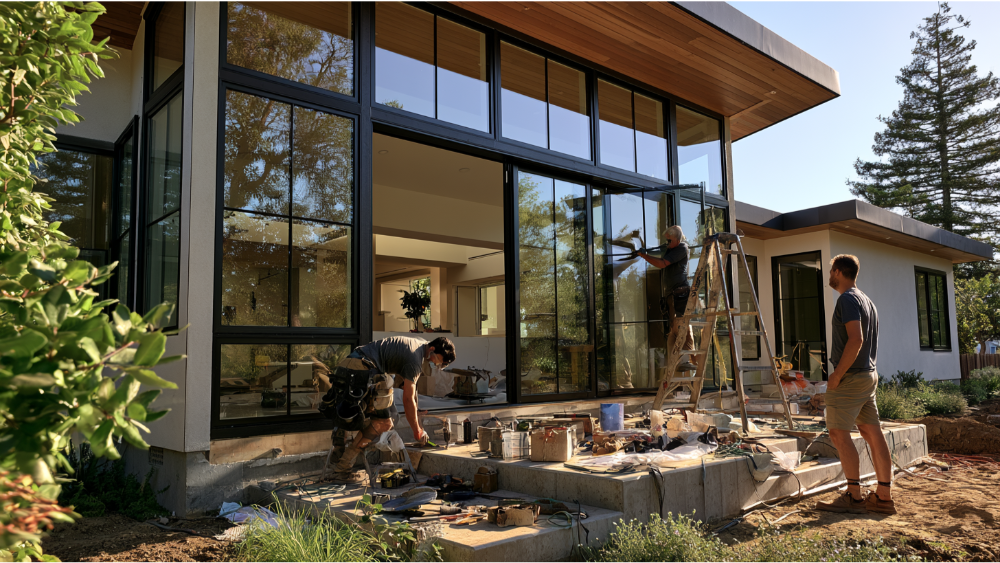
Our process is built to take the pressure off. It starts with a free, no-obligation consultation and honest expert guidance, which means we’ll tell you when a window repair is the cost effective solution. From there you get a clear written quote with no surprises, so the replacement cost is spelled out before any work begins. When replacing your windows is the smart move, we install factory-direct Anlin windows, choosing ENERGY STAR® certified and Title 24 compliant products where they apply to your project. Most installations wrap in one to two days, and we handle the cleanup and a final walkthrough so your home is left the way you’d want it. Every project is backed by the Anlin Double Lifetime Warranty on the windows and our own 10-year labor warranty on the work. And because quality shouldn’t be out of reach, we offer 0% APR financing, OAC, with terms reviewed during your consultation.
Frequently Asked Questions
Is it better to repair or replace your current windows?
Repair when the problem is isolated and the frame is sound. Replace when damage is structural, widespread, water-related, unsafe, or when your existing windows no longer hold comfort and energy efficiency.
Can I replace just the glass instead of the whole window?
Often yes, if the window frame and sash are still in good shape. If the frame is failing or several windows are affected, full replacement is usually the better value and saves money over time.
Are foggy windows always a sign I need replacement?
No. Fog between the double pane means a failed seal, but if the frame is sound, replacing the glass unit may be enough. Multiple failing windows usually point to replacement.
Do I need a permit to replace windows in Sacramento?
Usually yes. The city requires a window/door permit application, with like-for-like exemptions for some non-historic work. Bedroom windows must also meet egress requirements.
What window ratings matter most in Northern California?
U-factor and SHGC matter most here. A low SHGC keeps out summer solar heat, and ENERGY STAR® certified, Title 24 compliant products help meet code and deliver improved energy efficiency and lower energy bills.
Ready to find out which call is right for your home? Get a free estimate, book a consultation, or call us at (916) 202-2282. You can also start with our online window cost estimator whenever you’re ready.