How Long Should Modern Replacement Windows Last?
If you are asking how long should modern replacement windows last, the honest answer is this, most windows are built to deliver 20 to 30 years of solid performance. That said, lifespan is not just about time. It is about how well your windows hold up, how they perform, and when they stop delivering comfort and efficiency. For many homeowners, the real question is not when windows break completely, it is when they stop working the way they should. If your current setup is starting to feel off, this may sound familiar. Drafts, rising energy bills, or windows that no longer function properly often point to one conclusion, it may be time to replace your windows. At Elevate Construction Group, we help homeowners evaluate their home windows and make smart, long term decisions that improve comfort, energy efficiency, and home value.
What Is the Average Lifespan of Replacement Windows?
The Standard Lifespan Range
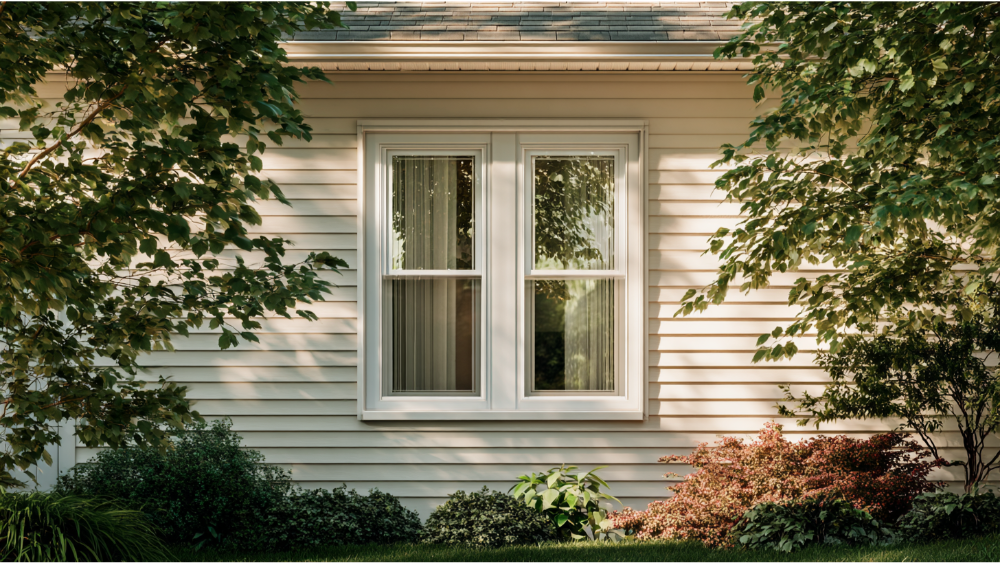
Most windows installed today fall into the 20 to 30 year range. This includes vinyl windows, modern double pane windows, and other replacement windows designed for durability. However, even high quality windows will begin to show signs of wear before they fully fail. Over time, energy efficiency declines, seals weaken, and operation becomes less smooth. That means the functional lifespan is often shorter than the total lifespan. Many homeowners wait until old windows break completely, but the smarter move is to replace your windows when performance starts to drop. That is when you protect your home’s energy performance and avoid larger issues.
Why Some Windows Fail Earlier
There are several key factors that can shorten lifespan. Poor installation is one of the biggest. If windows are not professionally installed, they can develop air leaks, allow outside air in, and struggle to maintain an air tight seal. Ineffectively sealed windows often lead to moisture issues and early failure. Lower quality materials also play a role. Inexpensive windows lack insulation and are more likely to warp, crack, or degrade. Climate matters too. Midwest homes face humid air, freezing winters, and strong seasonal swings that put stress on materials.
Why Some Windows Last Longer
On the other hand, high quality windows that are professionally installed can last well beyond expectations. Materials like fiberglass and well maintained vinyl windows hold up better over time. When windows are installed correctly, they protect temperature controlled air inside your home and reduce strain on your hvac system. This leads to real energy savings and long term cost savings.
Window Lifespan by Material, What Lasts the Longest?
Vinyl Windows
Vinyl windows are one of the most common choices for homeowners. They typically last 20 to 30 years and offer strong durability with minimal maintenance. Well maintained vinyl windows resist moisture and help maintain an air tight seal. However, lower grade vinyl can fade or warp over time, especially under solar heat exposure.
Fiberglass Windows
Fiberglass windows often last 30 to 50 years. They are extremely durable and help maintain improved energy efficiency. These windows expand and contract less, which helps prevent window seals degrade issues and reduces air leaks.
Wood Windows
Wood windows offer classic style and strong insulation. With proper care, wood windows can last 20 to 30 years or longer. However, they require ongoing upkeep. Without maintenance, issues like peeling paint and moisture damage can shorten lifespan.
Aluminum Windows
Aluminum windows typically last 15 to 20 years. While they are strong, they are less energy efficient than other options. Aluminum windows typically allow more heat transfer, which can affect comfort inside your home.
7 Key Factors That Impact How Long Your Windows Last
1 | Installation Quality
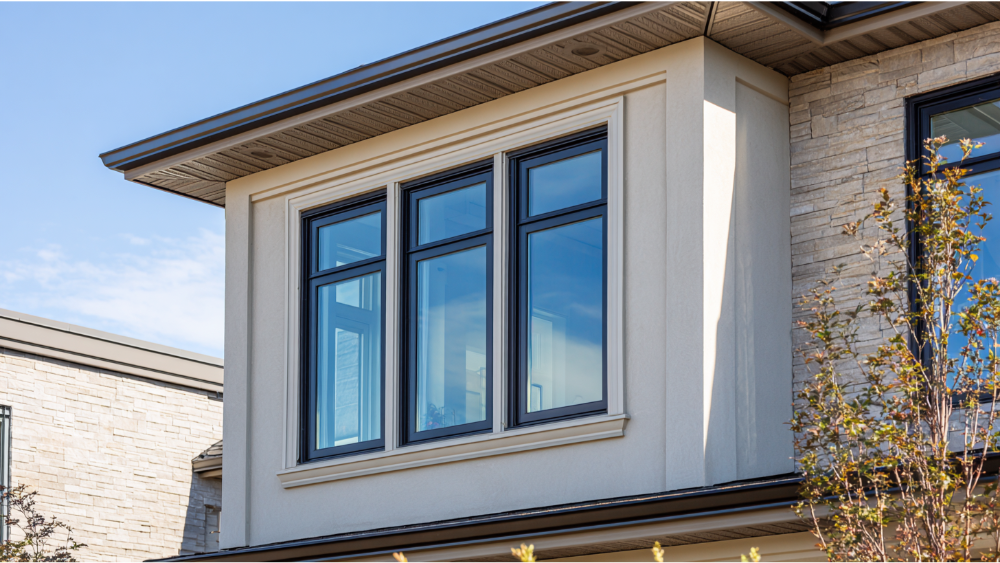
Installation is one of the most important key factors in window lifespan. Even high quality windows can fail early if they are not professionally installed. A proper installation ensures an air tight seal and prevents air leaks.
2 | Climate and Weather Exposure
Homes exposed to humid air, freezing temperatures, and strong solar heat will see faster wear. These conditions can cause window seals typically weaken over time.
3 | Window Material and Build Quality
The window’s frame significantly impacts durability. Higher quality materials last longer and perform better over time.
4 | Maintenance and Care
Homeowners should clean frames regularly and windows inspect seals to catch issues early. This helps ensure smooth operation.
5 | Glass Seal Integrity
Window seals degrade as windows age. When this happens, insulating gas escapes and windows condensation becomes visible. If you notice condensation, it is a clear sign that windows need to be replaced.
6 | Usage and Wear
Frequently used windows, like double hung windows, experience more wear. The window sash and hardware can wear down, leading to stuck locks and poor performance.
7 | Manufacturer Quality and Warranty
Stronger warranties usually indicate better products. High quality windows often last longer and perform better.
Signs It Is Time to Replace Your Windows
Drafty Windows and Air Leaks
Drafty windows are one of the most obvious sign that it is time to replace your windows. They allow outside air in and let temperature controlled air inside escape.
Condensation Between Glass Panes
If you notice condensation inside the glass, your window seals have failed. Modern double pane windows and modern double systems rely on insulating gas for performance.
Difficulty Opening or Closing
Windows should function properly. If you are dealing with stuck locks or hardware issues, it may be time to replace your windows.
Visible Damage or Rot
A damaged window or damaged window fixed incorrectly can lead to bigger issues. Cracks, warping, and rot are clear signs.
Rising Energy Bills
Old windows often cause rising energy bills because your hvac system and hvac unit must work harder.
Outside Noise Getting Louder
Modern windows and triple pane windows help dampen sound. If outside noise is increasing, your windows may be failing. If this sounds familiar, it is time to replace your windows.
How to Make Your Replacement Windows Last Longer
Choose the Right Material for Your Home
Choose materials that fit your climate and needs. Vinyl windows, fiberglass, and modern windows are strong options.
Invest in Professional Installation
Professionally installed windows perform better and last longer. This prevents air leaks and ensures an air tight seal.
Perform Simple Routine Maintenance
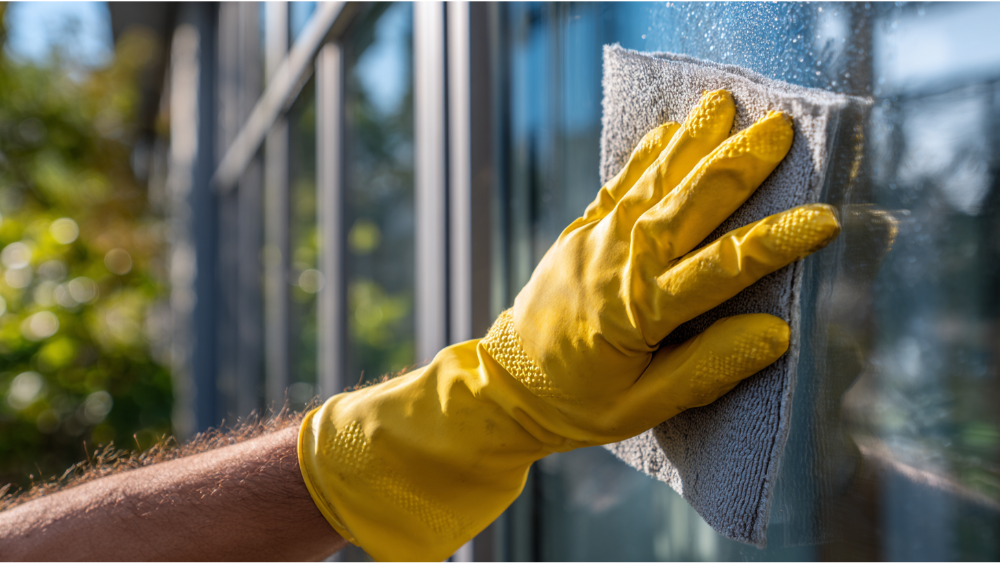
Clean frames regularly and check for issues. This helps ensure smooth operation and extends lifespan.
Address Small Issues Early
If you notice condensation, drafts, or wear, address it early before problems grow.
Upgrade to Energy Efficient Glass Packages
Features like low e glass and triple pane windows improve insulation, reduce solar heat, and support energy efficiency.
Repair vs Replacement, When Should You Upgrade?
When Repairs Make Sense
A single damaged window may be repairable. A damaged window fixed early can extend usability.
When Replacement Is the Better Investment
If your old windows are failing or no longer energy efficient, it is smarter to replace your windows. New windows improve comfort and offers cost savings over time.
Cost vs Long Term Value
Window replacement improves home value, reduces maintenance, and delivers energy savings across your entire home.
Are New Windows Worth It After 20 Years?
Energy Efficiency Improvements in Modern Windows
Modern windows are built to improve energy efficiency and reduce heat transfer. This protects temperature controlled air inside your home.
Comfort and Indoor Climate Benefits
New windows reduce air leaks and help your hvac system maintain stable temperatures.
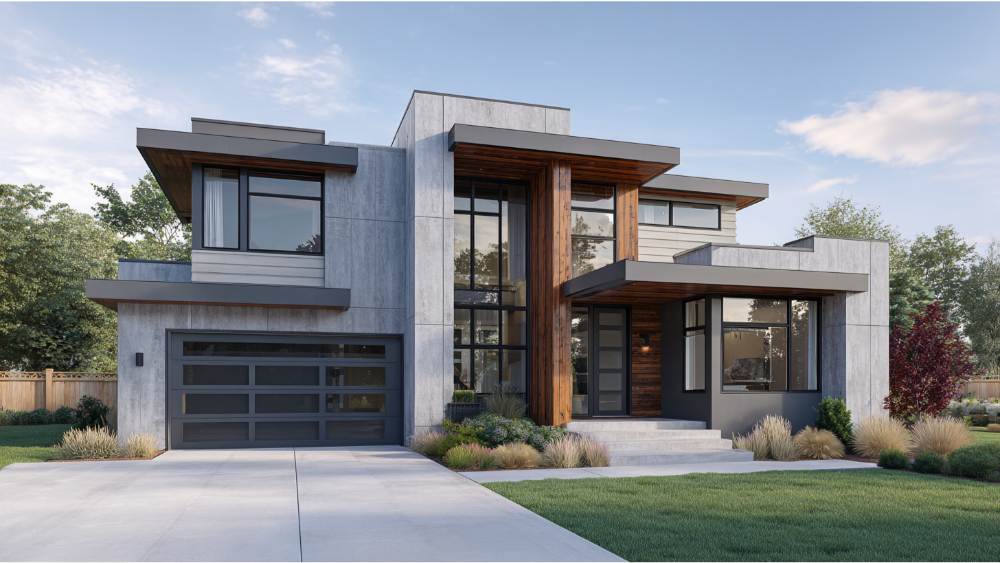
Increased Home Value and Curb Appeal
New windows improve curb appeal and increase home value. Upgraded home windows make your property more attractive.
Reduced Maintenance Needs
Modern materials require less upkeep than wood windows and older systems.
FAQs About Replacement Window Lifespan
How often should windows be replaced?
Most windows need to be replaced every 20 to 30 years.
Do expensive windows last longer?
High quality windows typically last longer and perform better.
What type of windows last the longest?
Fiberglass and premium vinyl windows are among the longest lasting.
Can windows last 40 years?
Some can, but most will lose efficiency before that point.
How do I know if my windows are failing?
Look for drafty windows, condensation, air leaks, and rising energy bills.
Does installation really affect lifespan?
Yes, installation is one of the most important key factors.
Should I replace all windows at once?
Replacing all windows at once can reduce installation labor fees and improve consistency.
Final Thoughts, How Long Should You Expect Your Windows to Last?
Modern replacement windows are built for durability, but performance matters most. Most windows last 20 to 30 years, but several key factors influence that timeline. If your old windows are showing signs of wear, it may be time to replace your windows. Waiting too long allows air leaks, inefficiency, and discomfort to grow. When you replace your windows with high quality windows that are professionally installed, you improve energy efficiency, protect your home, and increase curb appeal. Elevate Construction Group delivers expert window replacement and door replacement services that improve your entire home. If you are unsure about your current windows health or wondering if your original windows need to be replaced, our team is ready to help. Get your free estimate today watch how replacement windows can transform your home with better comfort, improved energy efficiency, and long lasting curb appeal.