Key Takeaway
A casement window is hinged on one side and swings outward like a door, operated by a crank that forms a tight compression seal when closed. This design delivers close to 100% airflow, outperforming double hung windows that open only about halfway. Casement windows can last 30 to 40 years and suit kitchens, bathrooms, and bedrooms where ventilation and clear views matter most.
A casement window is hinged on one side and swings open outward like a door, opened and closed with a crank. Because the entire sash pivots open, this window type lets in more fresh air than most other window styles. If you’re comparing options for a replacement project, this guide on what is a casement window pros cons and best uses gives you a balanced look so you can choose with confidence.
How Do Casement Windows Work? A Look at the Crank Mechanism
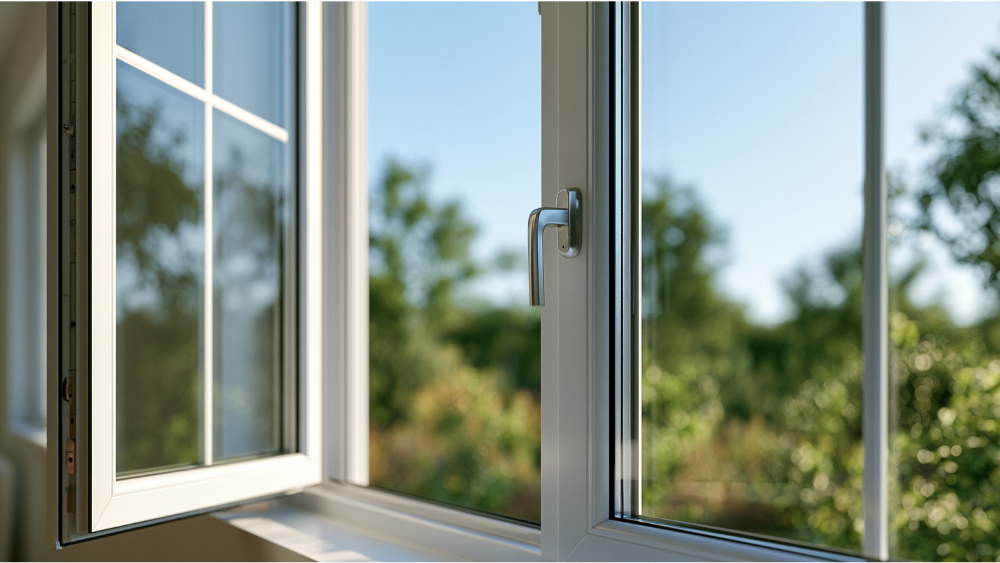
The design is refreshingly simple. A single sash sits inside the frame, hinged along one side. You turn a crank handle (also called an operator), and the sash swings outward. This crank mechanism secures the window shut with a small lock and takes very little physical effort, which is part of the appeal. Casement windows open outward, so the whole pane clears the frame.
When you close a casement, the sash presses firmly against the frame and forms a compression seal. That tight fit is why casements resist drafts so well. A couple of details worth knowing: the screen sits on the inside since the glass swings out, and there’s no center rail dividing the pane, so your view stays clear. A french casement takes this further, pairing two hinged sashes that meet in the middle with no post between them for an even wider opening.
Pros of Casement Windows: Better Ventilation and Energy Savings
Casement windows earn their popularity by tying good looks to real, everyday comfort. Here is why so many homeowners find casement windows good for both airflow and energy savings. These are some of the biggest benefits of the style.
- Maximum ventilation. Because the sash opens completely, a casement can catch nearly 100% of the available breeze for maximum airflow. A double hung window, by comparison, only opens about halfway, so its ventilation is limited.
- A tight seal. The compression fit keeps the sash tight against the frame, holding conditioned air in and hot air out, which supports better energy efficiency and real energy savings on cooling costs.
- Unobstructed views and curb appeal. With no center rail, you get clean sightlines and plenty of natural light. Modern casement windows suit contemporary and traditional homes alike.
- Easy operation. The crank mechanism makes casements ideal for hard-to-reach spots and upper floors where reaching up to lift a sash would be awkward.
- Strong security. Multi-point locking systems embed hook-shaped locks into the frame, making a locked casement harder to force open than a sliding window. That added security is a real draw.
- Long, low maintenance service life. Well-built casement windows can last 30 to 40 years, and they pair beautifully with fixed picture windows for a larger design.
Cons of Casement Windows
No window type is perfect for every opening. Here’s where the cons of casement windows ask something of you.
- Swing clearance. Because the sash swings outward, it can interfere with walkways, patios, and landscaping if placed poorly, which matters near a narrow side yard.
- Hardware maintenance. The crank mechanism benefits from a little lubrication every few years. Skip it, and cranks can fail after 10 to 15 years of use.
- Window A/C limits. A standard window air conditioner doesn’t fit a casement well, so plan for another cooling option.
- Interior screens. Some homeowners simply prefer screens on the outside, and casement screens mount indoors.
- Size limits. Very heavy sashes strain the hinges, so large openings may not work for a single hinged sash.
- Wind exposure. Leaving a casement fully opened in a storm risks damage, so close it up when weather turns.
Quality frame materials like durable vinyl or fiberglass resist warping better than thin, hollow builds, which keeps the hinged sash operating smoothly over time. For anyone with limited mobility, the easy crank can actually be a big deal in day-to-day use.
Best Places to Use Casement Windows
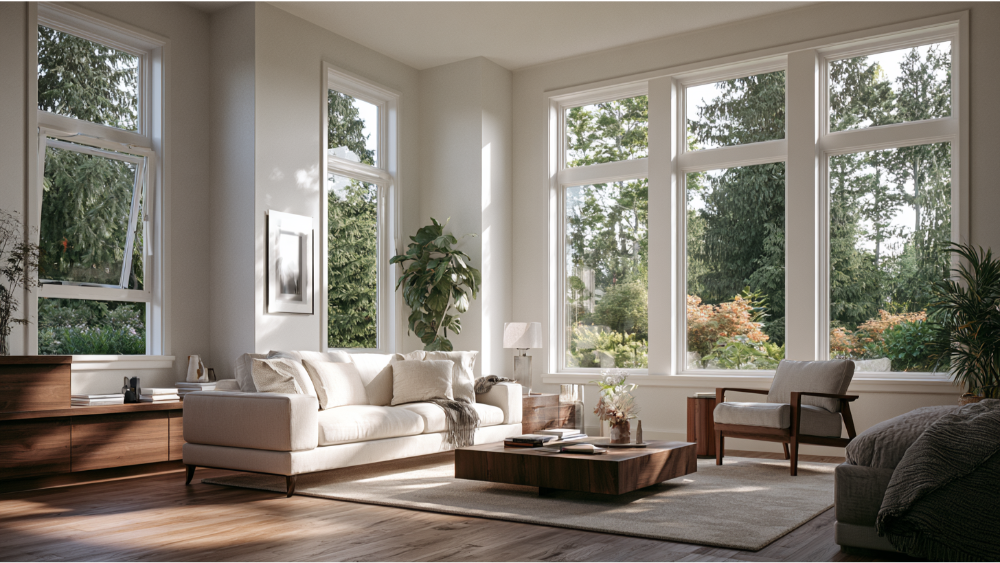
Casement windows shine wherever airflow, easy reach, or a clean view matters most.
- Over the kitchen sink and counters. The crank is easy to reach across a counter, no leaning or lifting required.
- Bathrooms and laundry rooms. The strong ventilation of a casement helps clear steam and humid air from bathrooms fast.
- Bedrooms. A great fit, as long as the opening meets egress requirements (more on that below).
- Living rooms. When the view is the star, casement windows deliver unobstructed glass.
- Tall, narrow openings. Casement windows suit these proportions naturally, and a french casement fills wider spans.
- Rooms that need a cross-breeze. Because casements swing outward, they can catch side breezes that pass by a flat-opening window and push extra ventilation indoors.
Where Casement Windows May Not Be the Best Fit
Skip casement windows where the outward swing gets in the way. Think tight side yards, patios, and walkways where an open sash would block the path or catch on shrubs. They’re also not the right call if you rely on a standard window air conditioner. And for very wide openings, sliding windows or a combination unit often make more sense.
Casement vs. Double Hung Windows and Other Styles
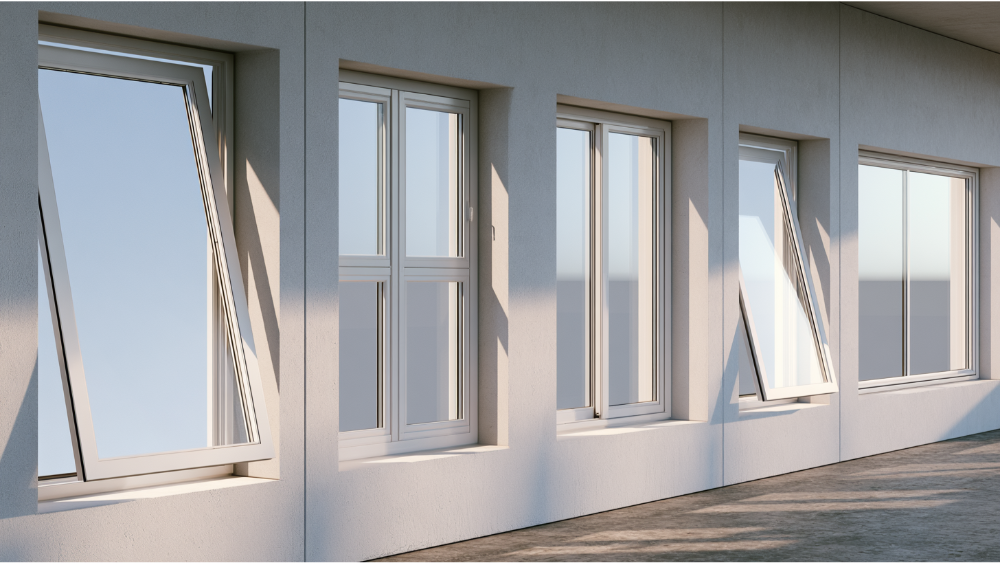
Casements open fully for close to 100% airflow, while a double hung window tops out around 50%. Their compression seal also gives them an edge in energy efficiency over sliding and double hung windows, which tend to leak more air. Here’s how the common window types compare.
| Style | Ventilation | Seal / air leakage | View | Clearance needed | Egress potential | Maintenance |
|---|---|---|---|---|---|---|
| Casement | Excellent (full) | Tight seal, low leakage | Clear, no center rail | Exterior swing space | Good, if sized right | Occasional crank care |
| Awning | Good | Tight seal, low leakage | Good | Exterior swing space | Limited | Occasional crank care |
| Sliding | Partial (about 50%) | More air leakage | Good | None | Possible | Track cleaning |
| Double hung | Partial (about 50%) | More air leakage | Divided by rail | None | Possible | Moderate |
| Picture | None (fixed) | Excellent (sealed) | Best | None | None | Minimal |
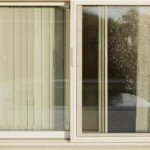
Sliding windows glide side to side on a track and never need swing space, which is why they suit tight exterior spots. Double hung windows offer two operable sashes and a classic traditional look, but the shared meeting rail divides the view and both styles let in more air than a casement. Screens on sliding windows and double hung windows mount on the exterior, another difference from the interior screens on a casement.
Are Casement Windows Energy Efficient?
Yes, and the reason comes down to that compression seal. When you close a casement, the sash squeezes against the frame and cuts down on the air leakage and energy loss common in sliding windows. Less leaked air means fewer drafts, a more energy efficient home, and steadier indoor temperatures, which is the core of a casement’s energy efficiency.
When you shop, read the NFRC label rather than relying on where a window world of options starts. A few numbers matter: U-factor measures insulation (lower is better), SHGC measures solar heat gain (lower keeps more heat out), air leakage measures air-tightness, and VT measures visible light. Energy Star® certified windows must hold air leakage to 0.3 cfm/ft² or less. Pairing a casement’s seal with the right glass, like a low U-factor triple pane glass package, adds up to real comfort and steadier heating and cooling in a demanding climate. ENERGY STAR estimates that replacing old single-pane windows with certified ones can lower household energy bills by up to 13% on average nationwide. That’s a national average, not a guaranteed number for your home, but it points to the energy savings the right window can deliver.
What Northern California Homeowners Should Know
Title 24 and Sacramento’s Climate Zone 12
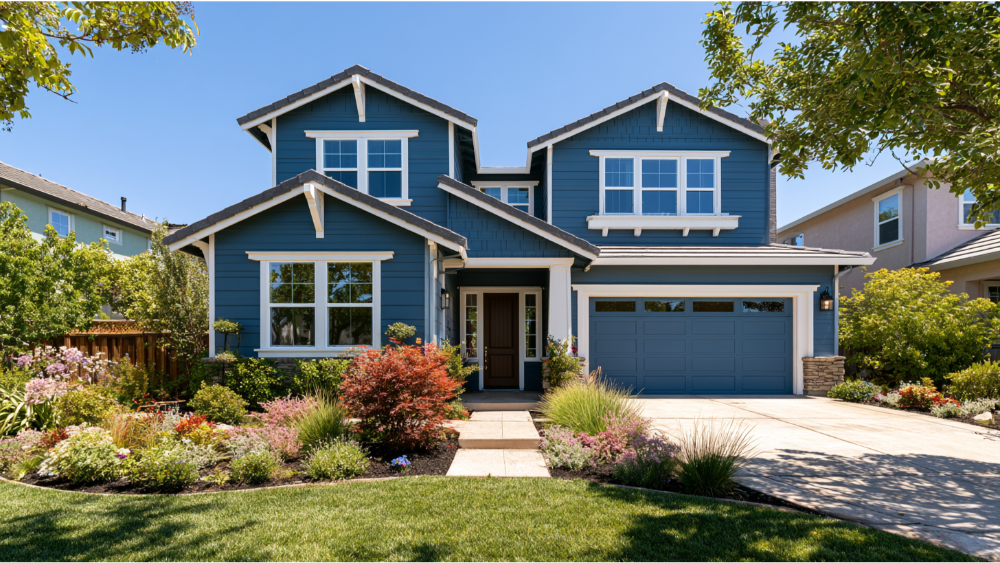
California’s 2025 Energy Code applies to projects with permit applications submitted on or after January 1, 2026. Sacramento sits in Climate Zone 12, where the prescriptive maximum window assembly U-factor is generally 0.27, with an SHGC around 0.23 for many prescriptive replacement scenarios. These figures shift by code cycle, so confirm current requirements with your contractor or building department before work begins.
Permits, Egress, and Older Homes
Sacramento County has required permits for window replacement since January 1, 2010, and rules vary by jurisdiction, so check yours. If a casement serves as a bedroom’s emergency exit, sizing matters: emergency escape openings commonly need 5.7 sq. ft. of net clear opening (5.0 sq. ft. at grade floor), a minimum height of 24 inches, a minimum width of 20 inches, and a sill no more than 44 inches above the floor. Not every casement qualifies. And if your home was built before 1978, ask how the installer handles EPA lead-safe (RRP) work practices.
Are Casement Windows Right for Your Home?
Run through this quick checklist to reach a final decision without the stress:
- Do you want better ventilation and a clear, uninterrupted view?
- Is there exterior clearance for the sash to swing open?
- Is the window in a bedroom that needs to meet egress rules?
- Do you rely on a standard window air conditioner?
- Is energy efficiency a top priority?
- Was your home built before 1978?
Why Professional Installation Matters
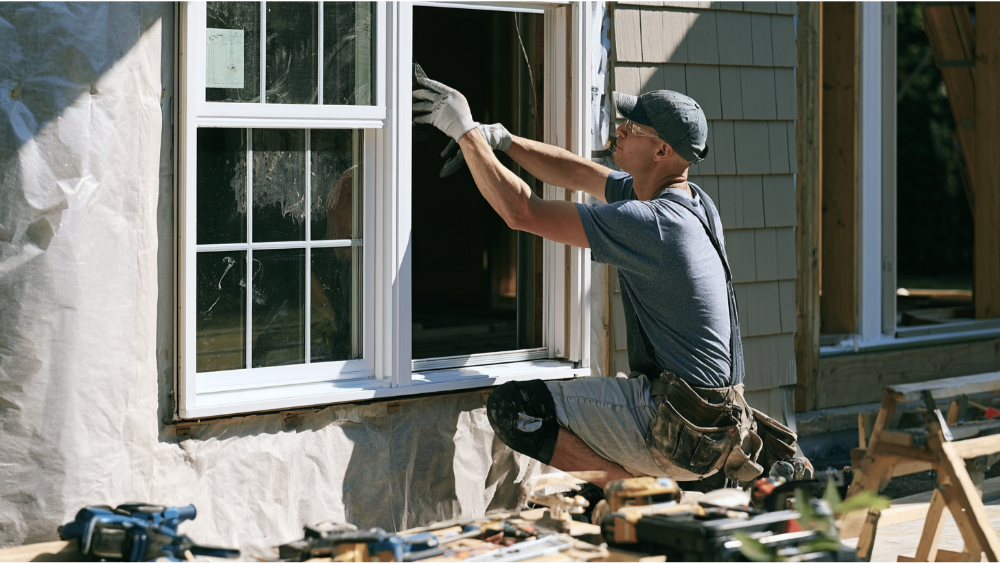
A casement window only performs as well as its installation. Precise measurements, a proper fit, weatherproof sealing, code compliance, thorough cleanup, and a final walkthrough all decide whether you get a tight seal that keeps drafts out for decades. That’s where we come in. Elevate Construction & Window Installation brings 17+ years of experience and a skilled installation team, working factory-direct with Anlin windows that include Energy Star® certified and Title 24 compliant options. We install doors too, so a casement project and a new entry door can be handled together.
Your coverage comes in two parts. Elevate backs every installation with a 10-year workmanship warranty, while your Anlin products carry the Anlin Limited Double Lifetime Warranty covering vinyl, glass, hardware, and accidental glass breakage. As one example, the Anlin Coronado casement lists NFRC U-factors of 0.24 to 0.27 and SHGC values of 0.11 to 0.17 depending on the glass package. Those are product-specific figures, not universal casement numbers.
Frequently Asked Questions
What are common problems with casement windows?
The most common issues involve crank mechanism and hinge wear over 10 to 15 years. A little lubrication every few years keeps the hardware working smoothly and prevents most failures.
What are the disadvantages of casement windows?
They need exterior swing clearance, they don’t fit standard window air conditioners, and the crank hardware needs occasional maintenance. For most homeowners, these are minor trade-offs for the strong ventilation and tight seal.
Are casement windows still popular?
Yes. They suit both modern and traditional homes, and many homeowners value them for strong airflow and clear, rail-free views.
Which is better, casement or sliding windows?
It depends on your opening. Casements seal tighter and ventilate better, while sliding windows work well where exterior space is tight and swing clearance is limited.
How do casement windows compare to double hung windows?
Casements open fully and seal against the frame, while double hung windows open about halfway and have a center rail. If ventilation and energy efficiency lead your list, the casement usually wins.
Are casement windows good for Sacramento homes?
They can be. The tight seal and Title 24-aware glass options help manage summer heat and keep rooms comfortable.
Get a Free Quote on Casement Windows
The right window type should make your home easier to live in, not just better to look at. If casement windows sound like a fit, we’ll help you confirm it. Start with our online window cost estimator, or request a no-obligation free estimate and let’s talk options, including 0% APR financing (OAC). Serving Sacramento and Northern California, we’re happy to put together a free quote for your project. Prefer to talk it through? Call us at (916) 202-2282.