Key Takeaway
Double hung windows feature two operable sashes that both slide vertically, giving homeowners flexible ventilation, easy tilt-in cleaning, and a classic style that fits nearly any architecture. Costs vary widely, from a few hundred to a few thousand dollars per window, depending on frame material, glass package, and installation method. Energy Star certified double hung windows can cut heating and cooling costs by up to 13% compared to non-certified products.
A double hung window has two operable sashes, which means both the top and bottom sections open. That gives you flexible ventilation and easier cleaning that a fixed or single hung window can’t match. If you’re comparing window styles before you request a quote, this guide covers double hung windows benefits features and cost factors so you can make a confident call. Double hung windows stay popular with homeowners because they carry a classic look while modern units deliver energy efficient performance. We’ll keep it straightforward so you can decide what’s right for your home.
How Do Double Hung Windows Work?
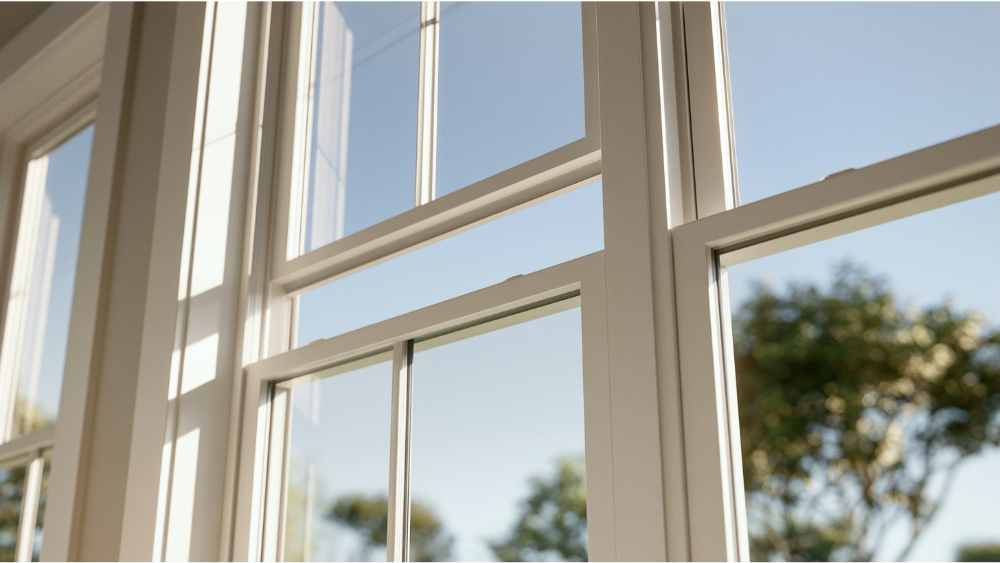
The mechanics are simple. A double hung window has an upper sash and a lower sash, and both slide vertically inside the frame. Locks hold them closed and sealed. Hidden balances counter the weight of each sash so it stays where you set it instead of sliding down.
Open the bottom sash and cooler air comes in low. Open the top sash and warm air near the ceiling escapes. Most modern units also tilt inward, so you can clean the exterior surfaces of the glass from the interior of your home. Older windows often stick or rattle. Newer units run smoother and seal tighter, which is a real comfort and efficiency difference. If you’ve heard the term sash windows, that’s the same idea: the moving glass panel is the sash, and a double hung design has two of them. A single hung window, by contrast, has a fixed upper sash while only the bottom slides.
Double Hung Windows Provide Better Airflow and Natural Light
The appeal comes down to everyday convenience and comfort. Double hung windows offer flexibility that few other styles match. Here’s what these windows do well:
- Customizable airflow. Open the top, the bottom, or both. You control ventilation to suit the room and the weather, and venting from both sashes gives you more ventilation on warm days.
- Easy cleaning. Tilt-in sashes let you wash both sides of the glass from inside, no ladder required, which keeps maintenance light.
- Better airflow where you need it. Kitchens and bathrooms clear steam and odors faster when you can vent from the top.
- Added security. Open the upper sash for fresh air while keeping the lower sash closed, helpful in rooms with kids or pets.
- Room for a window air conditioner. The vertical sliding design accommodates a unit easily and saves space.
- Full-screen ventilation. A full screen protects the whole opening when a sash is up.
- Curb appeal and style. Their clean lines fit both traditional and modern architecture and let in plenty of natural light, so they suit almost any home’s style.
Double hung windows provide strong resale value too, since buyers recognize a quality, versatile window. One thing to keep in mind: the energy efficient performance of any double hung window depends on the glass package and the quality of the installation, which we’ll cover below.
What Are the Disadvantages of Double Hung Windows?
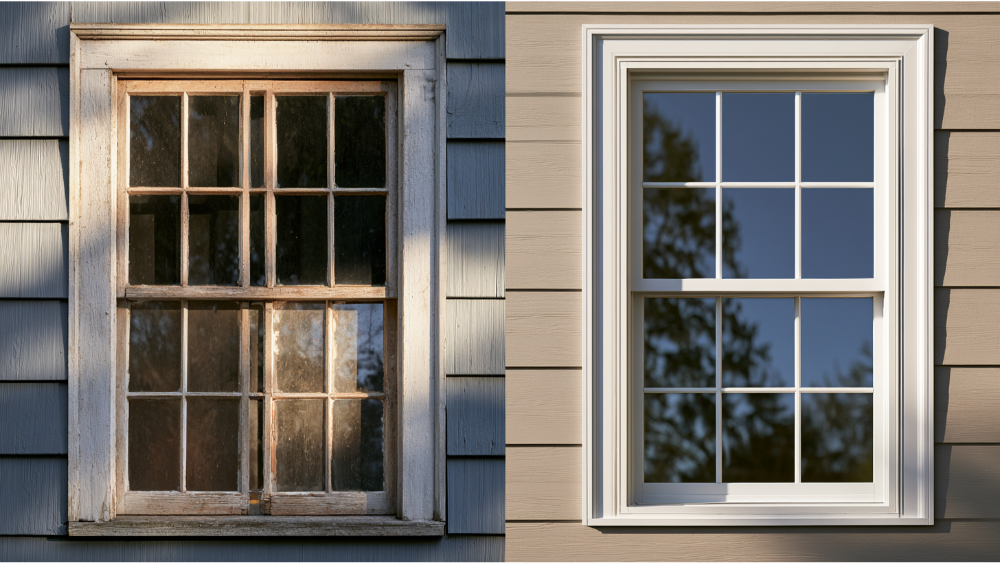
We’d rather you know the trade-offs up front. Double hung windows have more moving parts than single hung windows, and they usually cost a bit more because of the added hardware. Because both sashes slide instead of pressing tightly against the frame, this style can allow slightly more air leaks than hinged casement or awning windows that seal like a door. Older or neglected units can also stick and get hard to open, and weather stripping wears down over time.
None of that rules them out. A quality unit with a proper installation and fresh weather stripping stays very energy efficient for years. The design isn’t the tightest-sealing style, but it’s far from a weak one, and simple maintenance keeps air leaks in check.
Double Hung vs. Single Hung Windows: What’s the Difference?
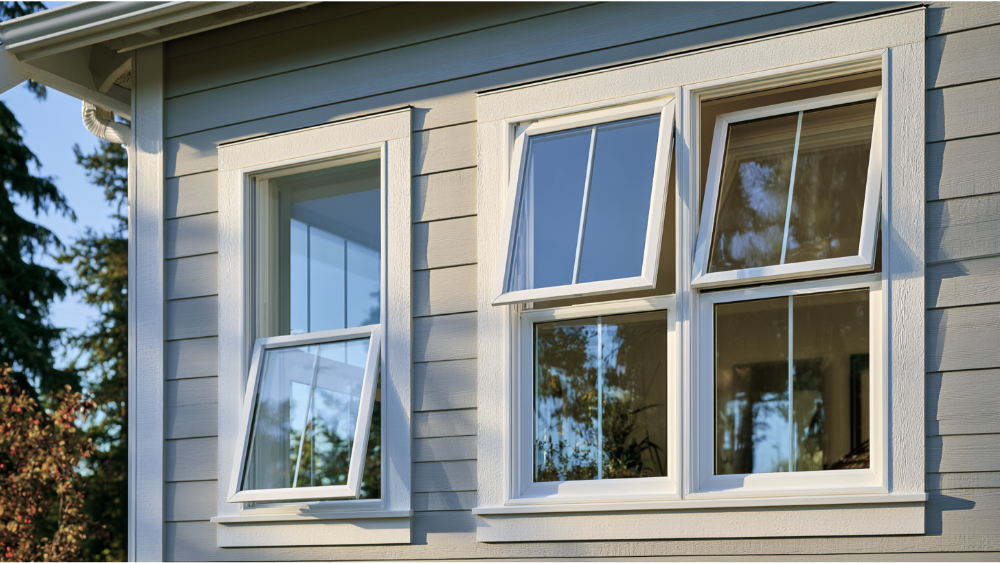
The core difference is how many sashes move. On a single hung window, only the bottom sash slides while the top stays fixed. On a double hung window, both sashes move, which gives you better ventilation and easier cleaning. That single difference shapes cost, upkeep, and how each window performs in a given room.
| Feature | Single Hung | Double Hung |
|---|---|---|
| Operable sashes | One (bottom only) | Two (top and bottom) |
| Ventilation | Bottom opening only | Top, bottom, or both |
| Cleaning | Harder for exterior glass | Tilt-in from inside |
| Cost | Typically 10 to 20% cheaper | Runs 20 to 30% more |
| Best for | Budget-focused, simple openings | Bedrooms, kitchens, upper stories |
Double hung windows tend to earn their keep in bedrooms, kitchens, bathrooms, and second-story rooms, anywhere airflow control and easy cleaning matter most. For those spaces, this popular window style is often the perfect choice. Single hung windows still make sense on a tight budget or in openings where the top sash rarely needs to move, and they can be the more cost effective option.
Energy Efficiency Features to Look For in Energy Efficient Windows
Energy efficiency comes from the whole system, not one part. Choosing the right windows starts with the glass and frame.
Glass and frame: Low E glass reflects heat and helps insulate your home. Argon gas sealed between two panes (a double pane insulated glass unit) slows heat transfer and helps reduce heat transfer through the window. Vinyl is a budget-friendly frame material with good insulating value, while wood offers a classic look. Quality weather stripping keeps the seal tight and reduces air leaks around each sash.
Reading the NFRC label: Every certified window carries an NFRC label with ratings you can compare:
- U-factor shows how well the window keeps heat in. Lower is better. The typical range runs 0.20 to 1.20.
- SHGC (Solar Heat Gain Coefficient) measures how much solar heat comes through, on a scale of 0 to 1. Lower blocks more heat and helps keep your home cooler.
- VT (Visible Transmittance) measures daylight, also 0 to 1. Higher means more natural light.
- Air Leakage should be low. ENERGY STAR requires 0.3 cfm/ft² or less, which is a good check on how well a window resists air leaks.
ENERGY STAR® certified windows can cut heating and cooling energy costs by up to 13% on average nationwide compared with non-certified products. Treat that as an “up to” figure, since energy savings depend on your home. For Northern California’s summer heat, a lower SHGC matters, especially on west-facing glass that takes the afternoon sun. Anlin windows offer Energy Star® certified double hung options built for these conditions, with Low E glass and tight seals that support real energy efficiency.
California and Sacramento Considerations
Here in Northern California, window replacement involves more than picking a style. A few local points are worth knowing.
Title 24. California’s energy standards make replacing windows a code-compliance matter, not just a product choice. U-factor and SHGC values must meet the requirements for your climate zone, and windows generally need to carry NFRC-certified labels.
Permits. Sacramento County requires a permit to replace windows, covering both retrofit and cut-in replacements. Requirements vary by city and county, so it’s smart to confirm with your local building department.
Older homes. If your home was built before 1978, EPA lead-safe work practices apply because replacing windows can disturb old paint. A certified crew handles this correctly.
Wildfire areas. For homes in or near fire-exposure zones, CAL FIRE recommends double pane tempered glass, which is about four times more break-resistant during a wildfire.
Understanding regional codes, Title 24, and our climate is part of what we do every day, and we’ll guide you through it.
What Affects the Cost of Double Hung Windows?
There’s no single price, because cost depends on what your home actually needs. The FTC puts the per-window range anywhere from a few hundred to a few thousand dollars, driven by materials, features, and installation. Whole-house projects scale from there. Here are the factors that move your quote:
- Window size and how many you’re replacing
- Frame material (vinyl versus wood)
- Glass package (Low E, argon, double pane)
- Energy efficiency ratings targeted for your climate zone
- Grids, colors, finishes, screens, and hardware
- Retrofit versus full-frame installation
- Stucco, siding, or trim repair around the opening
- Second-story access
- Lead-safe procedures in older homes
- Permits and inspections
- Warranty coverage and installation quality
Because a double hung window carries more hardware than a single hung window, expect it to sit a little higher on that range. Utility rebates can help you save on the total, but programs change often, so verify current offers before you count on them. The simplest way to get real numbers is our free estimate. You can also start with our online window cost estimator for a no-pressure ballpark.
Maintaining Your Windows for Easy Cleaning
Maintenance is light. Tilt-in sashes make it easy to clean both sides of the glass from the interior, and twice a year keeps them looking their best. Lubricate the tracks once a year so the sashes glide smoothly. Check the weather stripping over time and refresh it when it wears, which keeps the seal tight and drafts out. That’s about it, and this small routine keeps your windows performing for the long haul.
Are Double Hung Windows Worth It?
For most homeowners, yes. They’re a strong choice if you value flexible ventilation, easy cleaning, a classic-yet-versatile style, and long-term comfort. They shine in bedrooms, kitchens, bathrooms, and second-story rooms where airflow and cleaning matter.
They aren’t the only right answer for every opening. A casement or awning window may suit a spot where a tight seal or a specific reach is the priority, and a casement’s hinged panel seals firmly against the frame. The best way to plan is room by room, and a consultation makes that easy to sort out.
Why Professional Installation Matters
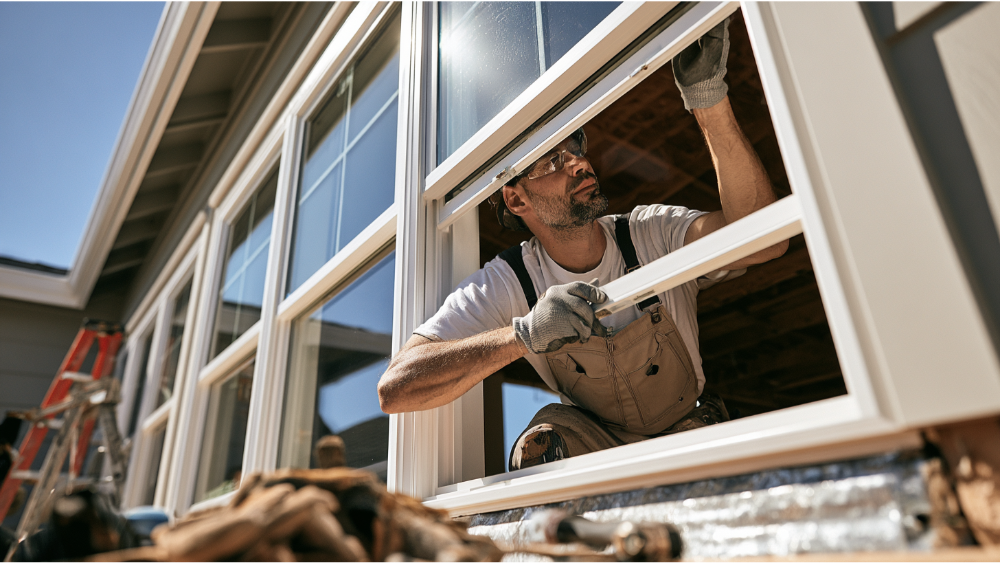
Even a high-performance window underperforms if it’s installed poorly. Gaps and misalignment create air leaks and cost you the energy efficiency you paid for. When installing double hung windows, ENERGY STAR is clear on this: manufacturer instructions and trained installers protect your comfort, efficiency, durability, and warranty, so new windows reach optimal performance.
That’s where we come in. With 17+ years of experience, we install factory-direct Anlin windows, including Energy Star® certified double hung options that meet Title 24, with the precision the job deserves. Your project is backed two ways, and we keep them distinct: the Anlin double lifetime warranty covers the vinyl, glass, hardware, and even accidental glass breakage, while our 10-year labor warranty covers the installation itself. We keep the process simple and stress-free, and our support doesn’t end after installation.
Get a Free Estimate for Your Window Upgrade
Ready to see what new windows would look like for your home? Get a Free Estimate, no commitment required. If you’d rather ease in, our online window cost estimator is a quick, low-friction starting point. We also offer 0% APR financing (OAC), and we’ll review the terms with you during your free consultation, so quality stays within reach. Call us at (916) 202-2282 and let’s get your project started.