Key Takeaway
Vinyl windows offer energy efficiency, low maintenance, moisture resistance, and affordability, making them the most popular replacement window material for most homeowners. High-quality vinyl windows commonly last 20 to 30 years, and Low-E coatings alone can cut energy loss by 30 to 50 percent. Performance depends on the full window, including the glass package, frame construction, warranty, and installation, not the frame material alone.
Vinyl Windows Benefits Drawbacks and What to Look For (Quick Answer)
Yes, vinyl windows are worth it for a lot of homeowners. They’re energy efficient, low maintenance, moisture-resistant, and usually the most affordable window material, which is why vinyl windows are one of the most popular choices for both replacements and new builds. But here’s the catch: not all vinyl performs the same. The frame material is only the starting point. What actually determines comfort, efficiency, and durability is the whole window, meaning the glass package, construction, warranty, and installation all working together. That’s the part most buyer guides skip. Our job at Elevate is to make sorting through those details simple and stress-free.
What Are Vinyl Windows?
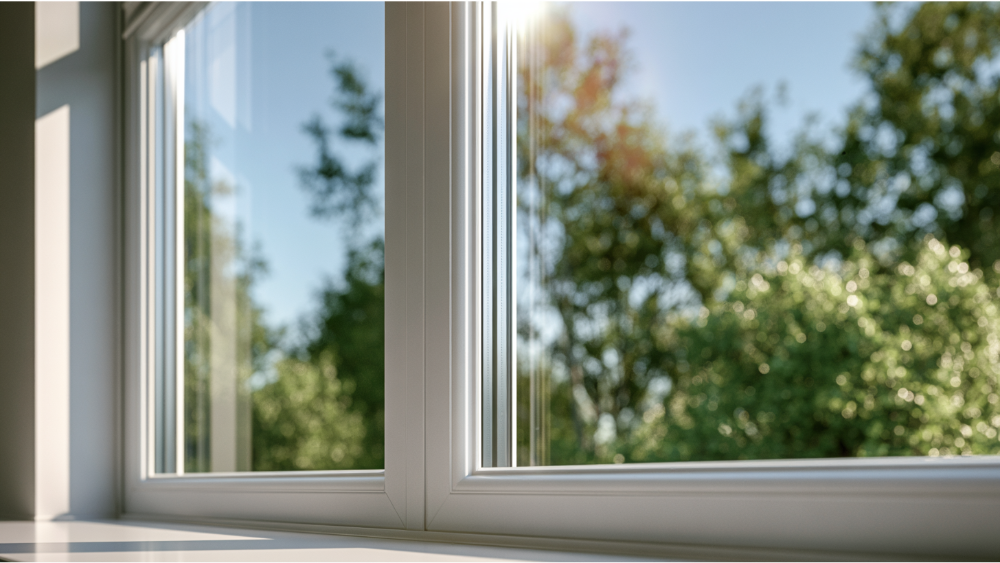
Vinyl windows are made from polyvinyl chloride (PVC), the same durable plastic used in plumbing and siding, with UV stabilizers added during the manufacturing process so sunlight doesn’t break down the material or fade it over time. A window has two main parts: the frame (the fixed outer border) and the sash (the part that holds the glass and moves when you open it).
Better vinyl window frames use multi-chambered interiors, small air pockets built into the design that slow heat transfer. Some hollow cavities are foam-filled for extra insulation, and wide sills are often reinforced with metal or wood so they stay rigid. Those engineering details are exactly why two vinyl windows can look alike and perform very differently.
Key Benefits and Advantages of Vinyl
When the quality is there, vinyl windows deliver real, everyday advantages.
- Low maintenance. No painting, no staining, no sealing. A wipe-down with soap and water keeps them looking clean for years, which makes vinyl one of the most low maintenance window materials on the market.
- Energy efficiency and comfort. Vinyl is a poor conductor of heat, so it resists the heat transfer that drives up your energy bills. Paired with an insulated glass package, that means fewer drafts and steadier indoor temperatures.
- Moisture and rot resistance. Vinyl won’t rot, swell, or invite insect damage, and unlike aluminum, it won’t rust.
- Cost-effective value. Vinyl is typically more affordable in price than wood windows or fiberglass, and high quality vinyl units commonly last 20 to 30 years with minimal upkeep.
- Design flexibility. Vinyl comes in many styles and grid patterns, from a classic double hung to sliders and picture windows. Traditional white and light tones are most common, though premium finishes like almond, clay, and green are available, with sizing and grid options that vary by manufacturers. Some homeowners even pair these frames with decorative art glass for entry and bathroom accents.
Quality vinyl frames also resist UV fading, so the color you choose today holds up. These advantages of vinyl are strongest when you start with a well-built window, not a bargain-bin one.
Potential Drawbacks of Vinyl Windows: What Are the Negatives?
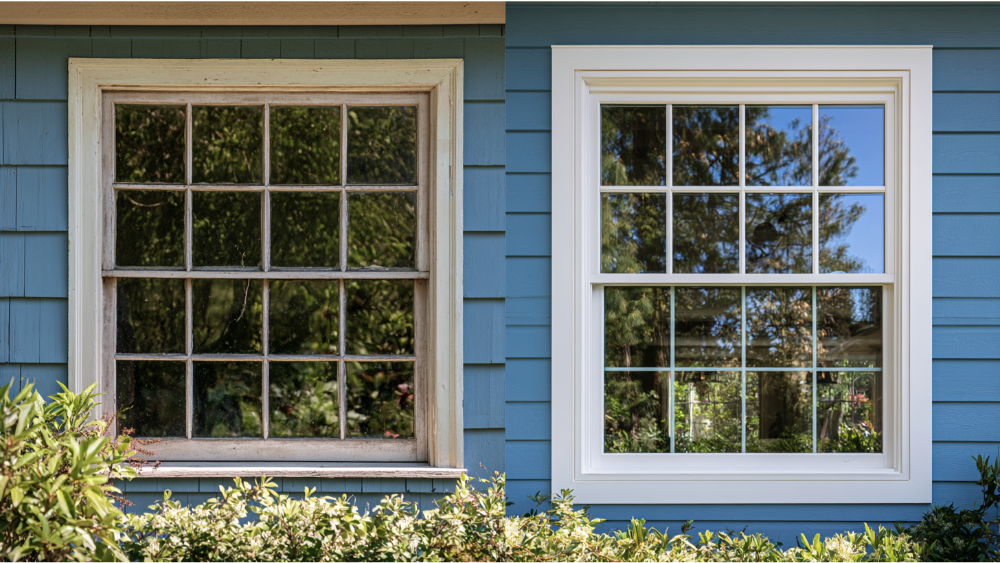
Vinyl isn’t perfect, and an honest look at the disadvantages helps you buy smarter.
- Quality varies widely. Cheap vinyl can suffer warping or fade over time, which is where most negative reviews come from.
- Limited repainting. Unlike wood, vinyl frames can’t be repainted later, so choose your color carefully up front and skip the idea of painting them down the road.
- Bulkier frames. Vinyl frames can look thicker than slim aluminum windows or crafted wood profiles.
- Dark colors need engineering. Deep and black tones absorb more heat, so under extreme heat and other weather conditions they require proper reinforcement and heat-managing technology to stay stable.
- Large openings need review. Very large windows may call for extra structural evaluation.
Most of these potential drawbacks trace back to low-grade material or poor installation. A well-engineered vinyl window with the right glass package, installed correctly, sidesteps nearly all of them.
Are Vinyl Windows Energy Efficient? Understanding Energy Efficiency
Yes, when the whole window is built to perform. Heat gain and heat loss through home windows accounts for roughly 25 to 30 percent of a home’s heating and cooling energy use, so the glass matters as much as the frame. Low-E coatings, also called low emissivity, are microscopically thin layers that reflect heat and can cut energy loss by 30 to 50 percent. Add argon gas between the panes for extra insulation, combine that with insulated glass and tight construction, and vinyl windows can meaningfully lower your energy costs. This is where vinyl’s edge in energy efficiency really shows up on your monthly bill.
ENERGY STAR® certified windows reduce heating and cooling costs by an average of up to 13 percent nationwide compared with non-certified products, and qualifying products may make you eligible for a federal tax credit worth checking before you buy. Factory-direct Anlin windows are one example of energy efficient vinyl engineered for that kind of performance, combining the frame, glass, and seals into a unit that’s tested as a whole.
How to Read the NFRC Label Before You Buy
Every certified window carries an NFRC label with independently tested ratings. Learn to read it and you can compare new windows on facts instead of sales pitches. ENERGY STAR® qualification is based on U-factor and SHGC, but the full label tells you more.
| Rating | What It Means | What to Look For |
|---|---|---|
| U-factor | Insulation against heat transfer (typical range 0.25 to 1.25) | Lower is better |
| SHGC | Solar heat let in (scale 0 to 1, typical 0.25 to 0.80) | Lower is better for hot, sunny exposures |
| Visible Transmittance | Natural light let through (typical 0.20 to 0.80) | Balance daylight with solar control; below 0.5 noticeably dims light |
| Air Leakage | Draft resistance (common threshold 0.3 cfm/ft²) | Lower is better |
| Condensation Resistance | Resistance to moisture buildup (scale 0 to 100) | Higher is better |
What Northern California Homeowners Should Check for Extreme Heat
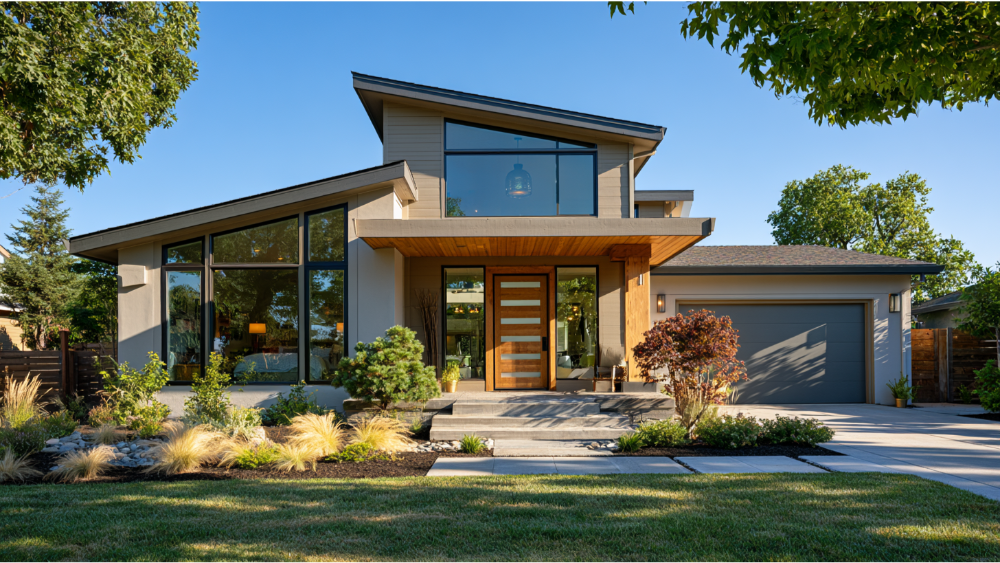
Sacramento and much of inland Northern California see long, hot summers, so solar heat gain is the concern that matters most here. A window built for a cold climate isn’t the right fit for our region; a lower SHGC keeps summer heat out and your air conditioner from working overtime.
California’s Energy Code uses 16 climate zones, and the right specs depend on yours, so verify your exact zone by address with the California Energy Commission before you decide. The 2025 Energy Code applies to permit applications filed on or after January 1, 2026. Replacement windows carry a mandatory weighted-average U-factor of 0.40 or lower, with tighter prescriptive values by zone. If your home was built before 1978, EPA lead-safe (RRP) practices may also apply during the work. This is exactly the kind of local code and climate knowledge our team handles for you.
What to Look For in Cost Effective Replacement Vinyl Windows
Use this checklist to separate good vinyl from cheap vinyl when you shop for cost effective replacement vinyl windows.
- ENERGY STAR® certified for your climate zone
- NFRC-certified performance ratings
- A Low-E glass package
- U-factor suited to the region
- SHGC matched to your home’s sun exposure
- VT that preserves natural daylight
- A durable multi-chamber frame with reinforcement where needed
- Quality locks and hardware
- A clear manufacturer warranty
- A written labor warranty from your installer
- An installer who documents the product ratings right in your contract
Vinyl vs. Aluminum Windows, Wood, and Other Materials
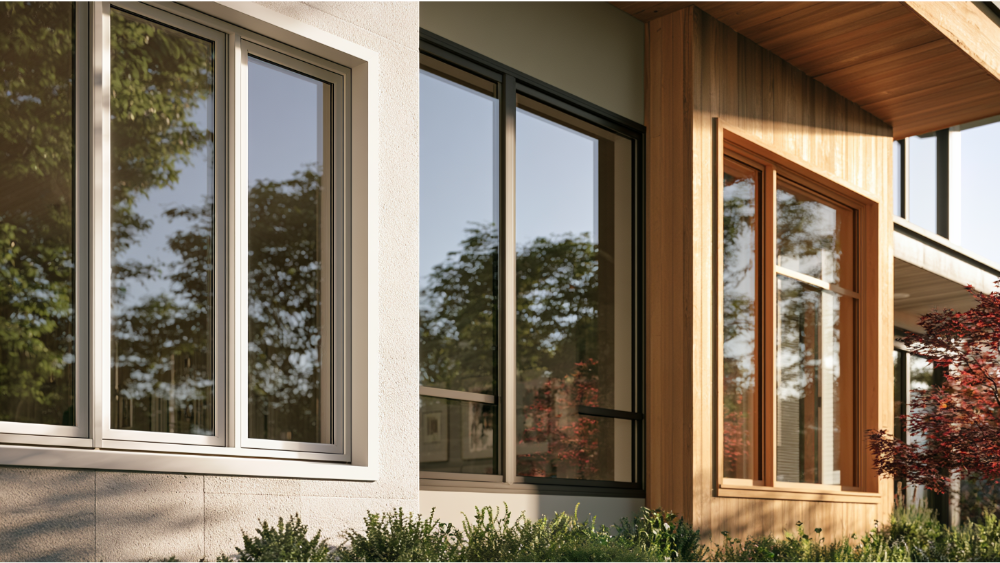
The best material depends on your climate, budget, and design goals.
- Vinyl vs. aluminum. Aluminum windows conduct heat and can rust, which hurts efficiency. Vinyl runs about 33 to 58 percent lower in cost and insulates far better, so many homeowners choose vinyl for the energy savings alone.
- Vinyl vs. wood. Wood offers a high end, repaintable look but demands ongoing maintenance and costs more.
- Vinyl vs. fiberglass. Fiberglass is very durable but typically carries a higher price than vinyl, though it may not deliver the same level of value for the money.
Installed costs vary widely by size, glass package, and project, so treat any figure as a general range and get an exact number from a free estimate rather than a guess. The same holds true for patio doors and other doors, where the frame material and glass package drive both performance and price.
Why Installation Matters as Much as the Window
A great window installed poorly won’t perform. Accurate measurement, proper flashing and sealing, clean removal of the old unit, and a final walkthrough are what turn a quality product into 20 to 30 years of comfort and efficiency. High-performance windows often take 6 to 8 weeks, sometimes up to 12, to arrive after ordering, so plan your window replacement timeline early.
Our process keeps that simple. Typical installs run 1 to 2 days, and we verify NFRC labels and handle warranty registration for you. Anlin projects carry the Anlin Limited Double Lifetime Warranty covering vinyl, glass, hardware, and accidental glass breakage, backed separately by our 10-year labor warranty and ongoing support after the job is done.
Frequently Asked Questions
What are the negatives of vinyl windows?
What is the average lifespan of a vinyl window?
What should I look for in new windows?
Which windows are the best choice?
Do replacement windows need to meet Title 24 in California?
Ready for Windows Built to Last? Get a Free Estimate
The right vinyl windows bring lasting comfort, lower energy bills, and better curb appeal, and we make getting there simple. You get factory-direct Anlin windows, precise installation, the Anlin double lifetime warranty, and our 10-year labor warranty, all with quality without compromise. Ask about 0% APR financing during your consultation (OAC, terms reviewed together). Get a free estimate, no commitment required, or try our online window cost estimator for a low-friction start. Call (916) 202-2282. Proudly serving the Greater Sacramento area and Northern California.