Key Takeaway
New windows offer meaningful security through integrated window locks, continuous interlocks, anti-lift components, and optional laminated security glass that holds together when struck. Window locks and security features in modern windows are built into engineered assemblies, not added on, making them far harder to defeat than worn hardware in aging frames. No residential window is intruder-proof, but the right combination of features buys time and discourages opportunistic break-ins.
New windows can meaningfully improve home security through stronger integrated window locks, tighter sash-to-frame engagement, anti-lift and interlock features, optional laminated security glass, opening-control devices, and compatibility with a home security system. The best results come from a complete, properly installed window assembly rather than any single type of lock. This guide is for homeowners weighing replacement windows who want to know which security features are standard, which cost extra, and which ones actually change the outcome. One honest note up front: no residential window is intruder-proof. Good windows buy time, create noise, and make an opportunistic entry a bad bet. That delay is where real peace of mind comes from.
Are Modern Windows Really More Secure Than Old Windows?
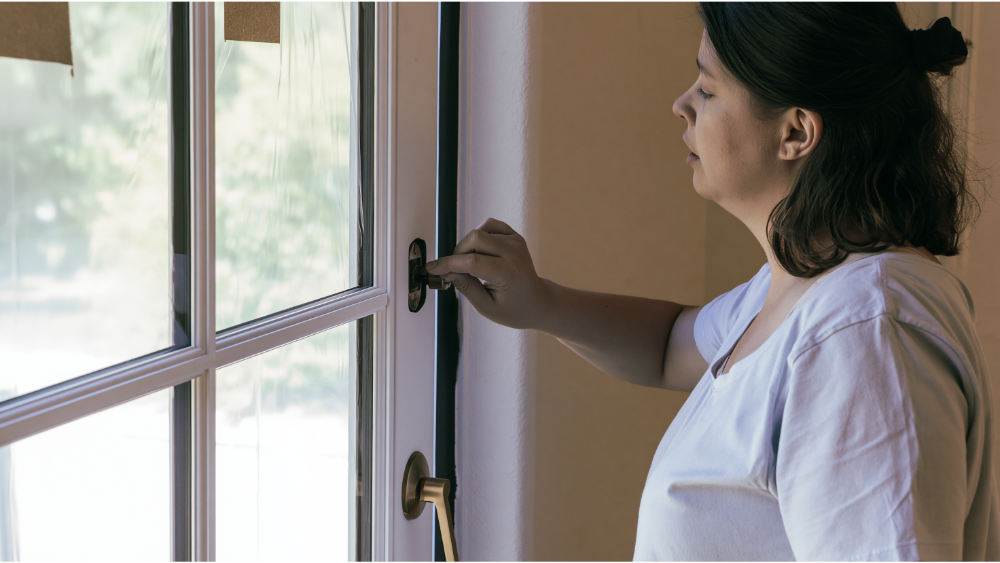
Usually, yes, though age by itself isn’t the problem. A 30-year-old window that closes square and locks firmly may be fine. The trouble starts when locks and keepers wear loose, sashes fall out of alignment, tracks get damaged, or wood window frames warp enough that the window never quite closes tight. Aftermarket locks screwed into soft or split material add very little, and they can leave you with a false sense of home safety.
Modern windows change the baseline. Integrated window locks, reinforced meeting rails, continuous interlocks, and hardware anchored into engineered frame components are built into the product instead of added later. When we walk a home in Sacramento, the windows that concern us are rarely the ones missing locks entirely. They’re the ones where the lock turns but the sash still rattles in the window frame.
Window Security Is a System, Not Just One Type of Lock
Think of a secure window in five layers. Each one does a different job, and a weakness in any of them limits the rest.
- Locking: how tightly the operable sash engages the window frame.
- Resistance: interlocks, anti-lift features, reinforced hardware, and solid anchorage in the opening.
- Glazing: what the glass does when it gets struck.
- Detection: sensors that tell you something happened.
- Safe escape: fall protection and emergency egress for the people inside.
Testing follows the same logic. ASTM F588 evaluates forced entry resistance of complete window assemblies and specifically excludes attacks made by breaking the glass. ASTM F1233 covers security glazing separately. Some window locks also carry European RC1 or RC2 anti-burglary ratings. Whatever the label, ask what was tested and to which standard, not just what the brochure advertises.
What Window Locks and Security Features Do New Windows Offer?
| Feature | What it does | What it does not do |
|---|---|---|
| Cam and sash locks | Pull the sash and meeting rail tightly together | Do nothing for weak glazing |
| Automatic (auto-reset) lock | Engages on its own when the sash closes | Won’t confirm every window in the house is shut |
| Sash dead bolts and pin locks | Add a secondary physical stop against forced entry | May be unsuitable on a required escape window |
| Keyed lock | Adds deterrence on low-traffic windows | Can trap occupants if used on egress windows |
| Continuous interlock | Blocks outside access to the lock between meeting rails | Doesn’t stop glass breakage |
| Anti-lift component | Keeps a sliding sash from being lifted out of its track | Doesn’t detect an attempt |
| Multi-point locking system | Secures the sash at several points along the window frame | Isn’t available on every style or size |
| Opening-control device | Limits how far the sash travels | Is not a burglary-rated lock |
| Security screen | Physical barrier that still allows ventilation | An ordinary insect screen offers neither |
| Laminated security glass | Holds together when struck and delays penetration | Is not unbreakable |
| Contact or glass-break sensor | Detects opening or breaking and notifies you | Adds no physical strength |
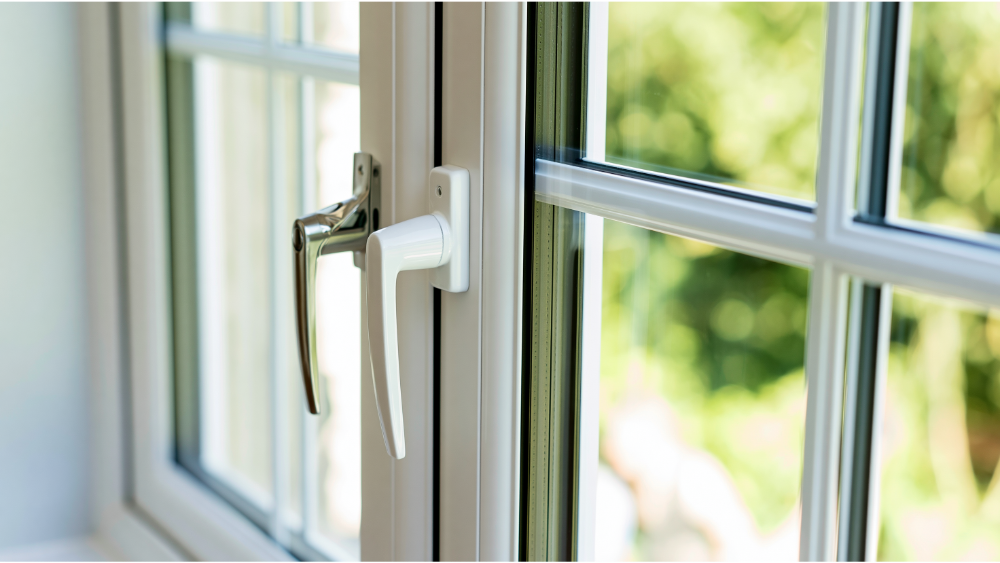
Cam locks, sash locks, interlocks, and anti-lift design are typically built in. Dead bolts, keyed hardware, laminated glass, security screens, and opening-control devices are usually optional features, and availability depends on the collection, style, size, and configuration you’re ordering.
As a factory-direct example, Anlin lists a Pull-Tight Cam Lock, an optional True Action automatic lock, a continuous interlock designed to prevent outside manipulation of the lock, and an optional quarter-inch stainless-steel sash dead bolt on certain sliding windows. Those are Anlin’s specifications, and not every one of these features carries across every product line.
Sash Locks, Pin Locks, and Which Systems Fit Each Window Style
| Window style | Typical locking and security options |
|---|---|
| Single-hung and double-hung | Sash locks and cam locks, automatic locks, opening-control devices, secondary pin locks (check egress first) |
| Horizontal sliding windows | Cam locks, continuous interlock, anti-lift protection, optional sash dead bolt |
| Casement and awning | Handle-operated locks that compress the sash against the frame, multiple engagement points where offered |
| Picture and geometric | No operable lock; security comes from glazing, frame retention, and installation |
No style is universally the most secure. A ground-floor slider behind a fence and a second-story casement over an open side yard call for different answers, and how the room is used matters as much as the hardware list. Windows near doors, gates, fences, or deck rails deserve extra attention, since anything that gives intruders cover or a place to stand raises the odds of break ins.
Laminated vs. Tempered Glass: Which Actually Resists Break Ins?
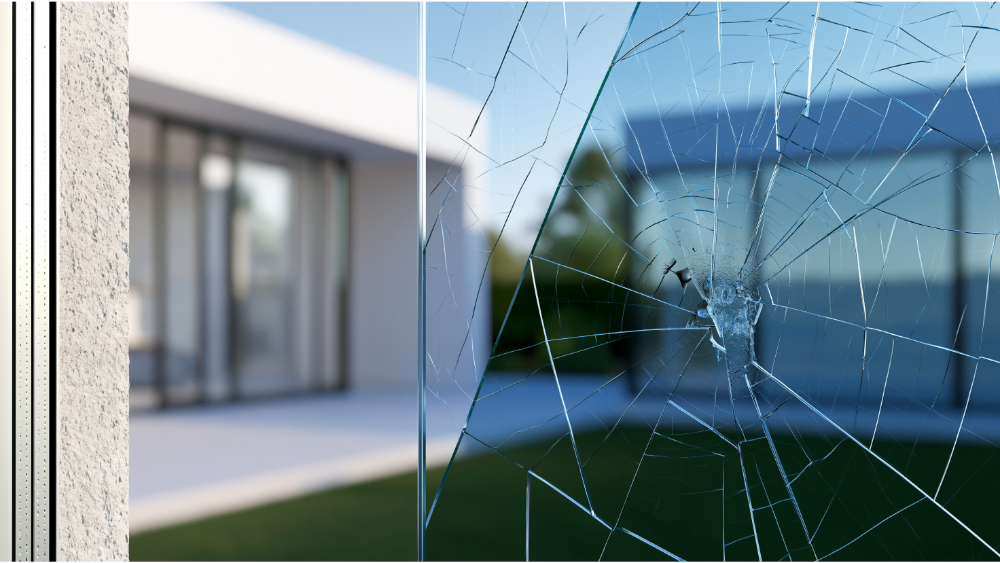
These get treated as interchangeable, and they aren’t.
- Tempered glass is safety glazing. It’s heat-treated for strength and breaks into small, dull pieces to reduce injury. Anlin describes its tempered option as up to four times stronger than standard glass, which is a strength claim, not a forced entry rating.
- Laminated glass bonds two or more layers with an interlayer. When it breaks, the fragments stay attached, so there’s no clean opening to climb through. That delay is the point.
- Double- and triple-pane glass is about energy performance, comfort, and noise. Pane count is not a security rating.
- Retrofit security film helps existing glass resist shattering, but it isn’t equivalent to a factory-tested laminated assembly.
For a manufacturer example, Anlin states that its First Guard laminated security glass complies with ASTM F1233 Class 1.1/1.3, withstanding 20 impacts from a 32-ounce hammer without creating an opening larger than eight inches. That result applies to the tested configuration, so confirm your exact style and glazing package carries it.
Do Window Alarms and a Home Security System Add Real Protection?
They add awareness. Contact sensors tell you a sash moved. Glass-break sensors listen for the sound signature of breaking glass. Modern wireless versions tie into a home security system, monitor locked status without visible wires, and trigger smart-home routines the moment a window opens. What none of them do is reinforce the lock, sash, or glazing. Detection and resistance are separate jobs, and a good plan uses both. Ask before installation whether sensor placement affects tilt-in cleaning, sash operation, or your manufacturer warranty.
The same logic applies to doors. A home security system that covers every door but skips accessible windows leaves the easier target unwatched.
Home Safety: Children, Ventilation, and Emergency Escape
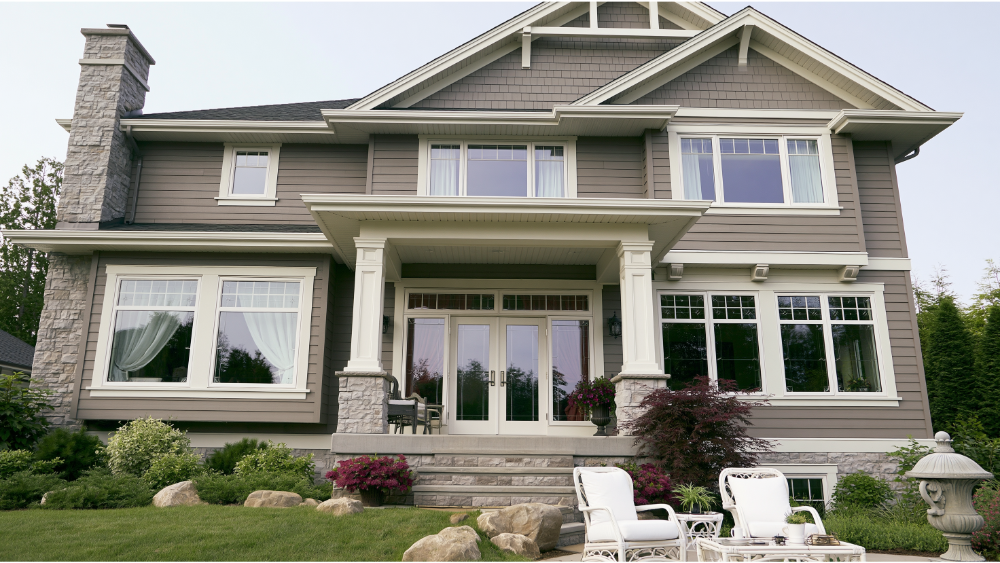
Insect screens do not prevent falls. The U.S. Consumer Product Safety Commission is direct about that and recommends window guards or stops limiting openings to four inches or less where children are present, while keeping at least one opening per room usable for escape.
That’s the tension worth respecting. A pin lock, keyed latch, or fixed bar that a person can’t release quickly in the dark is a home safety problem, not a security upgrade. Bedroom and other required escape windows must open from inside without a key or tool.
What Northern California Homeowners Should Know
The 2025 California Building Standards Code took effect January 1, 2026. Under the current California Existing Building Code, an operable replacement window may require an ASTM F2090 opening-control or fall-prevention device when the clear opening sits less than 24 inches above the interior floor (36 inches for certain Group R-2 and R-3 dwelling units), the exterior drop exceeds 72 inches, and the opening passes a four-inch sphere. Any such device has to release without reducing the required clear opening.
Security choices also have to live alongside Title 24. Windows sold in California must be NFRC-certified so U-factor and solar heat gain can be verified, and the 2025 Energy Code applies to permits submitted on or after January 1, 2026. You shouldn’t have to trade energy efficiency for window security. When a window’s egress role or opening dimensions are unclear, we confirm it with the Sacramento or applicable local building department before ordering.
Repair the Locks or Replace the Windows?
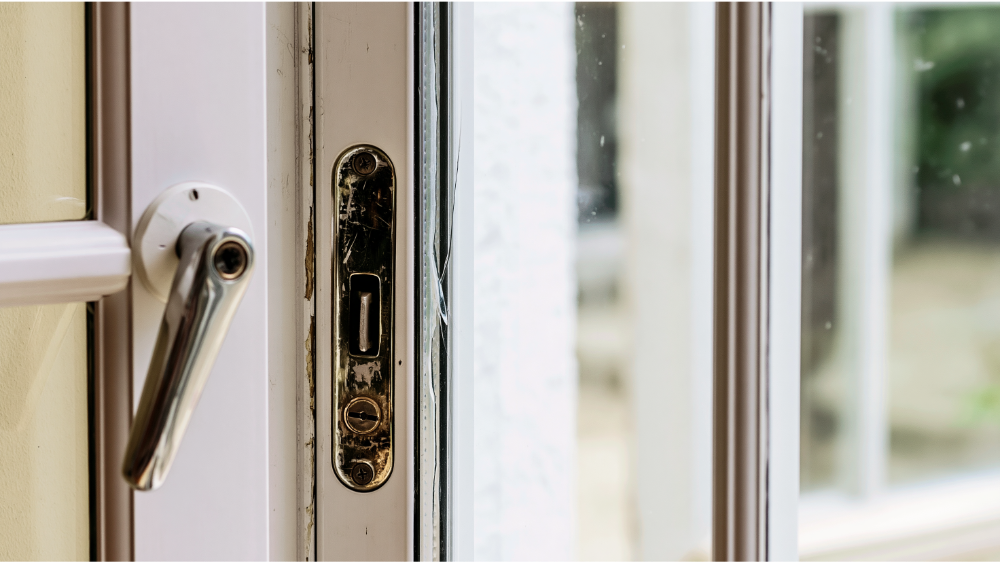
- Repair often makes sense when the window frame and sash are sound, the window closes squarely, only the lock or keeper is worn, and replacement parts are still available.
- Replacement makes more sense when the sash no longer aligns, the frame or track is damaged, several locks have failed, or you want better comfort, efficiency, and durability along with the security upgrade.
Questions to Ask During Your Window Consultation
- Which locking features are standard, and which are optional upgrades?
- Does the sash lock automatically, and is there anti-lift or continuous interlock protection?
- Was the full assembly tested for forced entry, or only the glass? Which ASTM standard applies?
- Is laminated security glass available for my ground-floor and accessible windows?
- Does this window serve as an emergency escape opening, and does it need an ASTM F2090 device?
- Will drilling or aftermarket window locks affect the manufacturer warranty?
- Can home security system contacts be installed without affecting operation?
- How will the installer verify lock engagement at the final walkthrough?
Frequently Asked Questions
What is the most secure type of window lock?
There isn’t one universal answer. Any type of lock is only as good as the sash, keeper, and window frame it engages, which is why ASTM F588 tests the whole assembly. Look for documented testing on the configuration you’re actually buying.
Do window locks really prevent break ins?
They prevent the easy ones. Most intruders look for an unlocked or loose window first, so properly engaged window locks remove your home from that shortlist. Pair them with laminated glazing on accessible openings for real resistance.
Does double-pane glass stop intruders?
Not on its own. Two panes improve energy performance, comfort, and noise control, and add some rigidity, but pane count carries no forced entry rating. Laminated security glazing is the upgrade that delays entry.
Are keyed window locks safe for bedroom windows?
Generally no, if that window is a required emergency escape opening. California requires those windows to be operable from inside without a key or tool.
Can I leave a window open and still keep it secure?
An opening-control or ventilation device limits sash travel so you can leave a window open for airflow without a full opening. Treat it as opening limitation and fall protection, not as a burglary-rated lock.
Windows Built for Comfort, Efficiency, and Peace of Mind
Home security sits alongside comfort, efficiency, and durability, and the right product selection plus precision installation is what makes all of it hold up. With 17+ years of experience across Northern California, our team works factory-direct with Anlin windows, knows the local code and Title 24 requirements, and backs every project with the Anlin Limited Double Lifetime Warranty on the product plus our own 10-year labor warranty. That combination is where the peace of mind actually comes from. 0% APR financing is available OAC, with terms reviewed during your consultation.
Get a free estimate, no commitment required, or call us at (916) 202-2282. We’ll walk your windows with you and tell you straight which