Key Takeaway
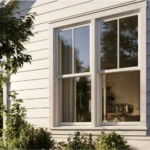
A single hung window has two vertically stacked sashes: the upper sash is fixed while the lower sash slides up to open, providing ventilation through the bottom only. It is one of the most common replacement window styles, with fewer moving parts than a double hung window and often a lower price. ENERGY STAR certified single hung windows can cut heating and cooling costs up to 13% on average when replacing single-pane glass.
A single hung window has two vertically stacked sashes. The upper sash is fixed, and the lower sash slides up to open, so ventilation comes through the bottom only. Single hung windows are among the most common replacement windows in Sacramento homes, and they are easy to operate. Here’s how the style works and what to verify before you order.
What Is a Single Hung Window?
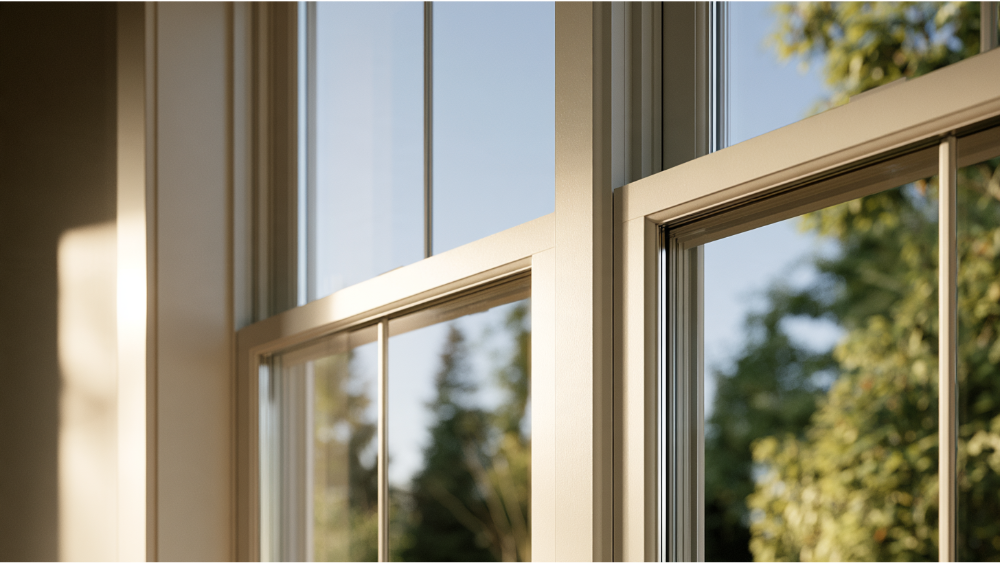
One sash moves, one stays put. The bottom sash slides straight up instead of swinging out, so nothing projects into a walkway or into your interior space. The clean vertical sightline suits traditional homes, and the style is designed around one simple motion.
What Does “Sash” Mean?
A sash is the framed panel holding the glass. Upper sash: stationary. Lower sash: operable. Screens, grilles and locks are the accessories that finish the unit.
How a Single Hung Window Works
Unlock the latch where the sashes overlap, then slide the bottom sash up. A balance system holds it in place, and a screen covers the opening, so you get air without insects. Most single hung windows open with one hand, making them practical above a low counter or in a child’s room.
Single Hung Window Pros and Cons
Pros
- Simple, one-motion operation
- Traditional look for classic facades
- Fewer moving parts, which supports long-term durability
- Often lower cost than comparable double hung windows
- Available with energy-efficient glass packages
Cons
- The upper sash never opens
- One airflow option instead of several
- Upper glass is washed from outside
- Not every size meets bedroom egress
Single Hung vs. Double Hung Windows
| Feature | Single hung | Double hung |
|---|---|---|
| Operable sashes | Bottom only | Both |
| Ventilation | Bottom opening | Top, bottom, or split |
| Cleaning | Upper glass from outside | Often both from inside |
| Moving parts | Fewer | More |
| Relative cost | Usually lower | Usually higher |
Compare NFRC labels, not just operating style. Two single hung windows of the same size can perform very differently depending on the glass.
Are Single Hung Windows Energy Efficient?
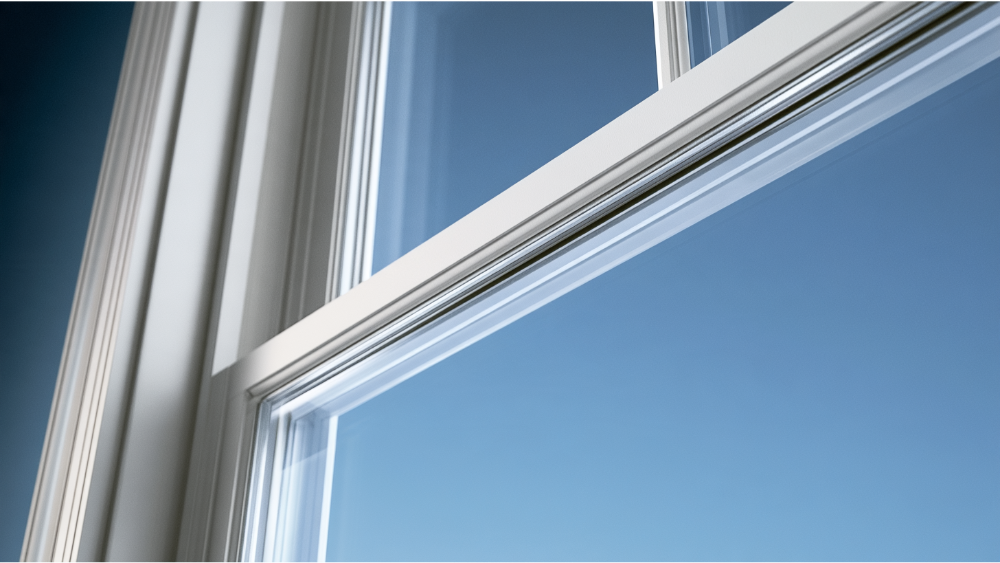
A fixed upper sash removes one moving joint, but performance comes from the whole assembly: frame, dual-pane insulated glass, low-e coating, weatherstripping and precise installation. ENERGY STAR® estimates certified windows replacing single-pane windows cut heating and cooling costs up to 13% on average nationwide, a modeled figure rather than a promise for your home. We install factory-direct Anlin products, including Energy Star® certified single hung windows.
Which NFRC Ratings to Compare
- U-factor: lower insulates better
- SHGC: lower blocks more solar heat
- Visible transmittance: higher means more daylight
- Air leakage: lower means fewer drafts (ENERGY STAR® V7.0 caps windows at 0.3 cfm/ft²; U-factor and SHGC criteria vary by climate zone)
Easy Cleaning
Many single hung windows tilt the bottom sash inward for cleaning from the interior. The fixed upper glass is usually washed from outside, which matters upstairs, so ask how both are handled before you sign.
Where Single Hung Windows Work Best
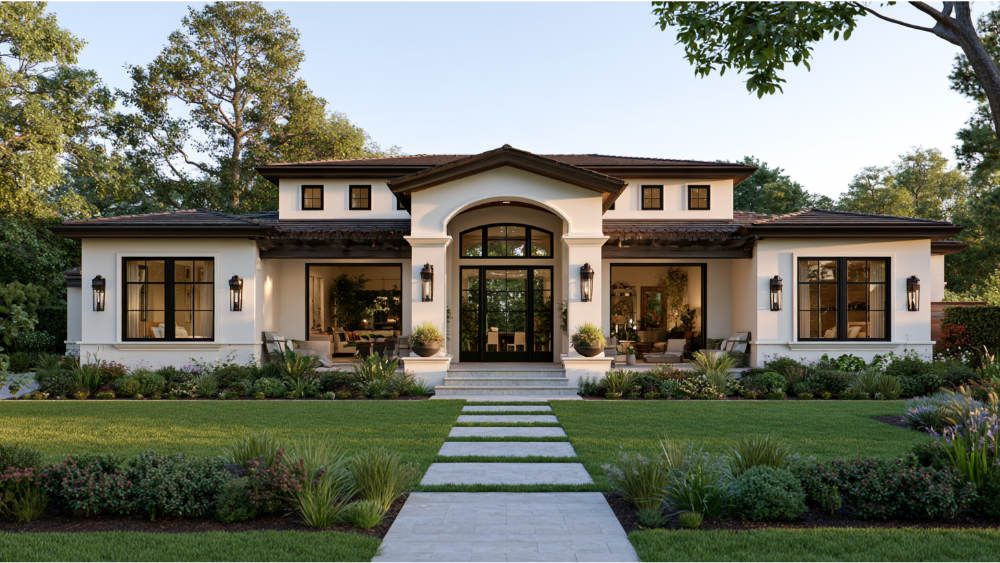
Good fits: first-floor rooms, traditional facades, bathrooms and hallways. Consider another style if top-sash airflow matters, exterior access is difficult, or a bedroom is tight on egress. In those rooms, double hung windows or a casement may serve you better.
Can One Meet Bedroom Egress Requirements?
Sometimes. Egress depends on the net clear opening with the sash fully raised, not the unit size. Because the upper sash is fixed, a single hung window gives up roughly half its height, so the frame often needs to be slightly larger. Current requirements: 5.7 square feet (5.0 at grade floor), 24 inches height, 20 inches width, sill no higher than 44 inches. Have it measured and confirm with your building department.
Materials and Ordering Options
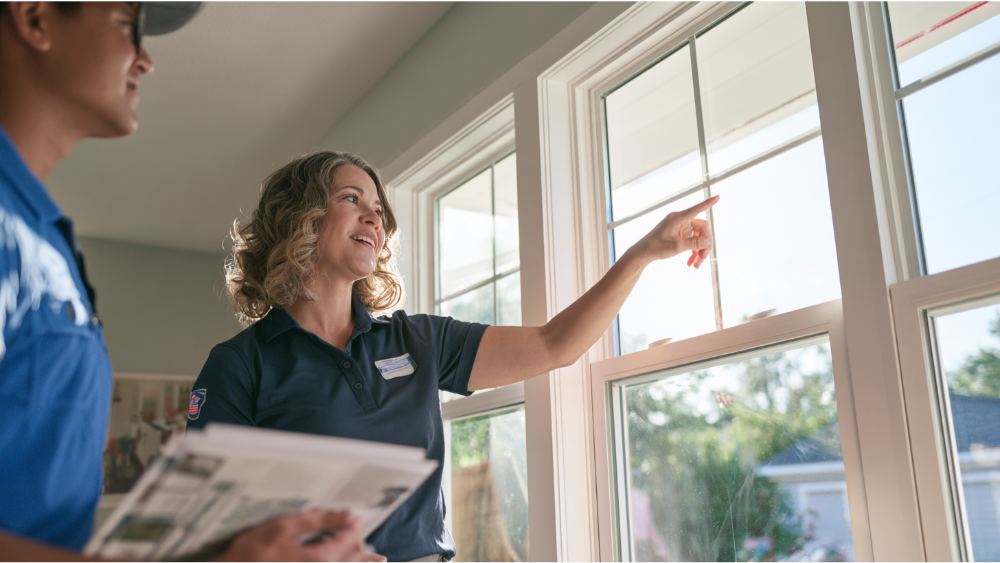
Choose vinyl, fiberglass, aluminum or wood, then select grilles, colors, trim and screen accessories at ordering. Vinyl single hung windows are designed for low maintenance and stand up well to Sacramento summers. Anlin offers single hung windows in several replacement collections; confirm sizes, tilt features and glass packages per order. Grille patterns can create a traditional look even on a newer home.
What to Check Before Ordering
- Certified U-factor and SHGC
- ENERGY STAR® certification for your climate zone
- Glass package, screen and lock operation
- Net clear opening for bedrooms
- Who pulls the permit
- Lead-safe practices in pre-1978 homes
- Cleanup and final walkthrough
Two separate protections matter: the Anlin Limited Double Lifetime Warranty (vinyl, glass, hardware, accidental glass breakage) from the manufacturer, plus our 10-year labor warranty on installation.
A Northern California Note
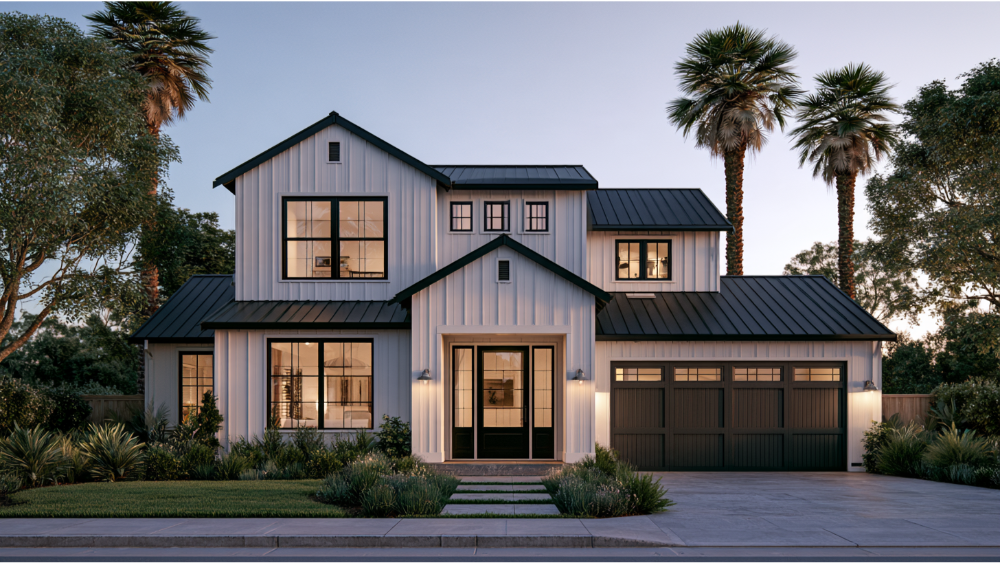
The 2025 California Energy Code applies to permits filed on or after January 1, 2026. Sacramento generally sits in Climate Zone 12 (confirm your address with the CEC climate zone tool), where prescriptive maximums are U-0.27 and SHGC-0.23, with an exception for replacement fenestration of 75 square feet or less at U-0.40 / SHGC-0.35. Sacramento requires permits for window replacement, and we handle that step for homeowners.
Find the Right Single Hung Windows for Your Home
With 17+ years serving the Greater Sacramento area and Bay Area, we measure, handle code and review 0% APR financing options (OAC, terms discussed at your consultation). Contact us to Get a Free Estimate, no commitment required, or call (916) 202-2282.
Frequently Asked Questions
Single hung vs. double hung?
A single hung window opens at the bottom sash only. Double hung windows open top, bottom, or both.
Can you still get single hung windows?
Yes, widely, in vinyl, fiberglass, aluminum and wood with modern energy-efficient glass.
What drives replacement cost?
Size, material, glass package, frame condition, insert versus full-frame work, opening count and permits. Ask for a free estimate.
What are the common window types?
Single hung, double hung, slider and casement. We also install picture, awning, bay and bow, garden and geometric windows, so you can find a match for each opening.