Key Takeaway
Single hung vs. double hung windows differ in one key way: single hung windows have a fixed top sash and only the bottom sash moves, while double hung windows let both sashes slide open. Single hung windows are the more affordable option with fewer moving parts, making them a solid pick for first-floor and living room spaces. Double hung windows cost more but offer easier tilt-in cleaning, better ventilation control, and added convenience on upper floors.
Single Hung vs Double Hung Windows: The Quick Answer
The core difference comes down to the sash, the part of the window that moves. A single hung window has a fixed upper sash and a movable bottom sash that slides up. A double hung window has two movable sashes, so you can open the top, the bottom, or both. Single hung windows usually win on value and simplicity. Double hung windows usually win on easier cleaning and airflow control, especially on upper floors. If you’re a homeowner comparing replacement window types, the honest answer isn’t one winner for the whole house. It’s picking the right style room by room, and that’s exactly what this guide walks you through.
Single Hung vs Double Hung Windows at a Glance
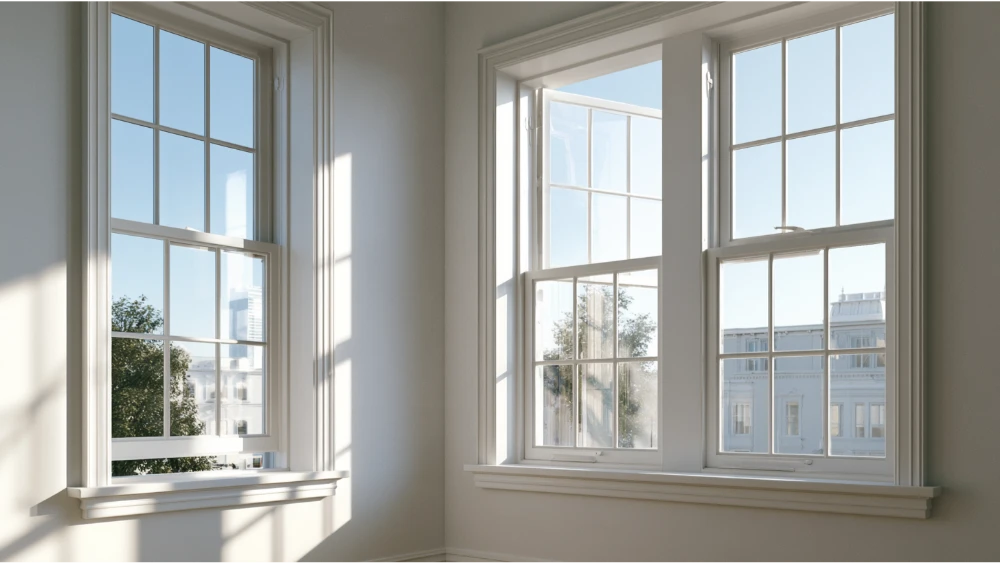
Here’s the short version before we get into the details of these two window types.
| Feature | Single Hung | Double Hung |
|---|---|---|
| Sash operation | Bottom sash moves; top fixed | Both sashes move |
| Typical cost | Usually more affordable | Usually higher |
| Cleaning access | Harder on upper floors | Easier when sashes tilt in |
| Ventilation | Bottom opening only | Top, bottom, or both |
| Moving parts | Fewer | More |
| Safety | Bottom-only opening | Top-sash airflow option |
| Best rooms | First-floor, budget-focused | Bedrooms, upstairs, kitchens, baths |
What Is a Single Hung Window?
A single hung window has two sashes, but only the bottom sash moves. The fixed upper sash stays in place while the lower sash slides up to let in fresh air. Fewer moving parts means simpler operation and often a lower price, which is why single hung windows are a common pick for cost-conscious projects. They also carry a clean, traditional aesthetic that suits a lot of Northern California homes, whether you have wood trim, stucco, or vinyl siding. People sometimes call them single sash windows because only one panel operates.
Some models close the cleaning gap that single hung windows are known for. Certain factory-direct Anlin single hung windows let the bottom sash tilt inward, so you can wipe down the exterior glass from inside the room. The lock sits at the meeting rail where the two sashes come together, holding the bottom sash firmly closed. For rooms where top-sash airflow and outside access aren’t priorities, single hung windows give you value and simplicity without much compromise.
What Is a Double Hung Window?
A double hung window has top and bottom sashes that both move. You can raise the lower sash, lower the upper sash, or open both at once. That flexibility is the whole point. When the top sash opens, hot air near the ceiling can escape while cooler air enters lower down, which improves ventilation and helps rooms feel more comfortable without cranking the air conditioning.
Easier cleaning is the other big advantage. When both sashes tilt inward, you can reach the exterior glass from inside your home. No ladder, no leaning out a second-story window. That significantly easier access makes double hung windows a practical choice for upper floors, stairwell windows, and any opening that’s awkward to reach from outside. For most homeowners, the appeal of double hung windows is the added convenience: easier upkeep and more control over how each room breathes.
Single Hung vs Double Hung: The Real Differences
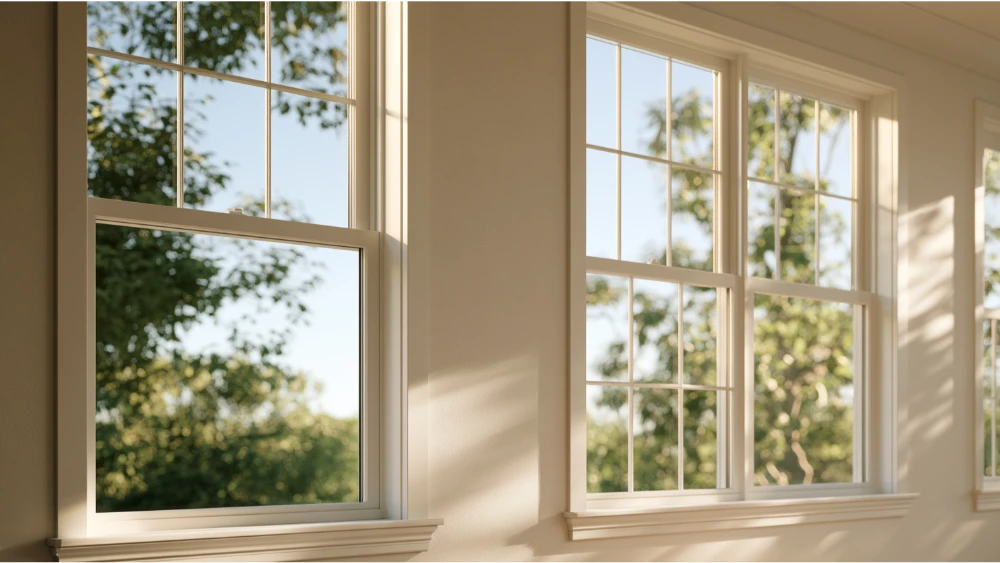
Cost and value. Single hung windows have fewer moving parts, so they’re generally the more affordable option. Double hung windows carry a higher upfront cost because there’s more hardware and more to build. The right value depends on where the window goes and how much you’ll use its features.
Easier cleaning and easier maintenance. Double hung windows are easier to clean when both sashes tilt in, giving you access to the interior and exterior glass in one motion. On a single hung window, the fixed top sash usually means cleaning the outside from outside.
Ventilation. A single hung window opens only at the bottom, so it offers less ventilation. A double hung window lets you vent from the top, the bottom, or both, so hot air can leave up high while cooler air comes in below. That better airflow and more ventilation is one of the biggest reasons homeowners choose double hung windows.
Maintenance and moving parts. More moving parts on a double hung window means slightly more to maintain over time. With fewer moving parts, single hung windows keep it simple.
Appearance. Closed, single and double hung windows look nearly identical from the street. The real difference is how they operate, not how they look, so both can complement your home’s style and boost curb appeal.
Safety. Double hung windows let you open just the top while keeping the bottom half closed, which we’ll come back to below.
Single Hung vs Double Hung Windows and Energy Efficiency
Here’s a myth worth clearing up: neither single hung nor double hung windows are automatically more energy efficient than the other. What actually drives energy efficiency is the glass package, the frame, the weatherstripping, and the quality of the installation. A poorly installed premium window will underperform a well-installed basic one.
The best way to compare two windows is the NFRC label. Three numbers matter most. U-Factor measures how well the window keeps heat in (lower is better). SHGC (Solar Heat Gain Coefficient) measures how much of the sun’s heat comes through (lower means less heat gain). Air Leakage measures how much air sneaks past the seals, which is where air leaks quietly raise your bills. Both single and double hung windows are sliding styles, and DOE and the FTC both note that sliders tend to leak more air than hinged styles like casement or awning windows. That’s precisely why NFRC ratings and precise installation matter so much whenever a sash opens and closes.
Look for Energy Star® certified products, which are independently tested to NFRC procedures. Energy Star reports that certified windows, doors, and skylights can cut heating and cooling costs by up to 13% on average nationwide compared with non-certified products. That’s an average, not a promise, and it depends on your home. One more clarification: “double hung” describes how a window opens, while a window built with two panes of glass is “double pane.” They’re not the same thing.
Which Window Is Right for Each Room?
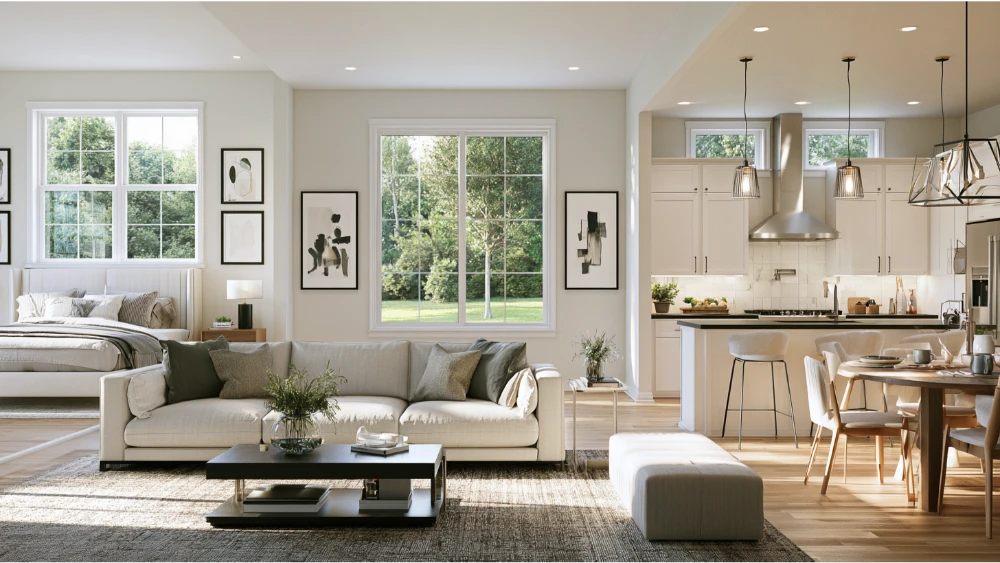
The smart approach is matching the window type to the room. A few guidelines:
- Bedrooms and upstairs rooms: Double hung windows often make sense. Top-sash ventilation adds comfort, and tilt-in cleaning saves you from balancing on a ladder.
- Kitchens and bathrooms: Double hung windows help vent warm, humid air out through the top sash, which can reduce moisture buildup.
- Living rooms and first-floor spaces: Single hung windows are often plenty. You get value and a clean look where extra ventilation control matters less, and living rooms with easy exterior access rarely need tilt-in cleaning.
- Hard-to-reach windows: Weigh cleaning access carefully. If you can’t safely reach the outside, tilt-in double hung windows earn their keep.
- Rooms that need egress: Bedrooms and basements may have minimum opening requirements, so confirm the clear opening size before you decide.
Safety and Code Considerations Before You Choose
A few safety points get skipped in most comparisons. The CPSC warns that window screens are not fall protection and should never be treated as such. For homes with young children, window guards or stops that limit an opening to about 4 inches help prevent falls. Opening a window from the top sash when practical is another simple safeguard, which is a natural fit for double hung windows.
Egress matters too. Under the 2024 IRC model code, emergency escape openings generally need a minimum net clear opening of 5.7 square feet (5.0 for grade-floor openings), at least 24 inches of clear height, 20 inches of clear width, and a sill no more than 44 inches above the floor. Local adoption varies, so confirm with your building department or installer rather than assuming a style qualifies.
If your home was built before 1978, window replacement can disturb lead-based paint around sills, wood trim, and door casings. The EPA estimates roughly three-quarters of pre-1978 homes still contain some, and paid work on those painted surfaces calls for lead-safe practices. Our team handles installation with those requirements in mind.
Why Do Double Hung Windows Usually Cost More?
The math is straightforward. A double hung window has more moving parts, more hardware, and often needs more precision to install and adjust so both sashes seal well. That added cost shows up in the price. The FTC puts window costs anywhere from a few hundred to a few thousand dollars each, depending on materials, features, and installation.
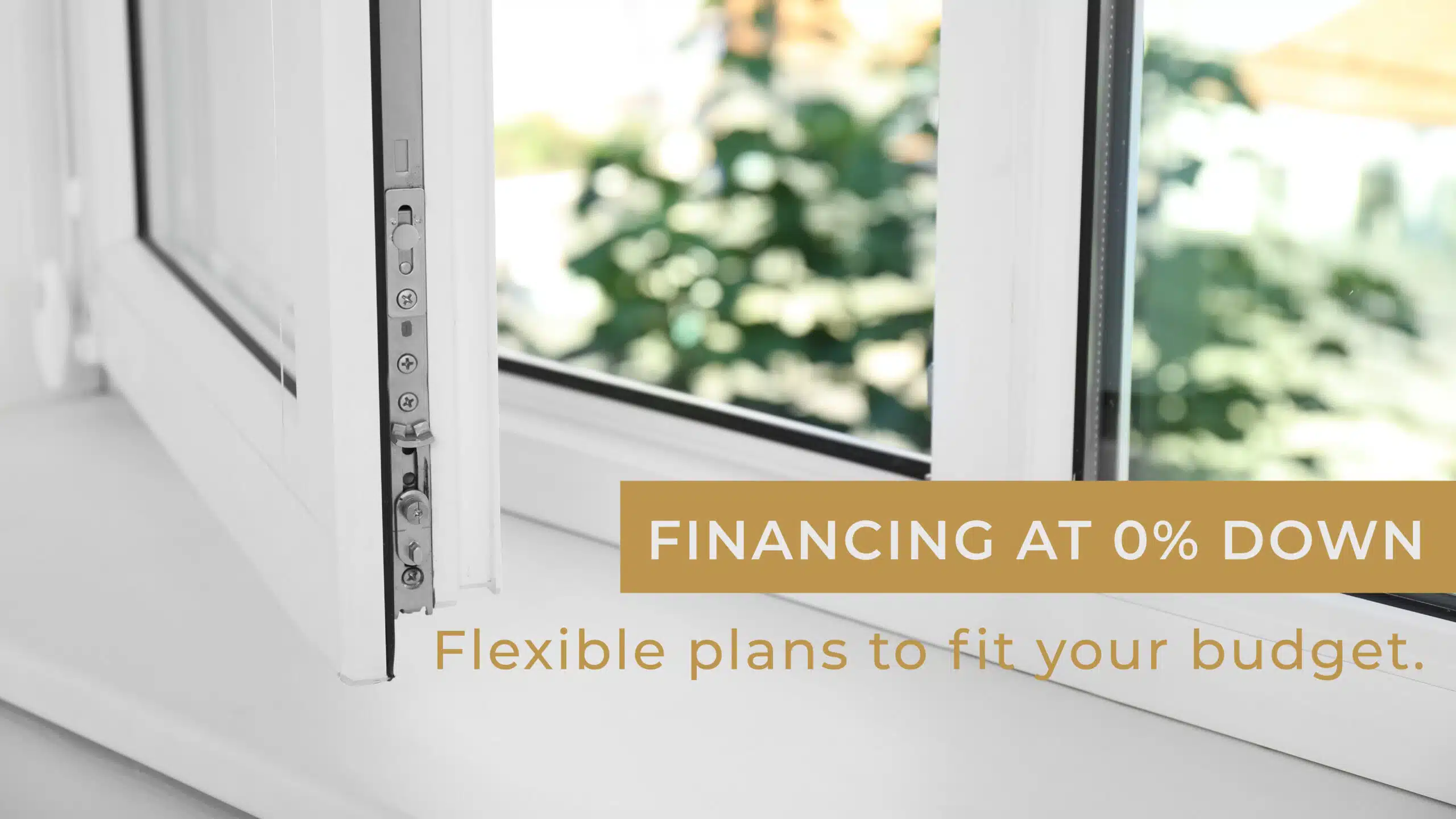
Your final cost depends on window size, glass package, frame material, installation conditions, and the number of windows being replaced. New windows can also lift resale value when you sell, which is worth weighing against the price. The clearest way to get a real number is a free estimate. You can also start with our no-obligation online window cost estimator. And if budget is the hurdle, we offer 0% APR financing OAC, with terms reviewed during your consultation.
How to Choose Single Hung Windows or Double Hung, and How Elevate Makes It Stress-Free
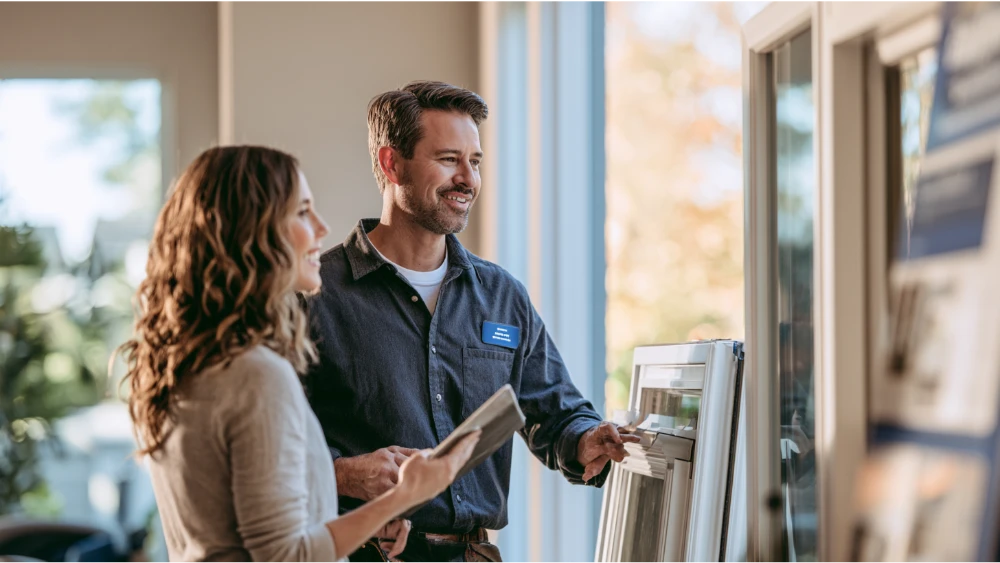
Here’s the quick decision guide:
- Choose single hung windows if you want simplicity, value, and a classic look on first-floor and living room spaces.
- Choose double hung windows if you want easier cleaning, better ventilation control, or upper-floor convenience.
- Ask a pro if you’re unsure about egress, sizing, or NFRC ratings.
Whichever style you pick, the install quality decides how the window actually performs. We use factory-direct Anlin windows with Energy Star® certified options, backed by two separate forms of peace of mind: our 10-year labor warranty on the installation, and the Anlin Limited Double Lifetime Warranty covering vinyl, glass, hardware, and even accidental glass breakage, transferable to the next owner. For Northern California homeowners, we also help align choices with regional energy standards like Title 24 and local climate needs.
Ready to talk it through? Get a Free Estimate, no commitment required, or call us at (916) 202-2282.
Frequently Asked Questions
What are the disadvantages of single hung windows?
The fixed top sash limits airflow, since you can only open the bottom sash. Cleaning the exterior is also harder on upper floors, because you usually can’t tilt the upper sash inward to reach the outside glass.
What are the disadvantages of double hung windows?
They have more moving parts, which usually means a higher price and slightly more maintenance over time. For rooms where top-sash ventilation and tilt-in cleaning don’t matter much, that extra cost may not pay off.
Are double hung windows out of style?
Not at all. They’re a timeless, popular choice that works with both traditional and modern homes. Closed, they look nearly identical to single hung windows, so the difference is function, not fashion.
How do I tell if my window is single or double hung?
Try lowering the top sash. If it moves, you have a double hung window. If only the bottom sash slides and the top stays put, it’s a single hung window.