Key Takeaway
Picture windows are the right choice when you want maximum natural light, unobstructed views, and strong energy efficiency from a fixed window that does not open. Because they have no operable sash, they seal tightly and are well positioned to meet the ENERGY STAR air leakage threshold of 0.3 cfm/ft² or lower. The key tradeoff is simple: if a room’s ventilation and any required egress are handled by other windows, fixed glass is often the smarter pick.
Quick Answer: When a Picture Window Is the Right Choice
A picture window is the right choice when you want the most natural light, an unobstructed view, fewer moving parts, and strong energy efficiency, and you don’t need that opening for fresh air or emergency escape. Picture windows are fixed windows. They don’t open. So the real decision comes down to one tradeoff: sunlight, views, and efficiency on one side, airflow and egress on the other. If a room’s fresh air is handled by operable windows nearby or your HVAC system, fixed glass is often the smarter pick. We’ll help you decide with confidence, room by room, so you get the result you actually want.
What Is a Picture Window?
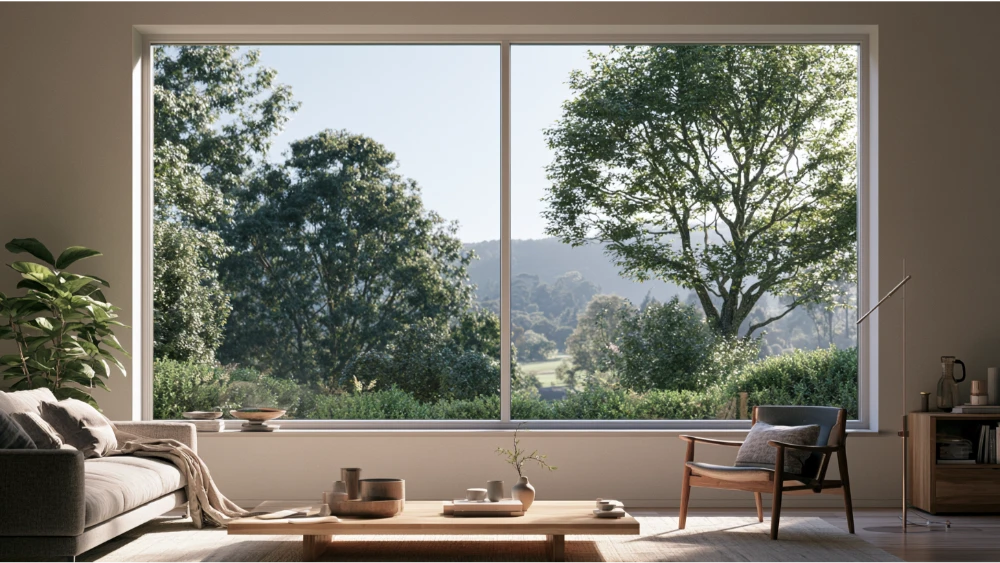
A picture window is a fixed, non-operable window built to frame a view and fill a space with daylight. It doesn’t open. There’s no sash to slide, no crank, no hardware in the way of the glass. That’s the whole idea: maximize the glass surface so you get a clean, uninterrupted look outside and more natural light coming in.
The clean lines suit contemporary homes and minimalist spaces especially well, and they help create a modern aesthetic, but they work in plenty of traditional homes too. Picture windows can go large, well past eight feet wide in the right wall, or be shaped into geometric designs and paired into floor-to-ceiling glass walls. Because they offer expansive glass with slim frames, they bring the outdoors inside better than most window types. The one rule to remember as you read on: fixed means it does not open. Everything else in this guide follows from that.
Picture Window Options vs. Standard Fixed Windows
A “fixed window” is any window that doesn’t open. A “picture window” is a fixed window chosen specifically for the view, the daylight, and the visual impact, usually a larger unit with slim sightlines that put the glass front and center. So a picture window is a type of fixed window, just the version homeowners pick when the goal is unobstructed views and more light. Some standard windows carry thicker frames, while picture window options tend to keep the frame minimal so more of the opening is glass. Beyond that, don’t overthink the labels.
When Large Fixed Windows Are the Right Choice for Maximizing Views
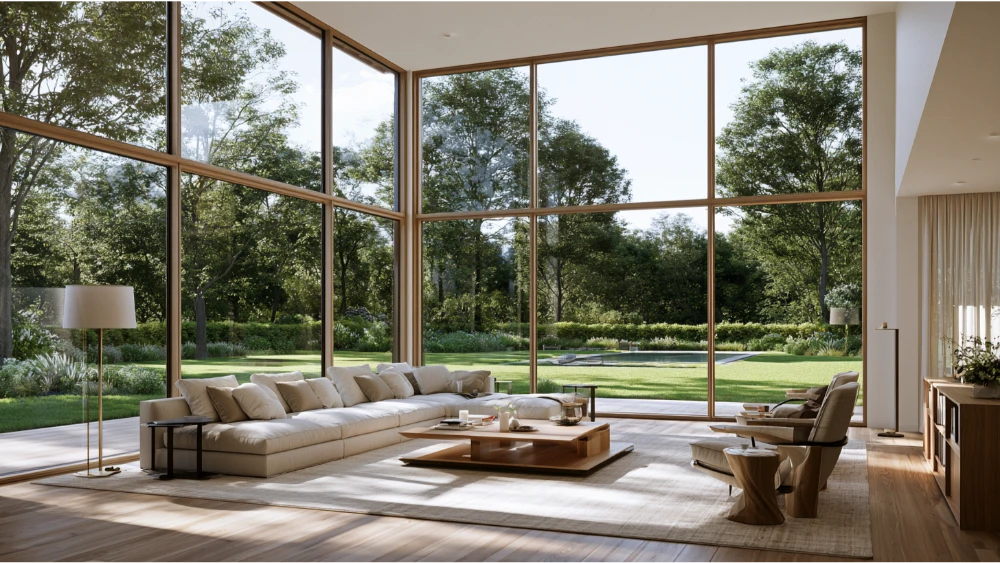
Fixed glass shines when the room’s priority is what you see and how much light you get. Choose a picture window when:
- You want a clear view. No sash or muntin breaking up the scenery, just a scenic view of what’s outside.
- You want more daylight. More glass means more natural light, which cuts your reliance on artificial lighting during the day.
- The window is high or hard to reach. On high walls, a stair landing, or near vaulted ceilings, an opening window is rarely worth the hassle.
- The room already has ventilation elsewhere. If operable windows or your mechanical system move fresh air, this opening doesn’t have to.
- You’re looking to create a focal point. Large fixed windows in a living room or entryway add real drama and curb appeal to your home’s exterior sightlines.
- You want fewer moving parts. No mechanical components means less to maintain over the years.
In these spots, a picture window does exactly what you want and asks very little of you in return. For many homeowners, that combination of stunning views and low upkeep makes fixed glass an excellent choice.
When a Picture Window Is Not the Right Choice
We’d rather tell you upfront when fixed glass is the wrong call. Skip the picture window when:
- The room needs fresh air from that opening. A sealed pane can leave a space feeling stuffy with no air circulation. The EPA notes that inadequate ventilation lets indoor pollutants build up because not enough outdoor air comes in to dilute them.
- The opening must serve as an emergency escape. More on egress below, but fixed glass can’t do this job.
- The glass will be hard to clean safely. Easy cleaning matters, and a big pane you can’t reach becomes a chore or a ladder risk.
- The window faces intense sun. A large pane can pull in real solar heat and glare. That’s manageable with the right glazing and shading, but it’s a factor to plan for.
- Privacy matters. A clear picture window in the wrong spot puts your living space on display.
- You want a window AC unit or to open the window regularly. Neither works with fixed windows, and you lose the option of a cool breeze on a mild day.
Picture Windows, Ventilation, and Egress: What Homeowners Should Know
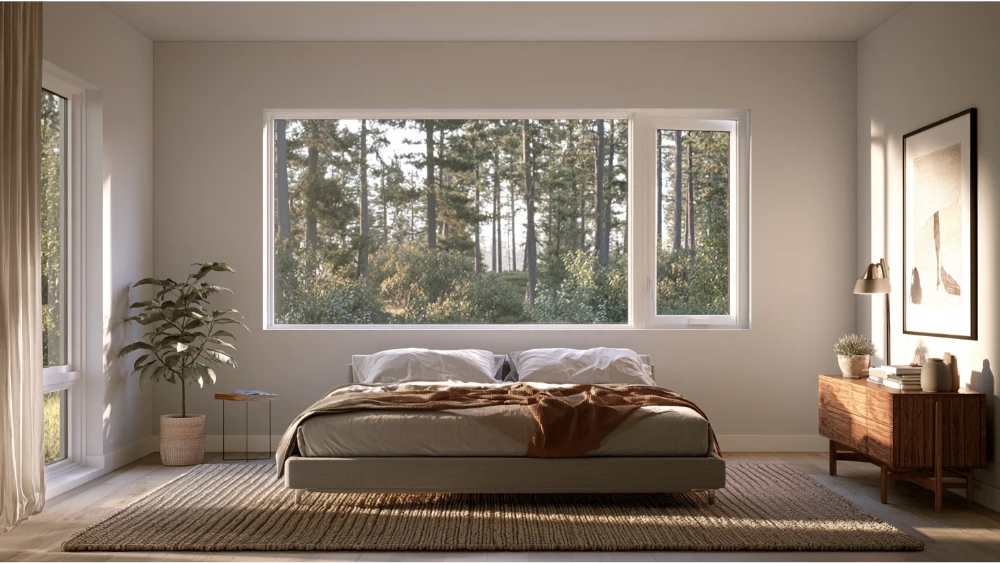
Here’s the part that trips people up. A picture window can’t be the code-required emergency escape opening. Bedrooms, basements, and habitable attics generally need at least one operable escape and rescue opening. Common model-code figures from the IRC call for a minimum net clear opening of 5.7 square feet, roughly 20 inches of clear width, 24 inches of clear height, and a sill no higher than 44 inches above the floor. Those are model numbers. Local jurisdictions can amend them, so always check your local building codes before you finalize a plan for a sleeping space or below-grade room.
There’s an upside to that sealed design, though. Because a fixed pane can’t be opened, it offers a security advantage and a tight seal against drafts. In the right room, that’s a genuine benefit, not a compromise.
Energy Efficiency: Are Picture Windows Energy Efficient?
They can be, and the reason is structural. With no operable sashes, there are fewer gaps where air sneaks through, so a well-made fixed window seals tightly and delivers excellent energy efficiency. Under ENERGY STAR Version 7.0, energy efficient windows need an air leakage rating of 0.3 cfm/ft² or lower, and fixed units are well positioned to hit that. This matters more than it might sound: the U.S. Department of Energy reports that heat gain and heat loss through windows account for 25% to 30% of a home’s heating and cooling energy use, which drives your cooling costs in warm months. ENERGY STAR also finds that upgrading to certified energy efficient windows lowers household energy bills by an average of 12% nationally. That’s an average, not a promise for your specific home, but it shows the stakes for energy efficiency.
The window style alone won’t get you there. Performance depends on the full package. Before you buy, check these:
- U-factor: how well it insulates. Lower is better.
- SHGC: how much solar heat comes through. Lower matters most on sunny rooms.
- VT (visible transmittance): how much sunlight gets through. Higher is what you want in a daylight window.
- Air leakage: how tight the seal is. Lower is better.
- Glass package and frame: the glazing and material do a lot of the work.
- Installation quality: even a great window underperforms if it’s set poorly.
Look for Energy Star® certified products and read the NFRC label, which reports these numbers so you can compare units fairly and make an informed decision. ENERGY STAR criteria vary by climate zone, so confirm the window is certified for where you live.
What the Ratings Mean (Quick Reference)
| Rating | What it tells you | Rule of thumb |
|---|---|---|
| U-factor | How well the window insulates | Lower is better |
| SHGC | Solar heat gain through the glass | Lower for sunny rooms |
| VT | Visible light let through | Higher for daylight |
| Air leakage | How tightly it seals | Lower is better (ENERGY STAR ≤ 0.3 cfm/ft²) |
ENERGY STAR Version 7.0 took effect October 23, 2023, and its targets differ by climate zone, so match the window to your region.
Room-by-Room Guidance: Natural Light in Living Rooms and Beyond
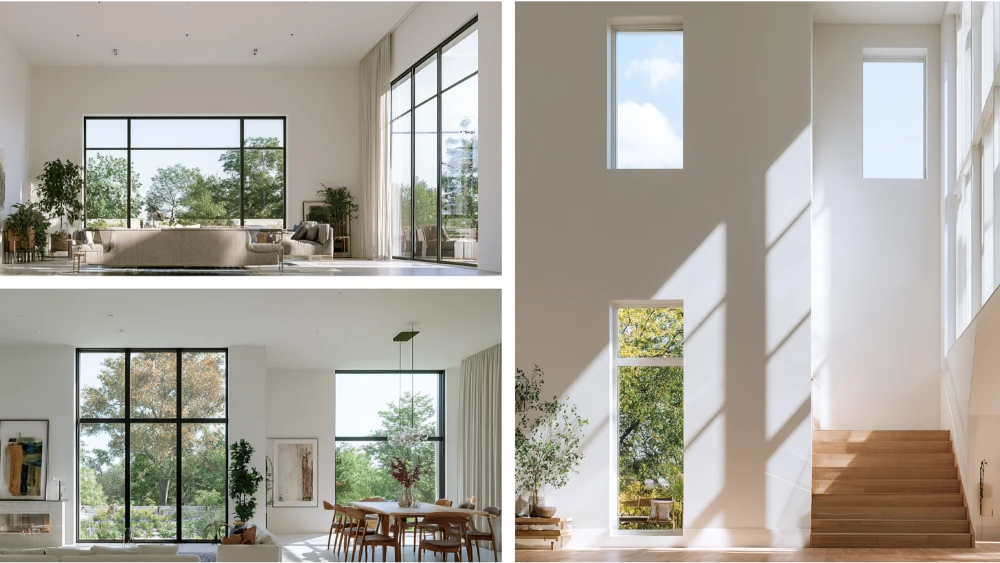
- Living rooms: Strong fit when the view is the priority and airflow comes from elsewhere. Fixed panes turn living rooms into bright, open spaces filled with natural light.
- Dining room: Good choice if ventilation is handled by another opening.
- Stairwell, landing, and vaulted entryways: Ideal. Operation is usually unnecessary, and the glass adds real drama on high walls.
- Bedroom: Only if code-required egress and ventilation are satisfied by other windows in the room.
- Bathroom: Workable with privacy glass and proper exhaust ventilation.
- Kitchen: Great above a sink where reaching a crank is awkward. Pair with operable windows if you want airflow while cooking.
Pairing Fixed Panes With Double Hung Windows and Other Operable Units
Often the best answer isn’t one window, it’s a smart layout. Combining a fixed pane with operable windows gives you the open view and the fresh air. Common combinations:
- Picture window in the center with casement windows on each side.
- Picture window flanked by double hung windows of the same size.
- A fixed transom-style pane above an operable unit.
- A picture window beside a sliding door or an awning window.
You keep the unobstructed sightline where it counts and get ventilation exactly where you need it. Double hung windows are a popular choice here because they open from the top or bottom, which makes them easy to control in almost any space. A casement window swings out for full airflow, and an awning window works well up high, since it opens outward and can stay open during light rain. Mixing different styles is where a good consultation pays off, because the right blend fits both modern and traditional homes.
Aesthetic Appeal and Modern Aesthetic: What to Ask Before Choosing
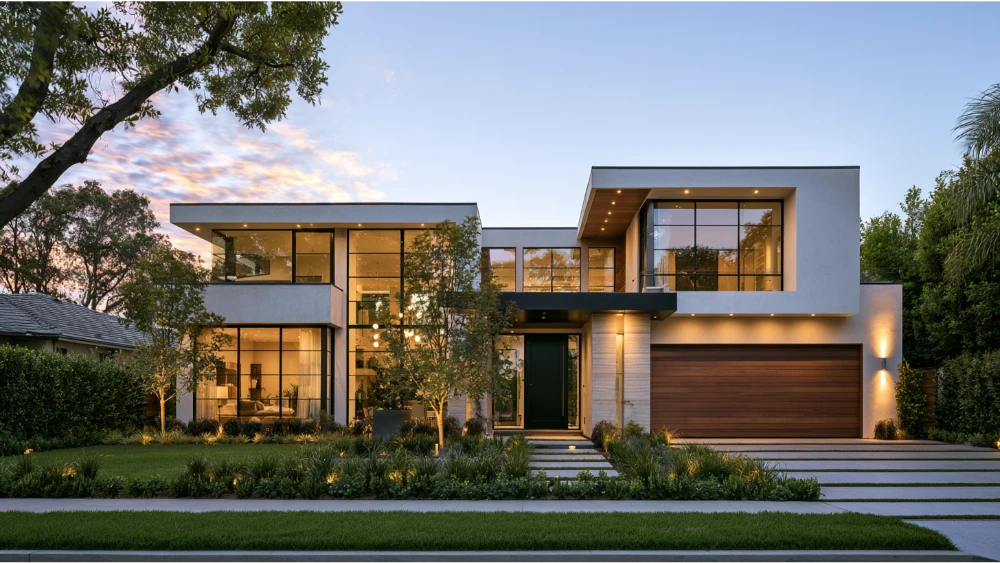
Bring this checklist to your consultation:
- Does this room need the window to open?
- Is this a sleeping room or basement that requires egress?
- What are the U-factor and SHGC?
- Is it Energy Star® certified for my climate zone?
- What’s the air leakage rating?
- What’s the maximum width available for this opening?
- What warranty covers the window, and what separate warranty covers the installation?
- Will the installer preserve my NFRC labels?
- If my home was built before 1978, how will lead-safe work be handled?
Weigh cost effectiveness alongside aesthetic appeal, since the right window should look good and earn its keep. The various window types on the market suit different architectural styles, so match the glass to your home’s character and your specific needs. That last checklist point matters too. The EPA’s RRP Rule covers window replacement in pre-1978 homes whenever paint is disturbed, regardless of square footage, so use a contractor certified for that work. And remember that a high-performing window still depends on precise measurement, correct flashing, and a proper seal. Installing the unit well and getting it installed correctly is as important as the glass itself.
How Elevate Helps You Choose the Right Window Layout
We help you decide whether fixed windows, operable windows, or a combination is right for each room before anything is ordered. That starts with a free consultation and professional measurement, not a sales pitch. We install factory-direct, Energy Star® certified Anlin picture windows, backed by the Anlin Limited Double Lifetime Warranty covering vinyl, glass, hardware, and even accidental glass breakage, plus our own 10-year labor warranty on the installation. Two separate warranties, both working for you. Most window installations take one to two days, depending on project size, and 0% APR financing (OAC, terms reviewed during your consultation) keeps quality manageable. As a Northern California team, we also account for regional codes, energy standards, and climate needs, so the work is done right the first time. That’s quality without compromise and a stress-free process built for peace of mind.
Ready to Find the Right Windows for Your Home?
If you’re weighing fixed glass, operable windows, or a mix, let’s sort it out together. Get a Free Estimate, no commitment required, or book a consultation and we’ll walk your rooms with you. Prefer to start online? Try our window cost estimator, or call us at (916) 202-2282.