Key Takeaway
To choose a window replacement company, verify licensing and insurance, confirm Energy Star certified products matched to your climate zone, and get itemized written quotes from at least three contractors. The manufacturer warranty and the labor warranty are two separate protections, and both should be spelled out before you sign. A trustworthy company never pressures a same-day decision and handles permits on your behalf.
Choose a window replacement company that can prove its experience, product quality, installation process, warranty coverage, and pricing transparency before you sign. The right window replacement company gives you an itemized written quote, installs energy efficient windows matched to your climate, explains manufacturer and labor warranties as two separate things, and never pressures you into a same-day decision. If you’re a homeowner who’s nervous about picking the wrong contractor, this is your calm, stress-free vetting checklist. We’ll walk through the four things worth evaluating when you’re choosing replacement windows: the company, the products, the installation, and the accountability behind the work. Keep two ideas in mind as you read. First, the company matters as much as the window itself. Second, the manufacturer warranty and the labor warranty are not the same thing, and knowing the difference protects you for years.
Why the Company Matters as Much as the Window
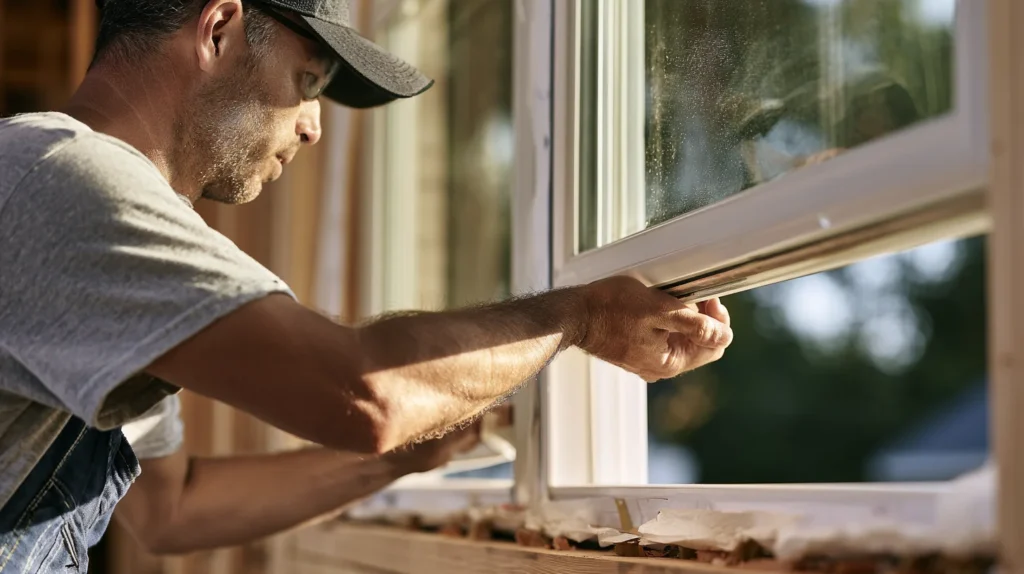
Even a top-rated window underperforms when it’s installed incorrectly. Gaps in flashing or sealing let air slip through, and suddenly the comfort and efficiency you paid for is leaking out the edges. This matters more than most homeowners realize. The U.S. Department of Energy reports that heat gain and heat loss through windows account for 25% to 30% of residential heating and cooling energy use, and windows are responsible for roughly 10% of a building’s total energy use. Get the install right and the payoff is real. Energy Star® certified windows can reduce heating and cooling costs by an average of up to 13% nationwide compared with standard windows. But that number assumes the window is sealed and set correctly. Good installation is what turns a quality product into lasting comfort, better curb appeal, and lower bills. That’s why the crew handling your home deserves as much scrutiny as the glass going into it, and why the right window company is worth the time to vet.
Start With Your Goals Before You Call Any Window Companies
Before you request a single quote, get clear on what you’re actually solving. Naming the problem makes it far easier to compare replacement windows and window installation companies later. Homeowners usually come to us with one or more of these:
- Drafts or cold spots near the windows
- High energy bills, especially in summer
- Windows that stick or won’t open easily
- Condensation or fog between multiple panes
- Outside noise that won’t quit
- A dated look hurting curb appeal
- Prepping the home to sell
These goals are common and worth acting on. In the 2025 NAR Remodeling Impact Report, 19% of homeowners said improving energy efficiency was their main reason for remodeling, and the top outcomes people valued were better functionality and livability (28%), durability (23%), and beauty (23%). After the work was done, 64% reported a greater desire to be in their home. Replacing windows ranks among the most rewarding home improvement projects for exactly these reasons. Decide whether you’re chasing comfort, efficiency, appearance, security, or all of them, then let that guide your questions.
Check Credentials, Insurance, and Local Requirements
Start with the basics the Federal Trade Commission recommends: only consider window replacement companies that are licensed and insured. Verify licensing with your state or county government, and ask for proof of insurance in writing. This protects you if something goes wrong on your property during the job. Checking a company against the Better Business Bureau can also surface how it handles service requests and complaints.
Permit rules vary by location, so ask directly: who pulls the permits? A reputable window replacement company handles this as part of the job. If a contractor asks you to pull the permits, treat it as a warning sign. The FTC lists that as a common tactic among contractors trying to dodge accountability. Licensing and permit requirements differ from one city and county to the next, so a company that knows your area is a genuine advantage. At Elevate Construction & Window Installation, our professional installation team brings 17+ years of experience across Northern California, including familiarity with regional building codes and energy standards like Title 24.
Do You Need a Lead-Safe Certified Contractor for Older Homes?
If your home was built before 1978, this matters for your family’s safety. The EPA’s Renovation, Repair and Painting (RRP) Rule applies to pre-1978 homes whenever paid work disturbs painted surfaces, and firms doing that work must be EPA lead-safe certified. Window replacement is a big one here: the EPA specifically lists it as a covered activity, and it’s always covered regardless of square footage. For most other work, minor-repair thresholds apply (six square feet per room inside, 20 square feet outside), but replacing windows never gets that exemption. So if your home predates 1978, ask whether the company uses certified installers before anyone starts removing old windows.
Ask What Energy Efficient Windows They Install and Why

A good company can name the exact window brand, series, and glass package it plans to install, and explain why that choice fits your climate. Look for energy efficient windows matched to your region. Energy Star® sets a U-factor and, where it applies, Solar Heat Gain Coefficient requirements based on your climate zone, so the right window in one part of the country isn’t automatically right in another. The current Version 7.0 specification took effect on October 23, 2023.
You’ll also want to weigh window styles and frame materials. Vinyl windows are popular for a reason: they hold up well, are low maintenance, and deliver strong energy efficiency at a fair value. Composite windows and wood frame windows are also worth asking about, since each balances looks, upkeep, and cost differently. Ask which frame materials a company favors and why. When you order your new windows, ask for Energy Star® by name, and look for the Energy Star® label for your climate zone right next to the NFRC label on the window. Save both labels once the job is done; they’re your documentation if you ever need it. As a factory-direct representative for Anlin windows, we install Energy Star® certified windows and can walk you through why a specific glass package suits your home. That kind of straight answer is exactly what you want to hear during an estimate.
Choosing Replacement Windows: Comparing Styles and Frame Materials
Different rooms call for different window styles, and the style you pick affects both airflow and energy efficiency. Here are common window options worth knowing as you shop for new windows:
- Double hung windows: Both sashes move, and many models have tilt in sashes, so you can open the top, the bottom, or both. Double hung windows are easy to clean and ventilate well, which makes them a go-to choice across many homes.
- Single hung windows: Similar look to double hung, but only the bottom sash slides. Often a lower-cost pick.
- Casement style windows: Hinged on the side and cranked open. Casement windows seal tightly when closed, which helps with energy efficiency, and they catch a breeze well.
- Sliding windows, picture windows, bay windows, awning windows, transom windows, and garden windows: Each serves a purpose, from wide unobstructed views to extra light and ventilation.
You may see national replacement window brands like Renewal by Andersen, Andersen windows, Marvin windows, Simonton windows, or Window World in your search for the best window replacement companies. Comparing wood windows against vinyl or composite options is smart. What matters most is that the window you choose is Energy Star® certified for your climate and installed correctly. Some coastal buyers also ask about hurricane windows with impact-rated tempered glass, which is a regional consideration rather than a fit for every home. A factory-direct relationship with the manufacturer, like ours with Anlin, means the products and warranties are backed directly rather than passed through several hands.
What Do U-Factor, SHGC, and NFRC Ratings Mean?
These numbers sound technical, but they’re simple once translated. Keep this short glossary handy during any estimate:
- U-factor: how well the window keeps heat in. Lower is better.
- SHGC (Solar Heat Gain Coefficient): how much of the sun’s heat comes through. Lower blocks more heat.
- Air leakage: how drafty the window is. Energy Star® windows and sliding doors must test at or below 0.3 cfm/ft².
The number of panes matters too. A double pane window traps a layer of insulating gas between two sheets of glass, and double pane windows are the everyday standard, while some cold-climate products step up to triple pane glass. The NFRC label rates five things: U-factor, SHGC, air leakage, visible transmittance, and condensation resistance. Because NFRC testing is independent, you can compare one brand’s numbers directly against another’s. Energy Star certified windows qualify based only on U-factor and SHGC. Ask a rep to point to these numbers on the label, and you’ll know exactly how energy efficient the window really is.
Understand the Installation Process
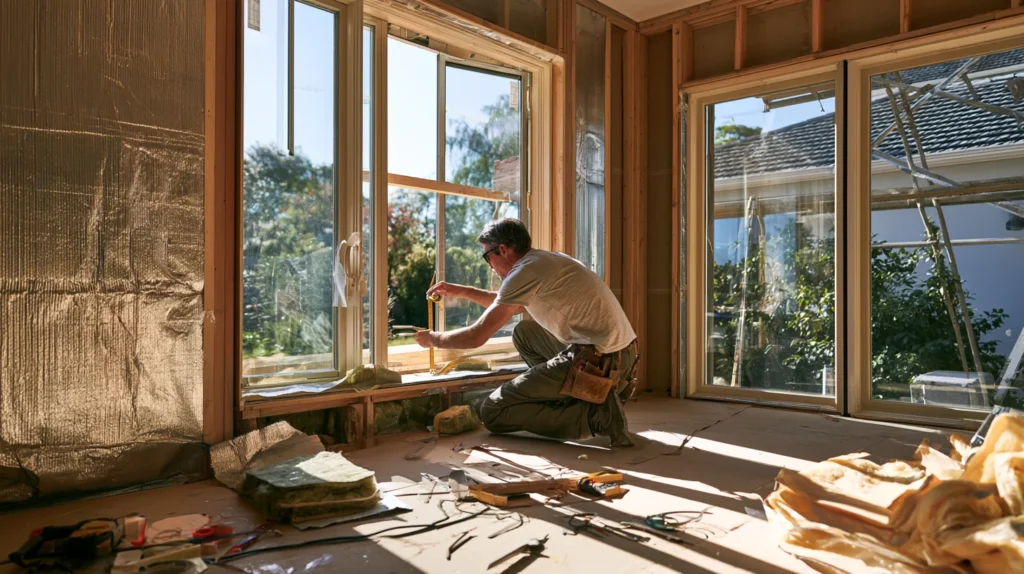
Great products still need great installation, so ask how the crew actually does the work. In plain terms, a quality install includes accurate measuring, proper flashing to direct water away, shimming to set the window level and square, and careful sealing and weatherproofing so no air sneaks through. It also protects the structural integrity of the opening and includes cleanup and disposal of the old windows when they leave. Energy Star® Version 7.0 requires manufacturers to publish installation instructions covering removal, disposal and recycling, flashing, shimming, sealing, and weatherproofing for different scenarios. A window replacement company worth hiring follows those instructions rather than winging it.
It’s also worth asking whether a company uses its own installers rather than subcontracting. Companies that run in house crews tend to have tighter quality control, since the same team is accountable from measurement to final walkthrough. Ask what happens if the crew finds hidden rot or frame damage once the old window is out. A transparent company will stop, show you the problem, and quote the repair before proceeding. Most of our projects wrap in one to two days, and we clean up after ourselves so your home is left in order. Knowing the process ahead of time removes a lot of the stress and helps you spot a crew that cuts corners.
Pocket vs. Full-Frame Window Replacement
You’ll hear two terms, and they’re worth understanding. Pocket (or insert) replacement keeps your existing frame and fits the new window inside it. It’s faster and less invasive when the frame is in good shape. Full-frame replacement removes everything down to the rough opening, which makes sense when the frame is rotted or you’re changing the window’s size or style. You don’t have to decide this alone. Ask which method the company recommends for your home and why. The honest answer depends on the condition of what’s already there, and a good installer will explain the reasoning rather than default to one approach.
Compare Window Replacement Quotes Apples-to-Apples
The FTC’s home-repair guidance recommends getting three written estimates. Three gives you a real sense of fair pricing without turning the process into a part-time job. Each written estimate should describe the work, list the materials, name a completion date, and state the price, including installation costs. And don’t automatically pick the lowest bidder. If one quote comes in far below the others, ask why. A rock-bottom price often means a thinner glass package, a shortcut on installation, or a warranty that barely exists. When quotes vary widely, ask each window company to explain the gap. Comparing bids can feel like a daunting task, but a clear checklist makes it manageable.
The trouble is most quotes aren’t written the same way, so comparing them feels like guesswork. Use the checklist below to line them up side by side.
What Should Be Included in a Window Replacement Quote
The FTC says a contract should include the contractor’s name, address, phone number, license number, estimated start and completion dates, and the promises made about scope, labor, and materials. Beyond that, ask that every quote spell out these items so you’re comparing the same things:
| Quote Item | What to Confirm |
|---|---|
| Window count and style | How many, and which styles (double hung, casement, and so on) |
| Brand, series, glass package | Exact product, not “premium windows” |
| NFRC ratings | U-factor and SHGC listed |
| Frame materials | Vinyl or other, spelled out |
| Installation method | Pocket or full-frame |
| Labor and materials | Itemized, not lumped together |
| Disposal | Old window haul-away included |
| Permits | Who pulls them and the cost |
| Lead-safe work | Required if pre-1978 home |
| Interior/exterior trim | Repair or replacement covered |
| Rot or frame repair | How surprises are handled |
| Warranty coverage | Manufacturer and labor, separately |
| Payment schedule | Deposit and milestones |
| Financing terms | Rate, length, and OAC |
Review the Warranties Before You Sign

This is where a lot of articles get vague, and where a lot of homeowners get burned. There are two separate warranties, and you want both clearly spelled out. Some manufacturers offer a limited lifetime warranty on the product, so read the fine print on what that phrase actually covers.
The manufacturer warranty covers the product itself: the vinyl, the glass, the hardware. The labor or workmanship warranty covers the installation: the sealing, the fit, the work the crew performed. Even one window with a great install can still fail if the product warranty is thin, and a premium window can leak if the labor warranty won’t cover a bad seal. Ask what each one covers, what’s excluded, who processes warranty claims, and whether support continues after the crew drives away.
Here’s how ours breaks down so you can see the distinction. The Anlin Limited Double Lifetime Warranty is the manufacturer warranty, covering the vinyl, glass units, and hardware, including accidental glass breakage. On top of that, Elevate carries a separate 10-year labor warranty on the installation itself. Two protections, clearly defined, and our support doesn’t end when the job does.
Watch for These Red Flags
Trustworthy window replacement companies welcome questions and never rush you. The FTC flags several behaviors that should make you pause:
- Door-to-door offers or “we have leftover materials from a nearby job”
- Pressure to decide on the spot
- Demands for full payment upfront, or cash-only
- Asking you to pull the permits
- Steering you toward one specific lender
- No written quote, or vague product specs like “energy efficient glass”
- No proof of insurance
- Won’t explain the warranty in plain terms
- Financing pushed hard without clear rates or terms
One more protection worth knowing: if you sign a contract in your home rather than at the seller’s regular place of business, the FTC says you have a three-business-day right to cancel. A company that respects you will explain that right, not hide it.
Questions to Ask the Best Window Replacement Companies
Copy this list and take it to every estimate. The answers tell you almost everything and cover the key factors that separate a solid contractor from a risky one:
- Are you licensed and insured, and can I see proof?
- Who pulls the permits?
- Are you EPA lead-safe certified? (Ask if your home predates 1978.)
- Which energy efficient windows do you install, and why for my climate?
- What window styles and frame materials do you recommend, and why?
- Do you use your own crews or subcontractors?
- Do you recommend pocket or full-frame replacement for my home?
- What’s your installation timeline and cleanup process?
- What does the manufacturer warranty cover versus your labor warranty?
- Can I see work from previous customers?
- Is the quote itemized and in writing?
If a company answers these clearly and without dodging, you’re likely in good hands.
A Current Note on Window Tax Credits and Incentives (2026)
Here’s an honest update, because plenty of older articles still get this wrong. The federal Energy Efficient Home Improvement Credit (Section 25C) is not available for property placed in service after December 31, 2025. For 2023 through 2025, the credit was 30% up to a $1,200 annual maximum, with a $600 cap for exterior windows and skylights, and labor costs never qualified. For a new window project in 2026, that federal credit no longer applies.
It’s still worth asking your installer and utility about local or utility-based incentives, which vary by area. And financing can bridge the gap. Elevate offers 0% APR financing on approved credit (OAC), with terms reviewed during your free consultation, so quality doesn’t have to wait.
Why Homeowners Choose Elevate Construction & Window Installation
When you weigh the four things that matter, the company, the products, the installation, and the accountability, our goal is to make each one easy to trust. Elevate Construction & Window Installation brings 17+ years of experience across Northern California and installs Energy Star® certified windows factory-direct from Anlin. On accountability, you get two clear protections: the Anlin Limited Double Lifetime Warranty on the product and our separate 10-year labor warranty on the installation. Add 0% APR financing (OAC) and post-installation care, and the process stays simple and stress-free from the first estimate to the final walkthrough. That’s quality without compromise, built around your peace of mind.
Ready to start? Get a free estimate, no commitment required, or call us at (916) 202-2282 to book a consultation. Let’s get your project started.