Manufacturer vs Installer Warranty Differences: What Homeowners Need to Know Before Hiring a Contractor
When planning a new roof replacement or exterior remodeling project, many homeowners focus on materials, colors, and overall cost. One of the most important details often gets overlooked: the warranty. Understanding manufacturer vs installer warranty differences can help homeowners avoid expensive surprises after a project is complete.
Many homeowners assume one warranty covers every possible issue. In reality, roofing warranties usually involve separate protection for materials and installation. A manufacturer warranty focuses on defects tied to roofing products, while an installer warranty focuses on workmanship and installation quality. Knowing the difference before making a purchase can help homeowners protect their investment and avoid unexpected repair costs later.
A roof is one of the largest investments homeowners make. The right warranty protection helps provide peace of mind if issues arise after the roof is installed. The best warranties offered combine strong materials, quality workmanship, and long-term coverage.
What Is a Manufacturer Warranty?
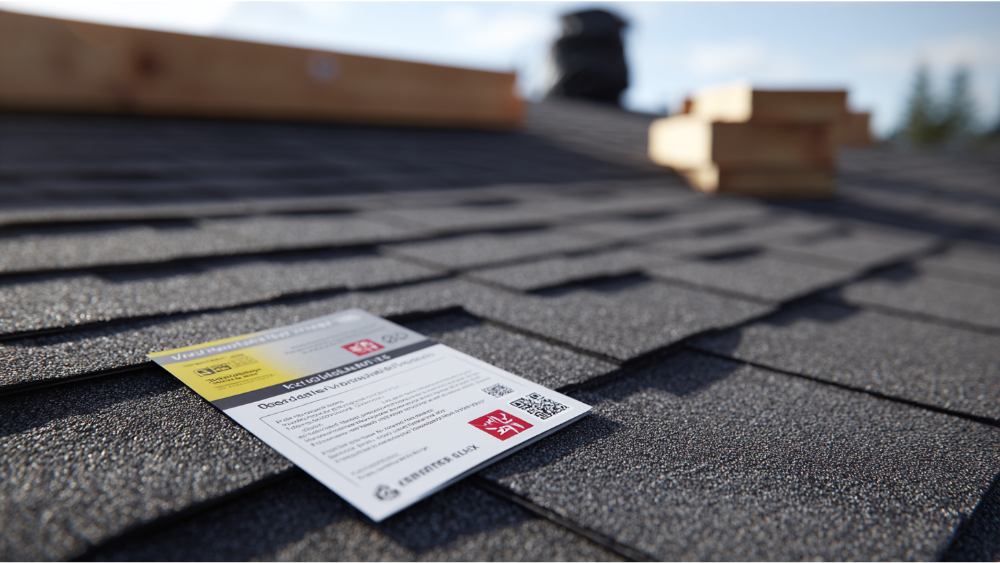
A manufacturer warranty is issued by the manufacturer of the roofing products or exterior materials being installed on the home. This type of warranty covers problems related to manufacturing defects, factory defects, or material defects connected to the manufacturing process.
Most manufacturer warranties focus on roofing shingles and materials instead of labor or installation. If the product fails because of a manufacturer issue, the manufacturer may replace defective materials based on the terms outlined in the warranty.
Common Products Covered by Manufacturer Warranties
A manufacturer warranty often applies to:
- Roofing shingles
- Underlayment
- Ventilation products
- Flashing systems
- Siding materials
- Window products
What Manufacturer Warranties Usually Cover
Most manufacturer warranties cover:
- Manufacturing defects
- Factory defects
- Material defects
- Product performance problems
- Premature deterioration
- Defects in shingles
- Certain necessary repairs tied to covered defects
If a manufacturer issue causes roofing products to fail, the warranty covers approved replacement materials during the coverage period.
Some extended manufacturer warranties also include labor coverage for approved repairs. However, many standard roofing warranties only cover materials and not labor costs.
What Manufacturer Warranties Usually Do Not Cover
A manufacturer warranty usually does not cover:
- Improper installation
- Installation errors
- Wear and tear
- Storm damage
- Improper use
- External factors
- Poor maintenance
- Structural movement
- Damage caused by another contractor
- Workmanship issues
If the roof was not installed according to manufacturer’s guidelines, the warranty may not remain valid. This is why homeowners should review the fine print carefully before signing a contract.
Extended Manufacturer Warranties
Extended manufacturer warranties are available through many roofing manufacturers for an additional cost. These warranties often provide more comprehensive coverage compared to standard plans.
An extended warranty may include:
- Longer coverage period
- Non-prorated protection
- Labor coverage
- Tear off costs
- Disposal costs
- Coverage for labor required during repairs
- Enhanced protection against defects
Some extended manufacturer warranties require a certified installer to complete the installation process. If certain standards are not followed during installation, warranty coverage could become void.
What Is an Installer Warranty?
An installer warranty is provided directly by the contractor who completes the work. This warranty focuses on workmanship and installation quality instead of manufacturing defects.
Even premium shingles can fail if improperly installed. A workmanship warranty helps protect homeowners if issues arise because of installation errors or workmanship problems.
An installer warranty may also be called:
- Workmanship warranty
- Installation warranty
- Contractor warranty
The installer warranty covers problems connected to the contractor’s work rather than the manufacturer of the materials.
What an Installer Warranty Typically Covers
An installer warranty commonly covers:
- Installation errors
- Workmanship issues
- Improper flashing
- Leak repairs
- Incorrect fastening
- Water intrusion caused by installation
- Labor required to fix workmanship defects
- Necessary repairs tied to workmanship
If a leak occurs because shingles were improperly installed, the installer warranty may cover repairs and labor costs associated with correcting the issue.
Some contractors offer longer workmanship warranty protection because they are confident in the quality work completed by their crews.
What Installer Warranties Usually Exclude
Most installer warranty plans do not cover:
- Manufacturing defects
- Factory defects
- Wear and tear
- Storm damage
- External factors
- Improper use
- Damage caused by another contractor
- Product defects
- Material failure unrelated to workmanship
The coverage provided depends heavily on the contractor and the exact warranty terms included in the contract.
How Long Does an Installer Warranty Last?
The coverage period for an installer warranty varies significantly between contractors. Some contractor warranties provide only one year of workmanship coverage. Others provide lifetime workmanship protection.
Some contractors offer:
- 1-year installation warranty
- 5-year workmanship warranty
- 10-year workmanship warranty
- Lifetime installer warranty
A shorter duration warranty does not always mean poor quality, but homeowners should still ask detailed questions about coverage and the claim process.
Manufacturer Warranty vs Installer Warranty: The Biggest Difference

The biggest difference between these warranty types is what they actually cover.
A manufacturer warranty protects the materials and roofing products themselves. An installer warranty protects against workmanship and installation issues caused by the contractor.
Manufacturer Warranty
A manufacturer warranty:
- Covers manufacturing defects
- Covers defective shingles
- Focuses on materials
- Is issued by the manufacturer
- May include prorated coverage
- May offer extended warranty options
- Often lasts longer
Installer Warranty
An installer warranty:
- Covers installation errors
- Covers workmanship issues
- Is issued by the contractor
- Focuses on labor and installation
- Helps cover repairs tied to workmanship
- May have a shorter duration
- Can help homeowners avoid paying the full cost of repairs
Both types of warranty protection matter because they address different aspects of a roofing project.
Why Homeowners Need Both Types of Warranty Coverage
A new roof depends on both quality materials and proper installation. Even the best shingles can fail if improperly installed. Quality installation also cannot fully overcome defective materials.
Many homeowners assume one warranty covers everything, but that is rarely the case. Roofing warranties work best when both the manufacturer warranty and installer warranty work together.
Strong warranty coverage can help:
- Reduce repair costs
- Cover labor costs
- Replace defective materials
- Provide peace during unexpected issues
- Protect the roof investment
- Help homeowners avoid major out-of-pocket repairs
Comprehensive coverage is especially important for larger roofing projects because the cost of repairs can become significant if problems develop after installation.
Common Warranty Misunderstandings

Many homeowners misunderstand roofing warranties because warranty language can be confusing. Reading the fine print matters.
“Lifetime” Does Not Always Mean Lifetime
The word lifetime sounds impressive, but lifetime roofing warranties often contain limitations.
Some lifetime warranties:
- Become prorated coverage after several years
- Exclude labor costs
- Only apply to certain defects
- Have transfer restrictions
- Limit the coverage period under certain conditions
A non-prorated warranty generally provides stronger value during the early years of ownership.
Labor Costs May Not Be Included
One of the biggest surprises homeowners face during a warranty claim is learning that labor costs are excluded.
Some manufacturer warranty plans only replace defective shingles while leaving homeowners responsible for:
- Tear off cost
- Disposal fees
- Labor required
- Installation cost
- Accessory replacement
This is why many homeowners choose an extended warranty with labor coverage included.
Improper Installation Can Void Coverage
Improper installation is one of the leading reasons roofing warranty claims get denied.
If the contractor does not follow manufacturer’s guidelines or installation requirements, the manufacturer may reject the claim entirely.
Common installation problems include:
- Incorrect ventilation
- Improper flashing
- Fastener mistakes
- Incorrect shingle placement
- Poor underlayment installation
This is why choosing an experienced installer matters just as much as selecting quality materials.
Warranty Registration Matters
Some roofing warranties require registration after purchase. Missing registration deadlines can affect coverage provided by the manufacturer.
Homeowners should ask:
- Who handles registration?
- Does the warranty remain valid after transfer?
- Is a professional inspection required?
- Are there maintenance requirements?
Questions Homeowners Should Ask Before Signing a Contract
Before hiring a contractor for a new roof, homeowners should ask detailed questions about every warranty included in the project, and consider whether they also need a designer, contractor, or design-build firm for their remodel.
Questions About Manufacturer Warranty Coverage
Ask the contractor:
- Which manufacturer warranty comes with the roof?
- Is the warranty transferable?
- Does the warranty cover labor costs?
- Is there an extended warranty option?
- Is prorated coverage included?
- What defects are covered?
Questions About Installer Warranty Coverage
Homeowners should also ask:
- How long does the installer warranty last?
- What workmanship issues are covered?
- What repairs are excluded?
- What happens if issues arise later?
- Is leak repair included?
- What is the claim process?
Questions About the Contractor
Choosing the right contractor matters because contractor quality directly impacts installation quality and long-term roof performance.
Ask:
- Are you a certified installer?
- Do you follow manufacturer’s guidelines?
- How long have you installed roofing systems?
- What workmanship warranty do you provide?
- Can I review the fine print before purchase?
Why Choosing the Right Contractor Matters

The quality of the contractor often determines whether the roof performs properly long term.
Some contractors offer attractive pricing but use shortcuts during installation. Poor workmanship can lead to:
- Roof leaks
- Premature repairs
- Voided manufacturer warranty coverage
- Additional cost for homeowners
- Shingle failure
- Water damage
A reliable installer focuses on:
- Quality work
- Proper installation process
- Manufacturer compliance
- Roof protection
- Long-term performance
- Clear communication
The best contractors explain the difference between warranty types clearly so homeowners understand exactly what protection they are receiving.
Signs of a Reliable Roofing Contractor
A trustworthy contractor should provide:
- Written warranty documentation
- Clear workmanship warranty terms
- Proper licensing and insurance
- Strong local reviews
- Experience with roofing products
- Professional inspection procedures
- Knowledge of manufacturer’s guidelines
Reliable contractors also explain what issues are covered under each warranty and what situations could void coverage.
How Elevate Helps Homeowners Protect Their Investment
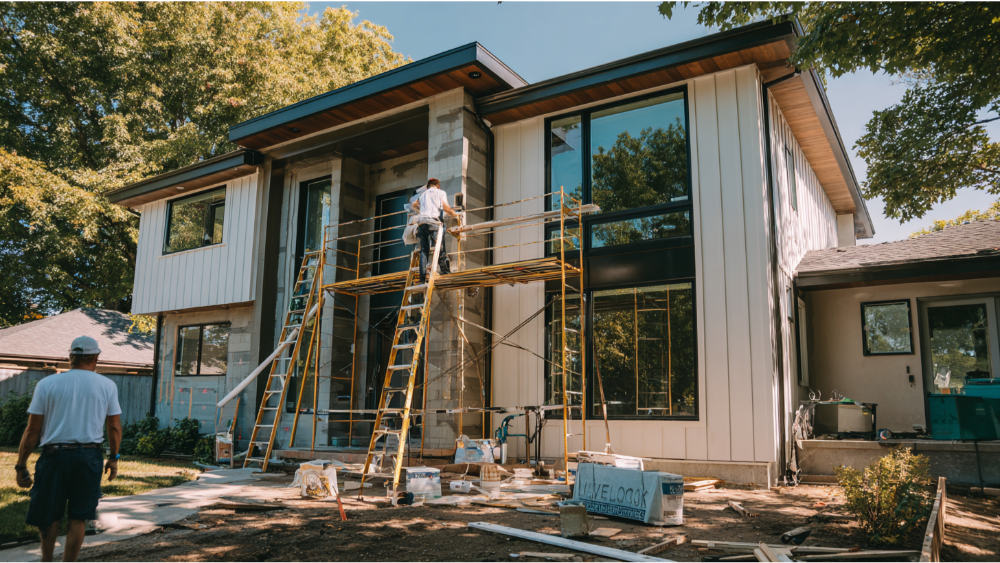
At Elevate, we believe homeowners deserve clear answers about roofing warranties before making a purchase. Our team focuses on helping homeowners understand the difference between manufacturer warranty coverage and installer warranty protection.
We use quality roofing products that meet certain standards for durability and performance. Our installation teams follow proper installation methods to help warranties remain valid long term.
Our goal is to provide:
- Quality workmanship
- Clear warranty explanations
- Reliable roof installation
- Long-term protection
- Honest communication
- Professional support during the claim process
A roof replacement is a major investment. Choosing the right contractor and understanding the warranty details can help homeowners feel confident about the protection attached to their new roof.
Key Takeaways
Key Takeaways About Manufacturer Warranty Coverage
A manufacturer warranty covers defects tied to the manufacturing process. Most manufacturer warranties focus on roofing products and materials. Extended manufacturer warranties may include labor coverage. Improper installation can void coverage. Lifetime warranties may contain prorated coverage limitations.
Key Takeaways About Installer Warranty Coverage
An installer warranty focuses on workmanship and installation quality. Workmanship warranty coverage protects against installation errors. Contractor warranties vary widely between companies. A strong installer warranty can help cover repairs and labor costs. Quality installation helps the roof perform properly over time.
Frequently Asked Questions
What is the difference between a manufacturer warranty and an installer warranty?
A manufacturer warranty covers defects in roofing materials and shingles. An installer warranty covers workmanship and installation errors caused by the contractor.
Does a manufacturer warranty cover installation mistakes?
No. Most manufacturer warranty plans do not cover improper installation or workmanship issues.
Can improper installation void a roofing warranty?
Yes. If roofing products are not installed according to manufacturer’s guidelines, the manufacturer may deny the warranty claim.
What does a workmanship warranty cover?
A workmanship warranty covers installation issues, leak repairs, labor required, and workmanship defects caused by the installer.
Why are extended manufacturer warranties important?
Extended manufacturer warranties may provide more comprehensive coverage, including labor costs, tear off expenses, and non-prorated protection.
What should homeowners look for in roofing warranties?
Homeowners should review:
- Coverage period
- Labor coverage
- Fine print
- Claim process
- Coverage exclusions
- Transfer rules
- Extended warranty options
Final Thoughts
Understanding manufacturer vs installer warranty differences is essential before investing in a new roof. Both warranties play an important role in protecting homeowners from unexpected repairs, defects, and installation problems.
The manufacturer provides coverage for defective materials and manufacturing defects. The installer provides workmanship warranty protection connected to installation quality and labor.
Before making a purchase, homeowners should carefully review:
- Coverage period
- Fine print
- Labor costs
- Installation warranty details
- Extended warranty options
- Claim process requirements
- Coverage exclusions
The right contractor will explain every warranty clearly and help homeowners choose roofing warranties that match their goals, budget, and long-term protection needs.
When quality materials, proper installation, and strong warranty protection work together, homeowners can feel confident their roof is built to last.