Siding Replacement Inspection Checklist: What Homeowners Should Look For Before Problems Get Worse
Your siding is one of the most important parts of your home’s exterior. It acts as a protective barrier against rain, wind, temperature swings, moisture, and other damaging elements that can impact your property over time. A proper siding replacement inspection checklist helps homeowners identify early warning signs before minor issues become expensive repairs or structural damage.
Most homeowners focus on curb appeal when they think about siding, but the condition of your siding also affects energy efficiency, insulation, moisture protection, and the long-term durability of your home. Regular inspections help protect your investment and reduce the risk of major repairs later.
This siding replacement inspection checklist explains what homeowners should inspect, common signs of siding damage, when repairs may be enough, and when replacement may be the perfect solution for protecting your property.
Why Regular Siding Inspections Matter
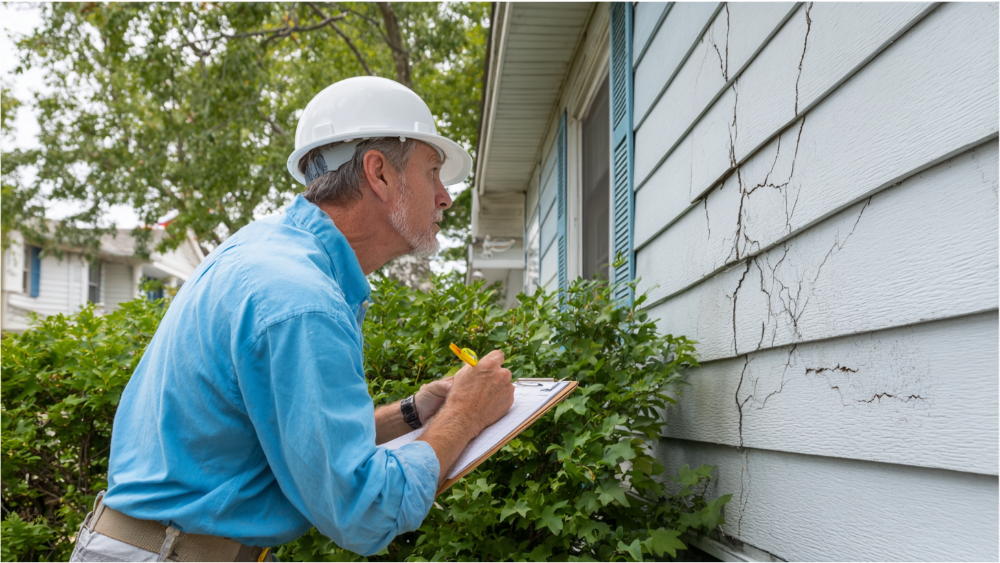
Your Siding Protects More Than Curb Appeal
Your siding protects the structure of your home from moisture intrusion, mold, mildew, rot, pests, and severe weather. Whether your home has vinyl siding, wood siding, or fiber cement siding, the materials installed around your property play a major role in long-term performance and protection.
When siding begins to fail, water can move behind the walls and create hidden moisture damage. Over time, this can impact insulation, heating efficiency, interior paint, and even structural components of the building.
A siding inspection checklist allows homeowners to stay ahead of small issues before they create further damage. Routine inspections and professional inspections are essential for maintaining siding in good condition and protecting the home’s exterior.
How Often Should Siding Be Inspected?
Most homeowners should perform routine inspections at least once a year. Professional inspections are also recommended after hail storms, high winds, heavy rain, impact damage, falling debris, or severe temperature swings.
Regular inspections are especially important for homes exposed to moisture, strong sunlight, or changing weather conditions. Home inspections often reveal siding damage that homeowners may not notice during day-to-day maintenance.
Common Causes of Siding Failure
Several conditions can cause siding damage over time, including moisture, rot, cracks, loose panels, poor siding installation, aging materials, nail failure, storm damage, and poor maintenance.
Without timely repairs, small problems can spread quickly and create major repairs throughout the structure of the home.
Complete Siding Inspection Checklist
Look for Cracks, Holes, and Surface Damage
One of the most important parts of a siding inspection checklist is checking for visible cracks, holes, peeling paint, and impact damage. Walk around the property and inspect the siding panels carefully.
Look for cracks in vinyl siding, holes in wood siding, loose panels, broken panels, chipped paint, black streaks, green patches, or visible surface damage caused by storms or debris.
Even small cracks can allow moisture behind the siding and create trouble beneath the surface. Cracks and holes allow moisture intrusion into the walls and structure of the home. Once water enters behind siding panels, mold, mildew, rot, and structural damage can develop quickly.
Regular inspections help homeowners identify siding damage before replacement becomes necessary.
Check for Warping, Buckling, or Loose Panels
Loose panels are a major warning sign that siding repairs may be needed. During your siding inspection checklist, inspect all panels for loose siding, warped siding panels, buckling, gaps at seams, uneven lines, or panels separating from walls.
Loose vinyl siding or loose wood siding can expose the property to moisture and leaks. Warping and loose panels often result from moisture damage, poor siding installation, nail placement issues, temperature swings, aging materials, or severe weather.
When panels pull away from the home’s exterior, water can enter behind the protective barrier and damage the structure underneath.
Inspect for Rot, Soft Spots, or Moisture Damage
Certain areas of the property are more vulnerable to moisture and rot. During your inspection checklist, inspect around windows, doors, roof intersections, gutters, ground-level siding, and deck connections.
Wood siding is especially vulnerable to moisture damage and rot when maintenance is neglected.
Common signs include soft spots, rot, peeling paint, bubbling paint, mold, mildew, moisture stains, swollen panels, leaks around windows, or surface discoloration. Moisture intrusion behind siding can weaken walls and create major repairs if left untreated.
Examine Caulking, Flashing, and Seams
A complete siding inspection checklist should include all seams and transitions around the home’s exterior.
Inspect caulking around windows, flashing near the roof, seams around doors, loose materials, cracked caulk, missing sealant, or exposed nail penetrations.
Loose seams and failed flashing often create hidden moisture problems inside the walls. Flashing directs moisture away from the structure. If flashing fails, water can move behind siding panels and damage insulation, wood framing, and interior paint.
Many homeowners do not realize siding damage exists until mold, peeling paint, or leaks appear inside the home.
Look for Mold, Mildew, Green Patches, and Black Streaks
Mold and mildew often appear in shaded areas where moisture remains trapped against the siding. Inspect for green patches, black streaks, peeling paint, mildew stains, or surface discoloration.
Some mold or mildew can be cleaned during routine siding maintenance. However, persistent growth may indicate moisture intrusion, rot behind panels, poor drainage, failing seams, or hidden structural damage.
Routine inspections and maintenance help homeowners stay ahead of moisture-related siding damage.
Check for Fading, Peeling, and Weathering
Older siding materials often fade after years of exposure to sunlight and weather elements. During your inspection checklist, inspect for peeling paint, cracks, dry surface texture, faded vinyl, chipped paint, brittleness, or loose panels.
Peeling and fading may indicate the siding is no longer in good condition. Curb appeal matters, but appearance problems can also signal deeper siding damage. Aging siding panels may become more vulnerable to cracks, moisture, and impact damage over time.
If your property has widespread fading, peeling, or loose panels, replacement may provide better long-term protection.
Inspect Gutters, Drainage, and Ground Contact
Moisture is one of the leading causes of siding repairs and replacement. During your siding inspection checklist, inspect gutters, downspouts, roof drainage, standing water, ground clearance, and sprinkler overspray.
Improper drainage can create rot, mold, mildew, and moisture damage around the home’s exterior.
Good siding maintenance practices help protect siding materials and extend lifespan. Keep gutters clean, direct water away from the property, remove debris, trim landscaping, avoid direct moisture exposure, and inspect seams regularly.
Regular inspections and clean drainage systems help reduce further damage.
Look for Interior Signs of Siding Damage
Not all siding damage appears outside the home. During home inspections, homeowners should also inspect interior areas for peeling paint, water stains, drafts near windows, moisture smells, mold growth, heating inefficiency, or soft walls, and consider whether energy-efficient window replacement and installation could help improve comfort and reduce drafts.
These signs may indicate moisture intrusion behind siding panels. Once moisture enters behind siding, it can spread into insulation, wood framing, and drywall. Over time, moisture damage may weaken the structure and create expensive repairs throughout the property.
Timely repairs can help homeowners avoid larger replacement projects later.
Watch for Pest Damage and Rot
Pests often target areas with moisture damage or loose siding panels. Inspect for holes, rot, loose wood, insect activity, nesting debris, or damaged materials.
Pests can weaken the structure and create additional trouble behind the siding. Moisture creates ideal conditions for pests, mold, and mildew. Wood siding affected by rot is especially vulnerable to insects and further damage.
Routine inspections and siding maintenance help protect the property from long-term deterioration.
Should You Repair or Replace Your Siding?
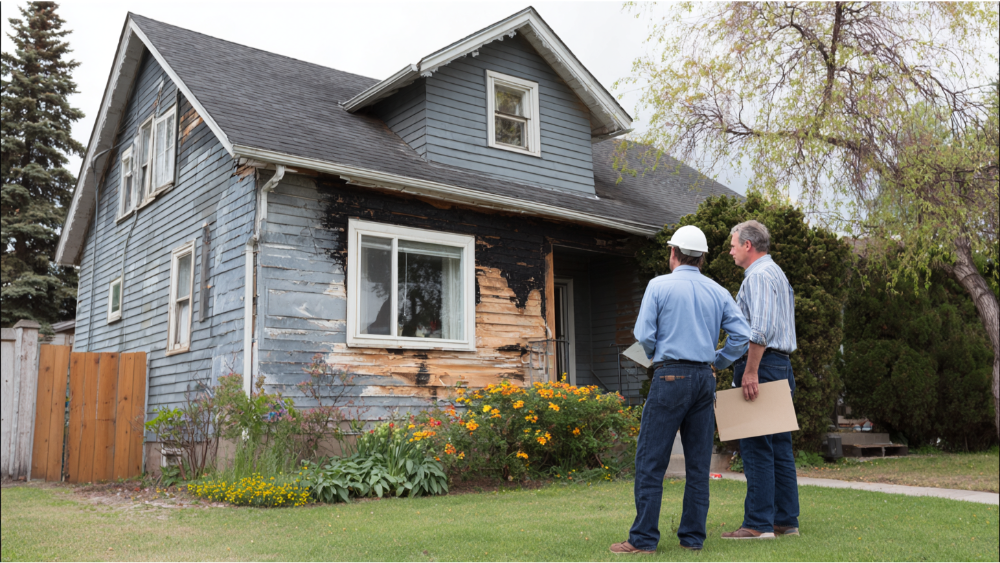
When Repairs May Be Enough
Some siding repairs may be appropriate if damage is isolated, panels remain in good condition, moisture intrusion is limited, cracks are small, or loose panels are minimal.
Timely repairs can extend the lifespan of siding and help homeowners avoid unnecessary replacement costs.
When Replacement Is the Better Option
Full replacement may be recommended when moisture damage is widespread, rot affects multiple walls, cracks appear throughout the property, panels are loose in several areas, mold problems continue, or siding materials are aging.
New siding can improve curb appeal, energy efficiency, moisture protection, and long-term property value.
Cost vs Long-Term Investment
New siding is a valuable investment for homeowners because it helps protect the home’s exterior, improve insulation, reduce heating costs, increase curb appeal, and reduce future repairs.
Modern vinyl siding, fiber cement siding, and engineered wood siding are designed for improved durability and long-term maintenance performance.
What Happens During Professional Inspections?
Exterior Inspection Process
Professional inspections include a complete inspection checklist covering cracks, loose panels, moisture damage, rot, mold, flashing, roof intersections, windows, doors, and drainage systems.
Construction professionals inspect the entire structure for visible and hidden siding damage.
Moisture and Structural Evaluation
Professional inspections also evaluate moisture intrusion, interior walls, insulation concerns, structural damage, nail placement, and loose seams.
This process helps identify whether repairs or replacement are the better solution for the property.
Material Recommendations
During the inspection process, homeowners may review siding materials such as vinyl siding, fiber cement, wood siding, or composite siding.
The perfect solution depends on budget, maintenance expectations, durability goals, and curb appeal preferences.
Best Siding Materials for Long-Term Protection
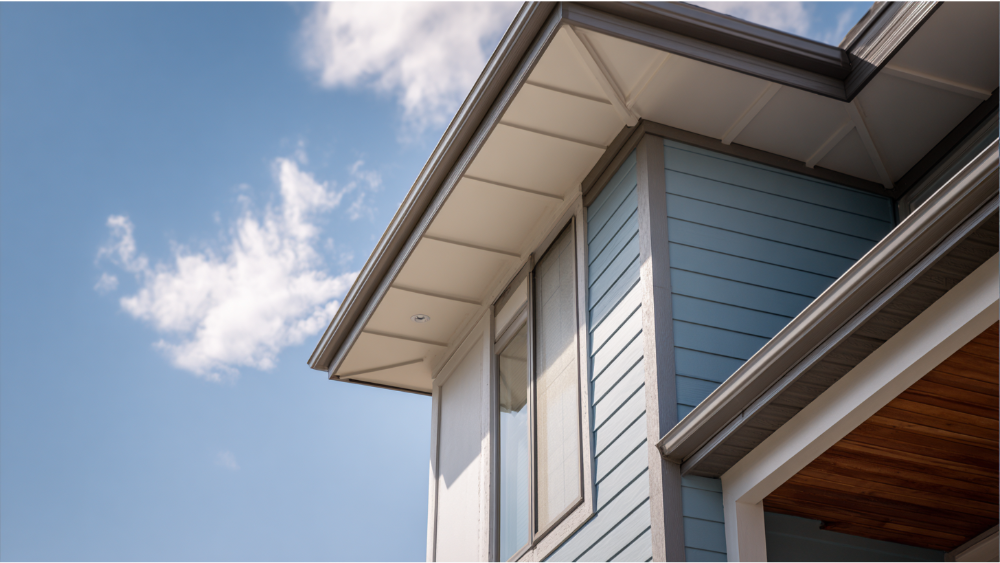
Vinyl Siding
Vinyl siding remains one of the most popular options for homeowners because it offers low maintenance, affordable replacement costs, moisture resistance, easy cleaning, and strong curb appeal.
Modern vinyl products also improve energy efficiency and insulation performance.
Fiber Cement Siding
Fiber cement siding offers strong durability, moisture resistance, fire resistance, long lifespan, and excellent curb appeal.
Fiber cement products are often chosen for long-term protection and reduced maintenance needs.
Wood Siding
Wood siding creates a natural appearance and timeless curb appeal. However, wood requires regular maintenance and routine inspections to help prevent rot, cracks, mold, moisture damage, and peeling paint.
Proper siding maintenance helps wood siding remain in good condition for many years.
How to Prevent Future Siding Problems
Routine Siding Maintenance Tips
Consistent siding maintenance helps homeowners stay ahead of costly repairs.
Recommended maintenance practices include regular inspections, cleaning siding panels, removing debris, inspecting seams, monitoring moisture, inspecting around windows and doors, and checking roof drainage.
Maintenance is one of the best ways to protect siding and reduce future replacement costs.
Protecting the Home From Moisture
Moisture control is critical for protecting siding materials and the structure underneath.
Keep gutters clean, maintain proper ground drainage, trim landscaping, redirect sprinklers, inspect roof runoff, and monitor walls for leaks.
Reducing moisture exposure helps prevent mold, mildew, rot, and further damage.
Why Professional Siding Installation Matters
Even high-quality siding materials can fail without proper siding installation.
Professional construction teams help ensure proper nail placement, secure panels, correct seams, moisture protection, and long-term durability.
Professional inspections and expert siding installation help homeowners protect their investment.
Why Homeowners Trust Elevate Construction Group
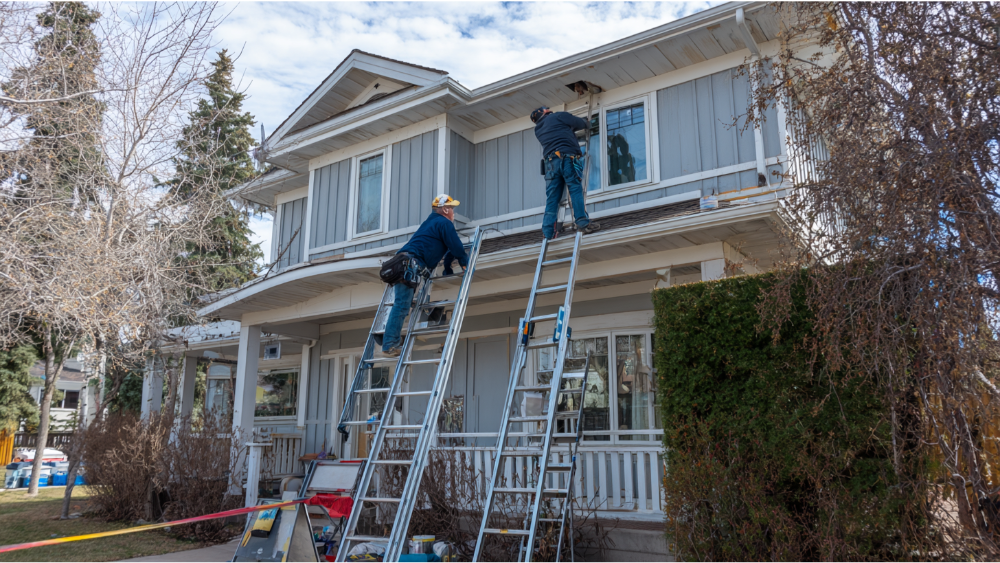
Experienced Construction Professionals
Elevate Construction Group provides experienced siding inspection, repairs, and replacement services for homeowners looking to protect their property and improve curb appeal.
Our construction team focuses on craftsmanship, communication, and long-term performance.
High-Quality Siding Materials
We install durable siding materials designed for long-term protection against moisture, weather, and exterior damage.
Whether homeowners prefer vinyl siding, fiber cement siding, or engineered wood siding, we help create the perfect solution for every property.
Honest Recommendations and Free Consultation
Every home is different. Our team provides honest inspection findings, professional recommendations, and a free consultation to help homeowners make informed decisions about repairs or replacement.
We focus on helping homeowners stay ahead of costly siding damage before it leads to structural problems.
FAQs About Siding Inspection and Replacement
How often should homeowners inspect siding?
Most homeowners should perform regular inspections at least once a year and after severe weather events.
What are the most common signs of siding damage?
Common signs include cracks, loose panels, peeling paint, mold, mildew, moisture damage, rot, and leaks around windows or doors.
Can moisture damage spread behind siding?
Yes. Moisture intrusion behind siding panels can create mold, mildew, rot, insulation damage, and structural damage inside the walls.
Is vinyl siding easier to maintain than wood siding?
Vinyl siding generally requires less maintenance than wood siding because it resists moisture and does not require frequent paint applications.
When is replacement better than repairs?
Replacement is often recommended when siding damage is widespread, moisture problems continue, or multiple panels are loose or deteriorating.
Why are professional inspections important?
Professional inspections help identify hidden trouble areas, moisture damage, and structural concerns that homeowners may overlook during routine home inspections.
Final Thoughts
A complete siding replacement inspection checklist helps homeowners identify siding damage before small problems create expensive repairs. Regular inspections, proper maintenance, and timely repairs can help protect your home’s exterior from moisture, mold, rot, and structural damage.
Whether your property has vinyl siding, fiber cement siding, or wood siding, routine inspection and maintenance play a major role in long-term performance and curb appeal.
If you have noticed cracks, loose panels, peeling paint, moisture damage, mold, or other signs of siding trouble, Elevate Construction Group is here to help.
Contact our team today to schedule your free consultation and learn more about the best siding replacement solution for your property.