What Materials Last Longest for Exterior Doors?
Understanding what materials last longest for exterior doors is one of the most important decisions in modern construction and remodeling. Exterior doors are high-performance systems that affect energy efficiency, home security, curb appeal, and long-term durability. The right exterior door material determines how long doors last, how often door replacement is needed, and how well entry doors perform under constant stress from weather, temperature swings, and everyday wear.
At Elevate Construction Group, we evaluate doors based on real-world performance, not just appearance. Exterior doors are exposed to direct sun, moisture, and extreme weather conditions daily. That means material selection matters just as much as professional installation and the quality of the door frame and reinforced frames supporting the system.
When homeowners ask what materials last longest for exterior doors, the answer depends on climate, usage, and maintenance expectations. Fiberglass doors, steel doors, composite door systems, and wood doors all perform differently in long-term exterior applications. This guide breaks down how each door material performs so you can choose the right exterior door for your home’s style, durability needs, and energy efficiency goals.
Why Exterior Doors Are One of the Most Important Systems in a Home
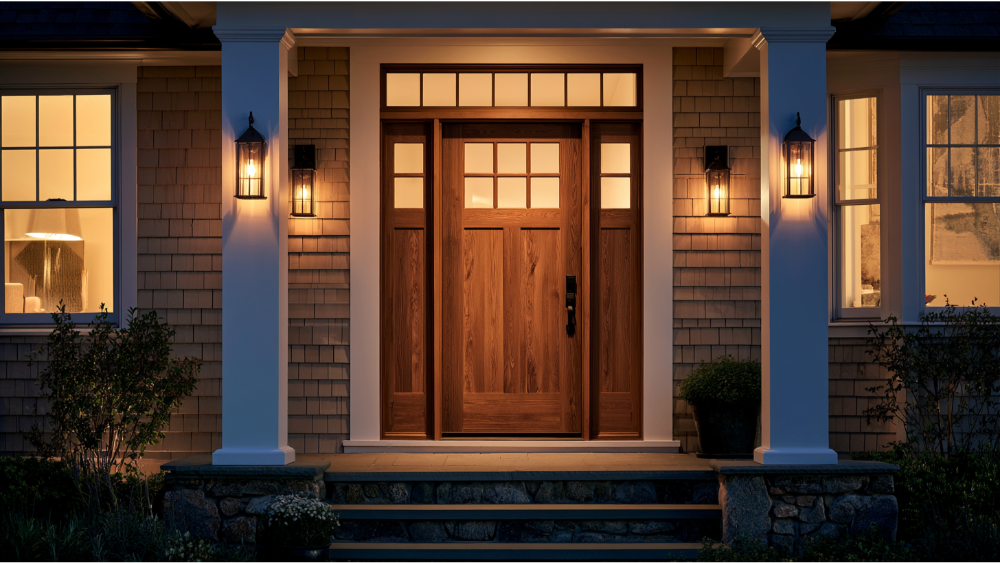
Exterior doors are not just entry points. They are complete building systems that impact energy efficiency, home security, insulation performance, and structural integrity. Poor-performing exterior doors can lead to higher energy bills, air leakage, and unnecessary HVAC system strain.
Entry doors must withstand constant stress from weather resistance demands, including direct sun, moisture exposure, and temperature swings. Unlike interior doors, exterior doors are exposed to environmental forces 24/7, which makes material selection critical.
A high-quality exterior door with a tight seal improves energy efficiency and reduces heat transfer. That directly impacts indoor comfort and long-term operating costs. Many homeowners underestimate how much energy loss occurs through outdated or poorly installed entry doors.
The Longest-Lasting Exterior Door Materials in 2026
When comparing exterior door material options, four categories dominate performance discussions: fiberglass doors, steel doors, wood doors, and composite door systems. These materials define how long doors last and how often homeowners need door replacement.
Fiberglass doors are widely considered one of the most balanced solutions for residential exterior doors. Steel doors and steel exterior doors are known for strength and security. Wood doors, including solid wood doors and wood entry doors, offer natural beauty but require more maintenance. Composite door systems combine engineered materials for improved durability and energy efficiency.
The best exterior door depends on balancing maintenance, weather resistance, and long-term performance. Fiberglass and steel continue to lead in modern construction due to minimal maintenance and strong insulation performance.
Fiberglass Doors, Steel Doors, and Wood Doors Compared
Fiberglass Doors for Long-Term Performance
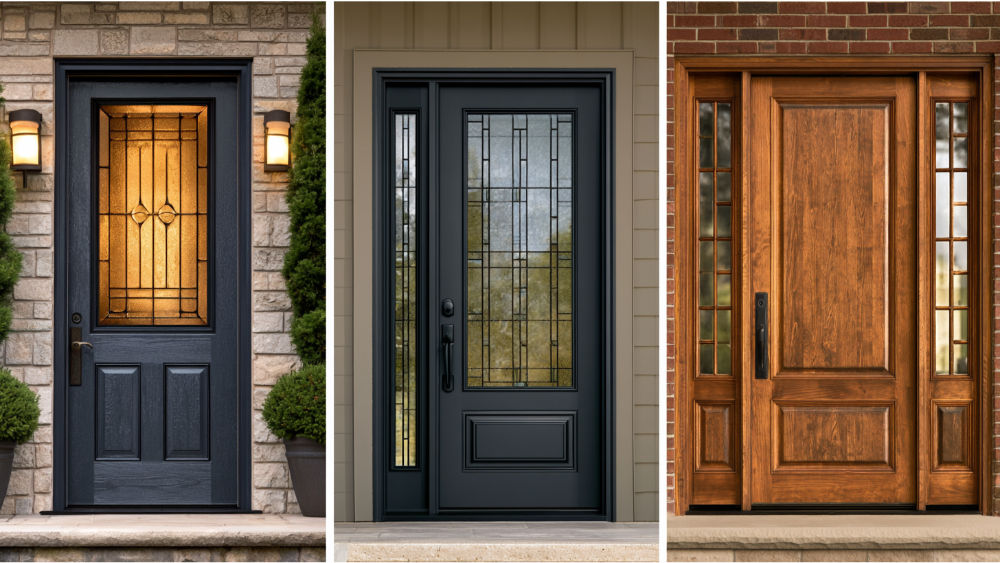
Fiberglass doors are one of the most reliable exterior doors available today. Many fiberglass doors are built using glass fibers and resin systems that create strong, weather resistant finishes. Modern fiberglass doors often include a foam core or polyurethane foam core that improves insulation and energy efficiency.
Fiberglass doors require minimal maintenance and perform consistently in both hot and cold climates. Unlike wood doors, fiberglass doors do not absorb moisture, which prevents warping, cracking, or swelling over time. Many fiberglass exterior door options also include glass inserts that enhance curb appeal without sacrificing performance.
Fiberglass doors are especially effective for homeowners looking for low maintenance, energy efficient, and long-lasting entry doors.
Steel Doors and Steel Exterior Doors
Steel doors and steel exterior doors remain one of the strongest and most secure door material options. Modern steel doors are typically constructed with insulated cores that improve energy efficiency and reduce heat transfer. These modern steel doors also include reinforced frames that enhance structural integrity and long-term stability.
Steel doors perform well in extreme weather conditions and provide excellent home security. However, compare steel options carefully because lower-quality steel doors may be more susceptible to dents or corrosion over time.
Steel and fiberglass combinations are common in high-performance exterior doors because they balance durability, insulation, and security.
Wood Doors and Solid Wood Doors
Wood doors and solid wood doors offer unmatched natural beauty and traditional appeal. Real wood creates strong curb appeal and design flexibility, especially for custom homes and historic architecture. However, wood absorbs moisture, which leads to swelling, warping, and eventual deterioration.
Wood entry doors require more maintenance compared to fiberglass doors or steel doors. Without regular sealing and refinishing, wood doors may begin to show visible rot or surface damage. Wood remains a strong aesthetic choice but is less reliable for long-term exterior exposure.
Composite Door Systems for Balanced Performance
Composite door systems combine multiple materials to improve durability and energy efficiency. A composite door often includes engineered wood, fiberglass, and foam insulation to create a more stable exterior door system.
Composite door options are popular because they offer low maintenance, improved weather resistance, and strong insulation performance. These systems also support reinforced frames that enhance long-term structural stability.
Composite door systems are often chosen when homeowners want a balance between natural appearance and modern performance.
What Determines How Long Exterior Doors Last
Weather Resistance and Environmental Exposure
Weather resistance is one of the most important factors affecting exterior doors. Direct sun, moisture, and extreme weather conditions all impact how long doors last. Fiberglass doors and steel doors perform best under constant environmental stress, while wood doors degrade faster due to moisture absorption.
Temperature swings also play a major role in door performance. Fiberglass doors remain stable under expansion and contraction, while wood doors and natural wood materials move with humidity changes.
Installation Quality and Door Frame Performance
Proper installation is essential for long-lasting exterior doors. A poorly installed door frame can cause air leaks, poor sealing, and premature failure. Reinforced frames improve structural stability and help maintain alignment over time.
Professional installation ensures a tight seal, which improves energy efficiency and reduces heat transfer. Even high-quality fiberglass doors or steel doors can fail early without proper installation, which is why many homeowners choose professional door and window installation services from Elevate Construction Group.
Maintenance and Long-Term Performance
Low maintenance materials like fiberglass doors and steel exterior doors provide the best long-term value. Fiberglass doors require only occasional cleaning, while steel doors may need periodic inspections for surface wear.
Wood doors require more maintenance, including sealing and refinishing. Without constant maintenance, wood doors lose structural integrity and fail faster than other exterior door material options.
Energy Efficiency and Cost Impact of Exterior Doors
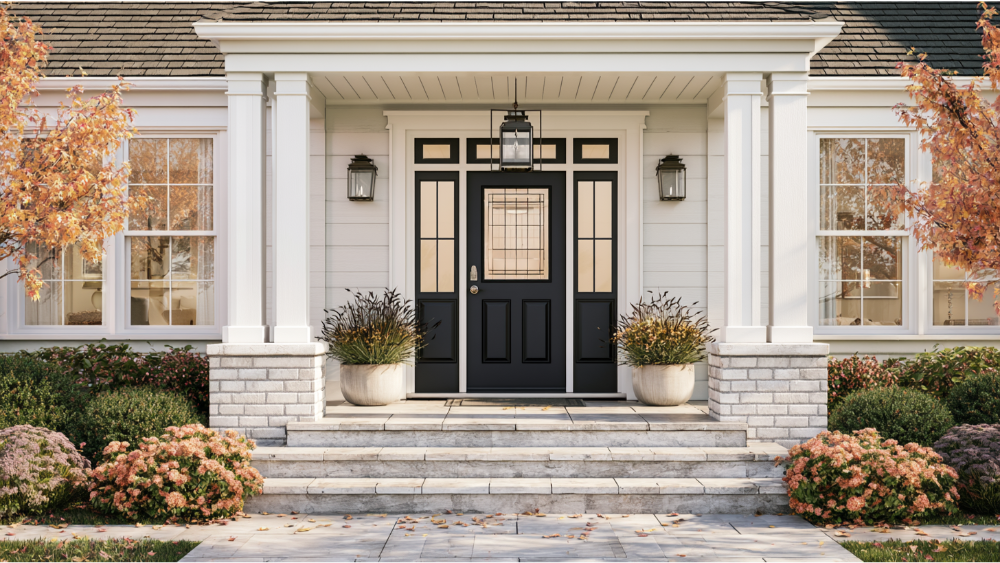
Energy efficiency plays a major role in selecting exterior doors. Well-insulated fiberglass doors and steel doors reduce heat transfer, which lowers energy bills and improves HVAC system efficiency.
A properly sealed exterior door reduces air leakage and improves indoor comfort. Foam core insulation inside fiberglass doors and steel doors helps regulate indoor temperature and reduces strain on heating and cooling systems.
Composite door systems also improve energy efficiency by combining insulation layers with reinforced frames. Over time, energy efficient doors reduce operating costs and improve overall home performance.
Best Exterior Doors by Home Style and Application
Modern Homes and Residential Entry Doors
Fiberglass doors are often the best exterior door choice for modern homes due to low maintenance, energy efficiency, and design flexibility. Many fiberglass doors support glass inserts that enhance curb appeal.
High-Security Applications
Steel doors and steel exterior doors provide strong home security and durability. Reinforced frames and insulated cores make these doors ideal for security-focused entry doors.
Traditional and Custom Homes
Wood doors and solid wood doors are often used in traditional designs where natural beauty is a priority. However, they require more maintenance and shorter replacement cycles.
Rental and High-Traffic Properties
Fiberglass doors and steel doors are ideal for rental properties because they offer minimal maintenance, strong durability, and reliable long-term performance.
Home Security, Structural Integrity, and Door Performance
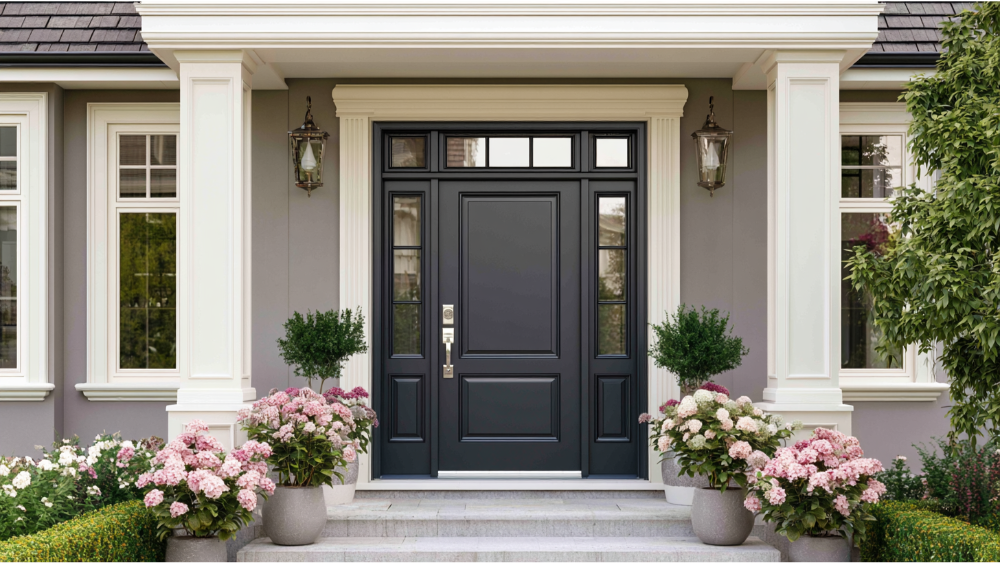
Home security is a key factor when selecting entry doors. Steel doors provide excellent resistance to forced entry. Fiberglass doors also perform well when combined with reinforced frames and solid cores.
Structural integrity depends on both the door material and installation quality. Proper installation ensures doors maintain alignment and continue performing under constant stress.
Fiberglass and steel doors remain the most reliable options for homeowners prioritizing long-term security and durability.
Warning Signs Your Exterior Doors Need Replacement
Common warning signs include drafts, difficulty opening or closing doors, visible rot in wood doors, and reduced energy efficiency. These signs indicate that exterior doors are no longer performing as a complete system.
Door replacement is often necessary when air leakage increases or when energy bills rise due to poor insulation performance. Upgrading to fiberglass doors or steel doors can significantly improve energy efficiency, home security, and curb appeal.
Choosing the Right Exterior Door Material
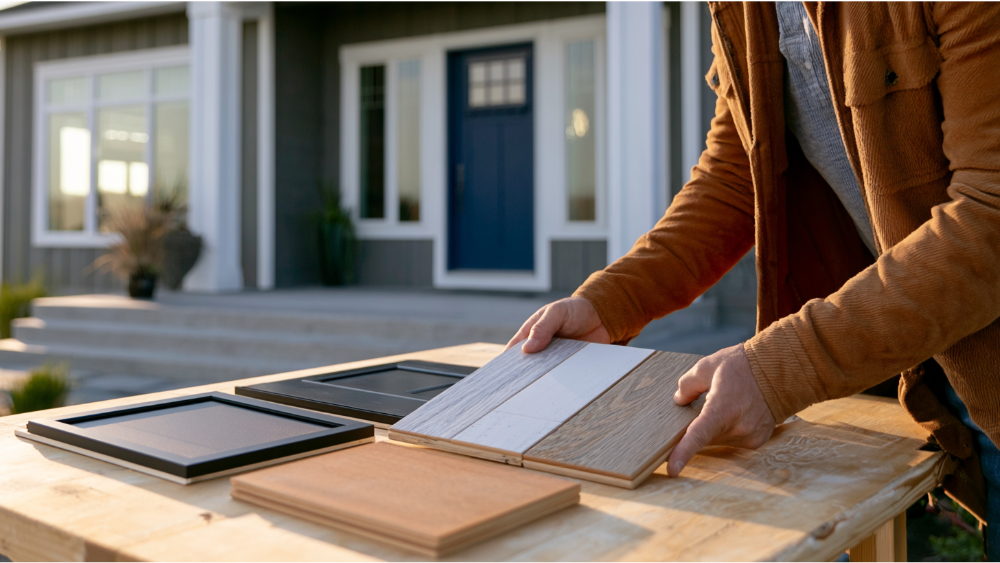
Selecting the right exterior door material depends on durability, maintenance requirements, energy efficiency, and aesthetic goals. Fiberglass doors offer the best balance for most homeowners. Steel doors provide strength and security. Wood doors deliver natural beauty but require more maintenance.
Composite door systems offer a hybrid solution that improves performance across multiple categories. The right exterior door depends on climate, usage, and long-term expectations.
When evaluating what materials last longest for exterior doors, fiberglass doors and steel doors consistently outperform traditional wood doors in most environments.
Frequently Asked Questions (FAQs)
What is the best material for a front door in humid climates?
Fiberglass doors are the best material for front doors in humid climates due to their excellent moisture resistance, minimal upkeep, and long lifespan. They do not warp, rot, or swell like wood doors and avoid rust issues common with steel doors in such environments.
How often should wood exterior doors be refinished?
Wood exterior doors typically require refinishing every 1 to 2 years to maintain their appearance and protect against moisture damage. Without regular maintenance, wood doors can deteriorate within just a few years.
Do steel doors require maintenance to prevent rust?
Yes, steel doors need periodic maintenance, including repainting every 8 to 10 years and prompt touch-ups of any scratches or chips in the finish to prevent rust from developing, especially in moist or coastal climates.
Can fiberglass doors handle direct sunlight without fading?
Yes, fiberglass doors with UV-resistant factory finishes can withstand direct sunlight without fading or peeling, making them ideal for homes exposed to intense sun.
What door style offers the best security?
The right door style for security typically features fewer or no windows and reinforced frames. Multi-point locking systems further enhance security by securing the door at multiple locations along the frame.
How long can fiberglass exterior doors last?
Fiberglass exterior doors can last over 50 years with minimal upkeep, thanks to their moisture resistance, durability, and stable construction.
Conclusion
Choosing the right materials for exterior doors is crucial for ensuring durability, energy efficiency, and security. Fiberglass doors stand out as the best material for most homeowners due to their excellent moisture resistance, minimal upkeep, and long lifespan, especially in humid or sunny climates. Steel doors offer superior strength and security but require more maintenance to prevent rust. Wood doors provide timeless beauty but demand regular refinishing and are less durable in harsh weather.
Ultimately, the right door material depends on your climate, maintenance willingness, security needs, and aesthetic preferences. By selecting the right door material and ensuring professional installation, you can enjoy a front door that lasts for decades, enhances curb appeal, and protects your home effectively.