Replacement Window Frame Materials Comparison: Which Option Is the Best Window Material for Your Home?
Choosing the right replacement windows can improve comfort, lower utility costs, and increase curb appeal. Homeowners researching replacement window frame materials comparison options often focus on appearance first, but the best window material also affects energy efficiency, durability, maintenance, and long-term value. Today’s most common window frame materials include vinyl windows, fiberglass windows, wood window products, aluminum window systems, and composite window designs.
When comparing window replacement materials, homeowners should evaluate thermal performance, insulating properties, maintenance expectations, and overall energy performance. Some replacement windows are designed for maintenance-free durability, while others prioritize natural light, architectural beauty, or improving energy efficiency. Understanding how different frame materials perform helps homeowners make informed decisions before replacing windows throughout the home.
At Elevate Construction Group, we help homeowners compare replacement windows based on style, durability, thermal performance, and long-term value. This guide explains how today’s most popular window materials compare and how to choose windows that fit your home, climate, and budget.
Why Window Frame Material Matters
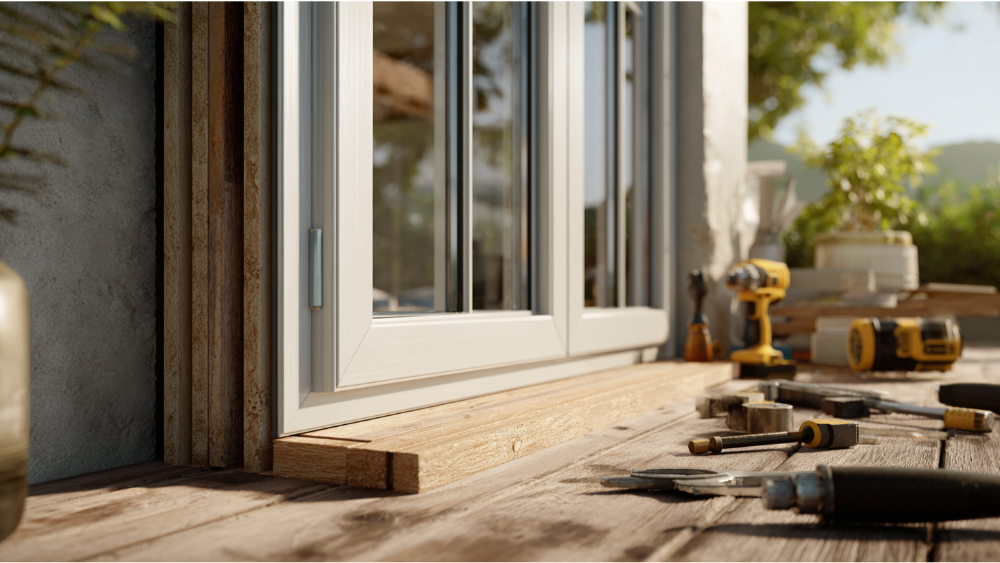
Window frames impact much more than appearance alone. The frame materials used in replacement windows directly affect heat transfer, air leakage, thermal transfer, and long-term structural integrity. Different window replacement materials perform differently depending on climate, moisture exposure, and installation quality.
How Frame Materials Affect Energy Efficiency
One of the biggest reasons homeowners invest in new windows is energy efficiency. Older windows often allow air infiltration and thermal transfer that increase heating and cooling costs. Modern energy efficient windows use advanced glass systems and insulated window frames to reduce heat transfer and improve comfort throughout the year.
The National Fenestration Rating Council measures energy performance using ratings like U-factor and Solar Heat Gain Coefficient (SHGC). Lower U-factor ratings help reduce heat loss during cold weather, while the right SHGC can reduce unwanted heat gain during summer.
Energy efficient replacement windows also depend on:
- Double paned glass
- Low-E coatings
- Proper installation
- Thermally broken frame systems
- Reduced air leakage
- Strong insulating properties
Fiberglass frames, vinyl frames, and composite window frames generally provide stronger insulating properties than aluminum frames because aluminum can absorb heat more easily.
Durability and Long-Term Performance
Replacement windows should withstand years of weather exposure without warping or deteriorating. Some frame materials handle thermal expansion and moisture better than others.
Homeowners should consider:
- Structural integrity
- Resistance to moisture
- Thermal expansion
- Long-term durability
- Existing frame condition
- Exposure to sunlight
Fiberglass windows are known for superior durability because the material reinforced with glass fibers resists warping and expansion. Vinyl window frames also perform well in many climates and deliver low maintenance performance.
Maintenance Requirements
Maintenance expectations vary significantly across window materials. Some homeowners prefer maintenance-free replacement windows while others prioritize traditional aesthetics.
- Wood frames and solid wood window products often require regular maintenance including painting or staining.
- Aluminum window frames resist rot but may conduct heat more easily.
- Vinyl frames and composite materials generally offer minimal maintenance requirements.
Appearance and Home Value
Replacement windows dramatically impact curb appeal. Choosing replacement windows that complement your home’s style can increase resale value and improve appearance.
Popular window types include:
- Double hung windows
- Awning windows
- Picture windows
- Sliding windows
Many homeowners prefer wood clad windows or clad wood designs because they combine classic appearance with stronger exterior durability. Fiberglass windows and composite window systems also provide clean modern aesthetics with narrow sightlines that maximize natural light.
Vinyl Replacement Windows
Vinyl windows remain one of the most popular replacement windows available because they combine affordability, energy efficiency, and low maintenance performance.
What Vinyl Window Frames Are Made Of
Vinyl window frames are manufactured from PVC materials designed to improve insulating properties and reduce heat transfer. Many high quality vinyl products feature multi-chamber construction that improves thermal performance.
Modern vinyl frames often include:
- Reinforced corners
- Insulated chambers
- Thermally broken designs
- Double paned glass compatibility
Benefits of Vinyl Windows
Energy Efficiency
Vinyl frames resist thermal transfer better than many other materials. Combined with Energy Star certified glass packages, vinyl windows help improve energy savings throughout the year.
Low Maintenance
One reason homeowners choose vinyl windows is the low maintenance design. Vinyl window frames do not require painting, staining, or sealing.
Moisture Resistance
Unlike some wood frame windows, vinyl frames resist moisture damage and do not rot.
Affordability
Vinyl windows are often one of the most affordable replacement windows available, making them ideal for large window replacement projects.
Potential Drawbacks of Vinyl Windows
Low-quality vinyl windows may warp over time if exposed to extreme temperatures. Thermal expansion can impact lower-end products, which is why properly installed high quality vinyl replacement windows matter.
Color options may also be more limited compared to wood clad windows or composite window systems.
Best Homeowners for Vinyl Windows
Vinyl windows are ideal for:
- Budget-conscious homeowners
- Families seeking low maintenance solutions
- Homeowners improving energy efficiency
- Large replacement window projects
- Homeowners wanting maintenance-free operation
Double hung windows with vinyl frames remain especially popular because they provide easy operation and flexible ventilation.
Fiberglass Replacement Windows
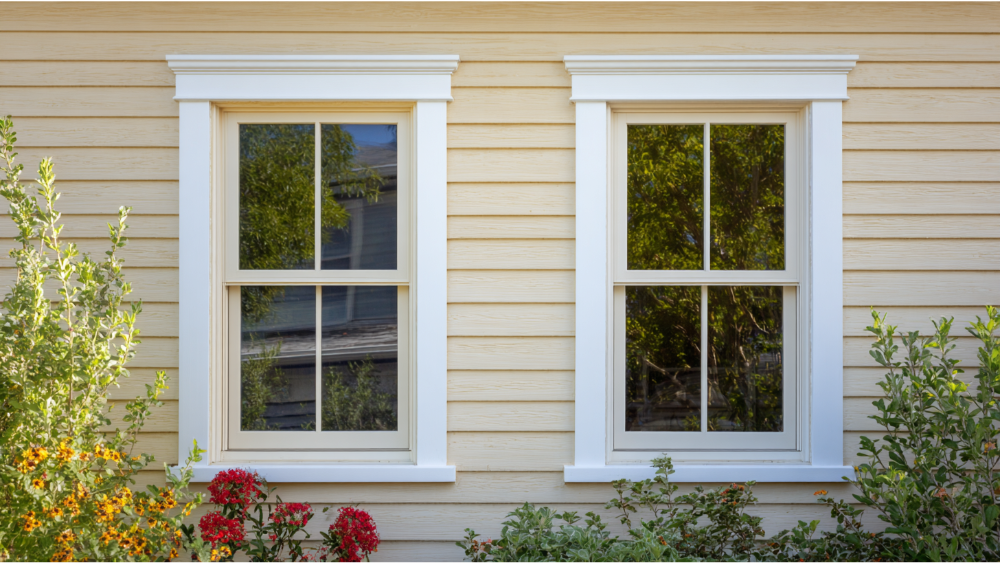
Fiberglass windows are considered one of the strongest premium replacement windows available today.
What Makes Fiberglass Different
Fiberglass frames are reinforced with glass fibers, creating a lightweight material with exceptional strength. Fiberglass windows experience less thermal expansion than many other frame materials, helping maintain tight seals and reducing air leakage.
Advantages of Fiberglass Windows
Superior Durability
Fiberglass windows offer superior durability and resist cracking, swelling, and warping.
Strong Energy Efficiency
Fiberglass frames deliver excellent thermal performance and strong insulating properties.
More Natural Light
Because fiberglass frames are strong, manufacturers can create thinner frames that allow more natural light into the home.
Minimal Maintenance
Fiberglass windows require minimal maintenance and hold paint finishes well over time.
Drawbacks of Fiberglass Windows
Fiberglass windows usually cost more upfront than vinyl windows. However, many homeowners view the additional investment as worthwhile because of the long lifespan and energy savings.
When Fiberglass Windows Make Sense
Fiberglass windows are ideal for:
- Long-term homeowners
- Homes exposed to direct sunlight
- Premium remodels
- Homeowners prioritizing energy efficient replacement windows
- Homes requiring superior durability
Fiberglass vs Vinyl Windows
Both fiberglass windows and vinyl windows offer strong energy efficiency, but there are important differences.
Fiberglass Windows
- Higher structural integrity
- Better resistance to thermal expansion
- Narrower profiles
- Premium appearance
Vinyl Windows
- Lower upfront cost
- Maintenance-free performance
- Excellent energy savings
- Popular for large-scale window replacement
Wood Replacement Windows
Wood window systems remain popular among homeowners who value traditional craftsmanship and timeless beauty.
Why Homeowners Still Choose Wood Windows
Wood frames create warmth and architectural character that many homeowners prefer for historic and custom homes. New wood windows continue to appeal to homeowners seeking a classic appearance.
Benefits of Wood Frames
Natural Beauty
Solid wood window designs provide rich texture and warmth unmatched by synthetic materials.
Strong Insulating Properties
Wood frames naturally resist heat transfer and provide strong insulating properties.
Design Flexibility
Wood frame windows can be painted or stained in many finishes to match nearly any design style.
Challenges With Wood Windows
Wood windows also require regular maintenance to prevent deterioration.
Potential concerns include:
- Moisture damage
- Rot
- Peeling paint
- Thermal expansion
- Maintenance costs
Solid wood products may absorb heat and moisture if not properly maintained.
Wood Clad Windows and Clad Wood Options
Wood clad windows combine wood interiors with exterior cladding for added durability. Clad wood systems often use aluminum frames or composite materials on the exterior to reduce maintenance.
Wood clad windows provide:
- Traditional interior appearance
- Better weather resistance
- Reduced maintenance
- Improved durability
Many homeowners comparing wood clad and solid wood window systems appreciate the balance between appearance and practicality.
Best Applications for Wood Windows
Wood window products work especially well for:
- Historic homes
- Luxury renovations
- Traditional architecture
- Homeowners prioritizing aesthetics
Double hung windows with wood frames remain a common choice for older homes and traditional designs.
Aluminum Replacement Windows
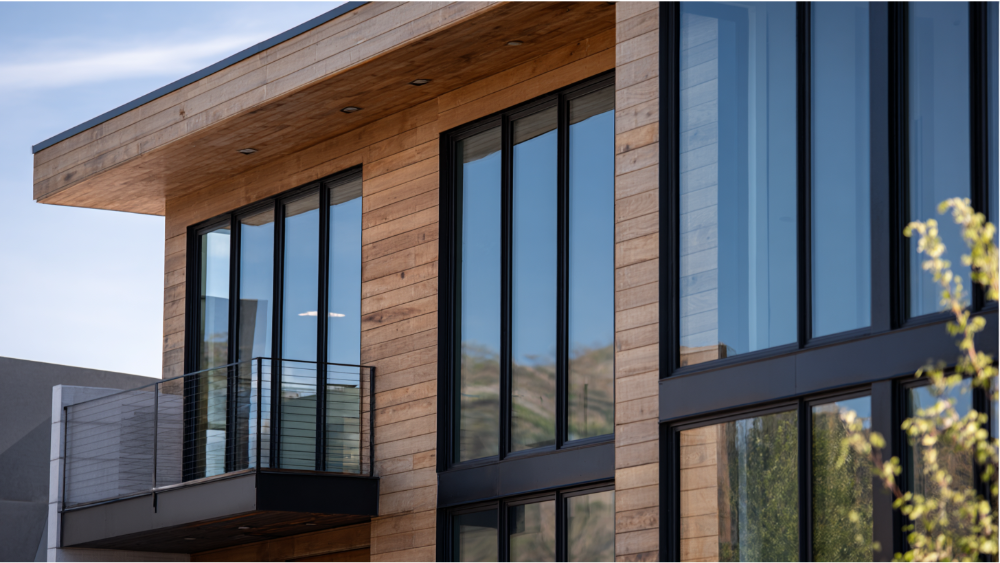
Aluminum window systems are popular in contemporary architecture because of their slim appearance and structural strength.
Characteristics of Aluminum Window Frames
Aluminum window frames are lightweight material options capable of supporting large glass openings. Aluminum frame windows work especially well in modern homes with expansive views.
Pros of Aluminum Windows
Modern Appearance
Aluminum window products create sleek, narrow sightlines that maximize natural light.
Structural Strength
Aluminum frames maintain excellent structural integrity even in larger window configurations.
Durability
Aluminum window systems resist cracking and weather-related damage.
Cons of Aluminum Windows
Aluminum frames conduct heat more easily than fiberglass frames or vinyl frames. Without a thermal break, aluminum window systems can experience significant thermal transfer.
Modern thermally broken aluminum window frames help reduce heat transfer by separating interior and exterior metal surfaces. Thermally broken systems improve energy efficiency and reduce air leakage.
Thermally Broken Aluminum Windows
Thermally broken aluminum frame windows are specifically engineered to improve insulating properties and reduce heat transfer.
Benefits include:
- Better energy performance
- Reduced thermal transfer
- Lower condensation risk
- Improved comfort during cold weather
Even thermally broken aluminum window products may still underperform compared to fiberglass windows or vinyl windows in extreme climates.
Best Situations for Aluminum Windows
Aluminum window frames are ideal for:
- Modern homes
- Contemporary remodels
- Large window openings
- Homes maximizing natural light
Composite Replacement Windows
Composite window systems combine multiple composite materials to improve durability and performance.
What Composite Window Frames Are
Composite window frames may contain wood fibers, polymers, resin systems, or other composite materials designed to improve strength and reduce maintenance.
Some composite wood products are engineered specifically to mimic the appearance of solid wood while improving durability.
Benefits of Composite Windows
Strong and Stable
Composite window frames resist moisture, thermal expansion, and weather-related damage.
Wood-Like Appearance
Composite windows replicate the appearance of traditional wood window products without requiring the same level of regular maintenance.
Strong Energy Efficiency
Composite window systems often deliver excellent thermal performance and strong energy efficiency ratings.
Drawbacks of Composite Frames
Composite window systems typically cost more than vinyl windows. Product quality may also vary depending on the manufacturer and the composite materials used.
Composite vs Fiberglass vs Vinyl
Composite Window
- Durable and attractive
- Lower maintenance than solid wood
- Strong thermal performance
Fiberglass Windows
- Superior durability
- Premium strength
- Minimal maintenance
Vinyl Windows
- Most affordable
- Energy efficient
- Maintenance free design
Side-by-Side Comparison of Window Frame Materials
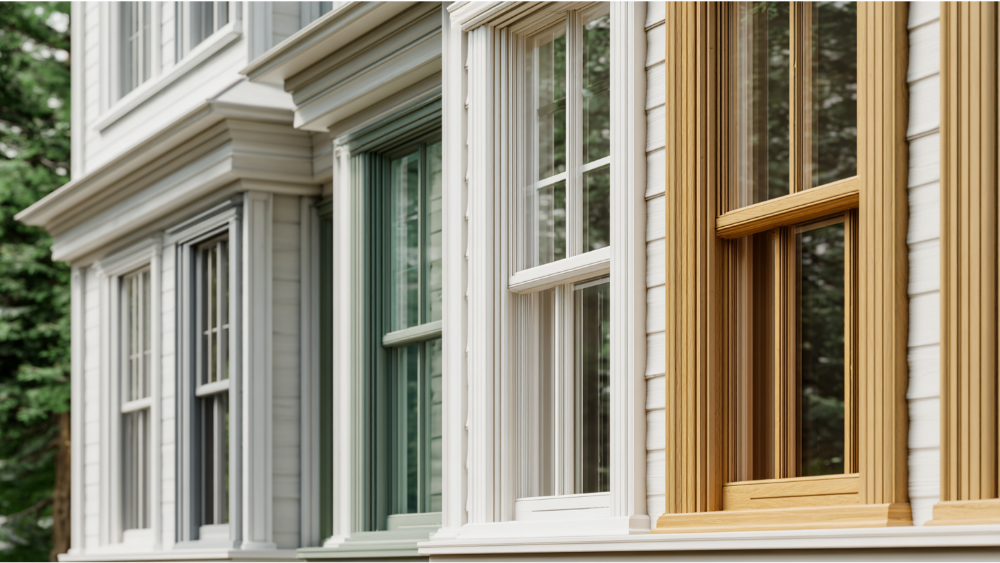
Energy Efficiency Comparison
Fiberglass windows, composite window systems, and vinyl windows generally provide the strongest energy efficiency. Aluminum window products require a thermal break to improve thermal performance.
Durability Comparison
Fiberglass frames lead in superior durability because they resist thermal expansion and maintain structural integrity over time.
Maintenance Comparison
Vinyl windows and fiberglass windows offer low maintenance performance. Solid wood and clad wood systems require more regular maintenance.
Lifespan Expectations
Average lifespan expectations include:
- Vinyl windows: 20 to 40 years
- Fiberglass windows: 30 to 50 years
- Composite window systems: 30 years or more
- Aluminum window products: 20 to 45 years
- Wood window systems: varies based on maintenance
Cost Comparison
Budget-Friendly
Vinyl windows
Mid-Range
Composite window products and aluminum window systems
Premium
Fiberglass windows and solid wood window systems
Appearance and Design Flexibility
Wood clad windows and clad wood products provide classic aesthetics. Aluminum frame windows deliver a modern appearance. Composite window systems and fiberglass windows balance versatility with durability.
Which Window Frame Material Is Best for Northern California Homes?
The best window material depends on the homeowner’s priorities, climate conditions, and budget.
Best Option for Energy Savings
Fiberglass windows and energy efficient windows with vinyl frames deliver excellent energy savings and strong thermal performance.
Best Option for Low Maintenance
Vinyl windows and fiberglass windows provide low maintenance operation with minimal upkeep.
Best Option for Long-Term Value
Fiberglass frames often deliver the strongest long-term value because of their durability and energy efficiency.
Best Option for Premium Appearance
Wood clad windows, clad wood products, and solid wood window systems provide premium aesthetics for luxury homes.
Why Proper Installation Matters
Even the best replacement windows must be properly installed to achieve maximum energy efficiency. Improper installation can increase air leakage and reduce thermal performance.
Professional installation helps ensure:
- Proper sealing
- Reduced air infiltration
- Better energy performance
- Improved structural integrity
- Long-term durability while helping you manage average labor costs for window installation based on project scope and window type.
The underlying structure around the existing frame must also be evaluated during window replacement to prevent future moisture problems.
Signs It’s Time to Replace Your Windows
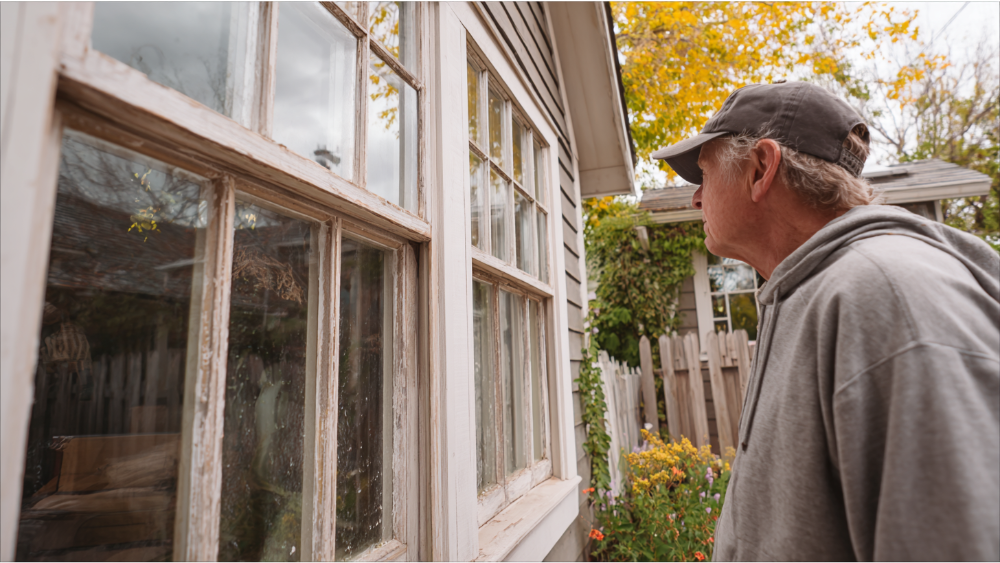
Older windows often lose efficiency and performance over time.
Drafts and Temperature Changes
Drafty windows can indicate failing seals or air leakage.
Rising Utility Costs
Older windows may increase energy costs because of poor insulating properties and thermal transfer.
Condensation Between Panes
Moisture between double paned glass often indicates seal failure.
Difficulty Operating Sash Slides
If sash slides no longer move smoothly, replacing windows may be necessary.
Visible Damage
Damaged wood frames, warped vinyl frames, or deteriorating aluminum frames often indicate it is time for window replacement.
How to Choose the Right Replacement Windows
Choosing replacement windows involves balancing aesthetics, maintenance, energy performance, and cost.
Set a Realistic Budget
Consider the total number of new windows needed and compare long-term value instead of focusing only on initial price.
Prioritize Energy Performance
Energy Star certified replacement windows with low U-factor ratings can improve comfort and lower utility costs.
Consider Window Types
Popular window types include double hung windows, awning windows, sliding windows, and picture windows. Double hung windows remain especially popular because they combine ventilation, appearance, and easy cleaning.
Match Your Home’s Style
Wood clad and clad wood designs work beautifully in traditional homes, while aluminum window systems fit modern architecture.
Work With a Trusted Contractor
Professional guidance helps homeowners compare frame materials, glass packages, and proper installation methods before choosing replacement windows.
Frequently Asked Questions
What is the best window material for energy efficiency?
Fiberglass windows, composite window systems, and high quality vinyl windows typically provide the strongest energy efficiency.
Are fiberglass windows worth the cost?
Many homeowners consider fiberglass windows worth the investment because of superior durability, thermal performance, and minimal maintenance.
How long do vinyl windows last?
High quality vinyl replacement windows can last decades when properly installed.
Are wood clad windows better than solid wood?
Wood clad windows reduce maintenance while preserving the appearance of wood frames.
Why are thermally broken aluminum windows important?
Thermally broken aluminum window systems reduce heat transfer and improve energy performance.
Can replacement windows increase home value?
Yes. New windows improve comfort, appearance, and overall energy efficiency.
Conclusion
Understanding replacement window frame materials comparison options helps homeowners make smarter decisions when investing in replacement windows. Vinyl windows remain one of the most affordable and energy efficient choices available. Fiberglass windows offer superior durability and long-term value. Wood window systems provide timeless beauty, while composite window and aluminum window products each offer unique benefits depending on the home’s style and performance needs.
The best replacement windows balance energy efficiency, thermal performance, maintenance expectations, and appearance. Proper installation also plays a major role in reducing air leakage, improving insulating properties, and maximizing long-term durability.
At Elevate Construction Group, we help homeowners compare window materials and choose windows designed for lasting comfort, energy savings, and curb appeal. Whether you are replacing one window or upgrading every window in your home, our team can help you find energy efficient windows that fit your goals and budget.