Sliding Patio Door Installation Considerations Every Homeowner Should Know Before You Install a New Door
Replacing patio doors is one of the best ways to improve comfort, energy efficiency, and style in your home. A properly installed sliding door can enhance natural light, create easier access to outdoor living spaces, and help homeowners reduce drafts and moisture problems. Before starting a project, it is important to understand the most important sliding patio door installation considerations so you can plan for long-term performance. These considerations can help homeowners avoid expensive repairs, improve insulation, and create a complete plan for a successful installation job.
Many homeowners focus only on the appearance of a new door, but the installation process matters just as much as the product itself. Even high-quality sliding patio doors can develop leaks, operation problems, and insulation issues if they are not installed correctly. The right preparation, materials, measurements, and professional installation techniques all play a role in creating a secure and durable result.
This guide covers the complete process, from choosing patio doors to understanding preparation, installation, maintenance, and replacement considerations.
Why Proper Sliding Patio Door Installation Matters
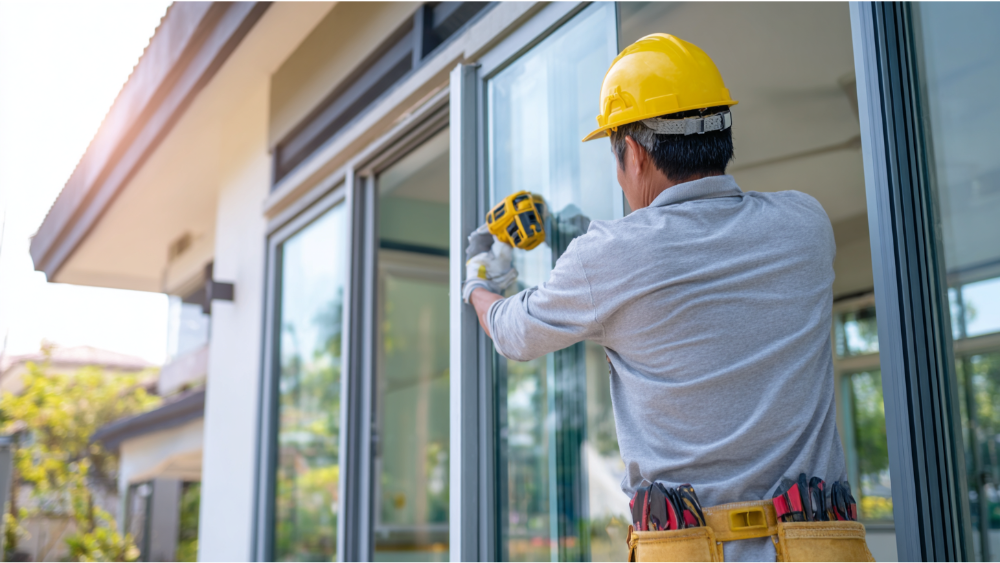
A sliding patio door affects much more than curb appeal. Patio doors impact energy performance, safety, comfort, and daily operation. When a sliding door is installed correctly, it should provide smooth operation, reliable insulation, and long-term durability.
A poor installation job can create gaps around the frame, moisture problems, and uneven movement along the track. Improper caulking or missing proper flashing may allow water to enter the opening and damage the surrounding materials. Over time, this can create cracks, rot, and expensive repairs.
Professional installation helps homeowners avoid these problems by ensuring the frame is level, square, and secure. Installers also use proper screws, shim placement, insulation, and seal techniques to help the new door perform correctly in different climate conditions.
Energy Efficiency and Comfort
Modern sliding patio doors are designed with advanced insulation features. Many patio doors include Low-E glass, insulated frames, multiple glass layers, and energy-efficient panel designs. These elements help reduce heat transfer and improve comfort throughout the year.
If the opening is not properly sealed during installation, even the best sliding patio doors can lose efficiency. Gaps around the door frame can allow outside air to enter the home. Proper caulking and insulation are essential during the installation process.
Moisture Protection and Safety
Moisture protection is another essential consideration. Water intrusion around a sliding door can damage the floor, framing, and interior finishes. Proper flashing, sill protection, and seal application help cover vulnerable areas around the opening.
Safety also matters during installation. Sliding patio doors use heavy glass panel systems that require careful handling. An awkward lifting angle or uneven support can damage the frame or create alignment problems.
Long-Term Operation
Smooth operation depends on correct leveling and track alignment. Installers may need to adjust rollers during the process to ensure the sliding door glides smoothly. If rollers are not aligned correctly, the door may drag or become difficult to open.
Signs It May Be Time to Replace Patio Doors
Older patio doors often show warning signs before complete failure occurs. Homeowners should pay attention to operation issues, moisture concerns, and insulation problems.
Drafts and Energy Loss
An old door with worn seals can allow air leakage around the frame. This may increase heating and cooling costs while making rooms feel uncomfortable.
Difficulty Opening and Closing
Difficulty opening a sliding door often points to worn rollers, track damage, or shifting in the frame. If homeowners notice resistance during operation, it may be time to replace the old door.
Condensation Between Glass Panels
Moisture trapped between glass layers often signals seal failure. Once the seal breaks, insulation performance decreases.
Water Damage Around the Opening
Visible stains, soft materials, or cracks around the opening may indicate moisture intrusion. Water can damage the floor and surrounding frame if not addressed quickly.
Outdated Style and Security
Many older patio doors lack modern safety features and energy-efficient materials. A new door can improve both appearance and secure access to outdoor areas.
Choosing the Right Sliding Patio Door Materials
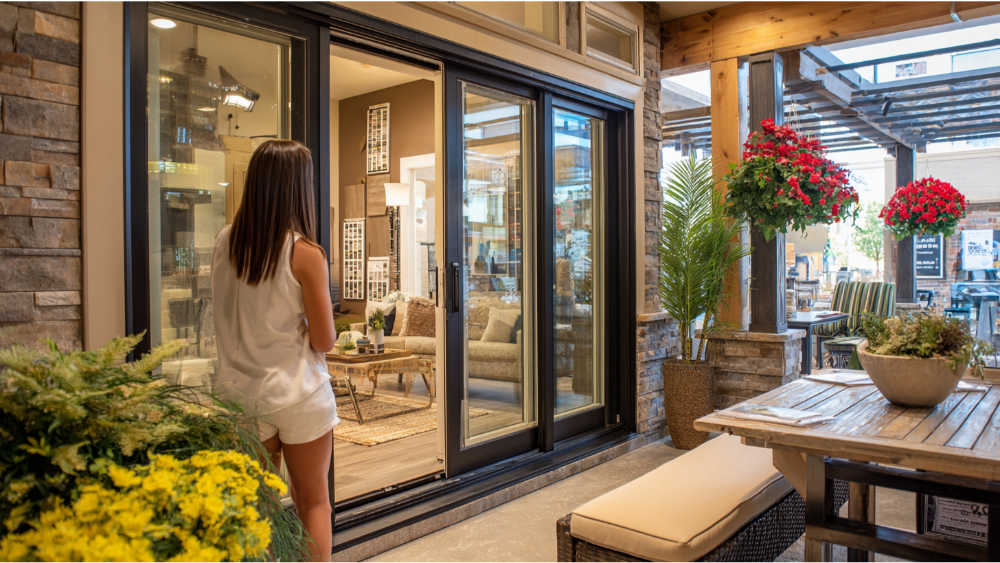
Choosing the right materials is an important part of the installation plan. Different materials offer varying levels of durability, maintenance, and insulation.
Vinyl Sliding Patio Doors
Vinyl sliding patio doors remain a popular choice because they are affordable and low maintenance. Vinyl frames resist moisture and provide good insulation.
Fiberglass Sliding Patio Doors
Fiberglass patio doors offer excellent durability and climate resistance. Fiberglass materials expand and contract less than some other options, helping the frame remain square over time.
Wood Sliding Patio Doors
Wood patio doors provide a traditional style and warm interior appearance. Wood requires more maintenance and regular caulking or sealing to protect against moisture.
Aluminum Sliding Patio Doors
Aluminum sliding patio doors create a modern style with narrow frames and larger glass panel options. Some aluminum systems may require added insulation for better energy performance.
Composite Materials
Composite patio doors combine multiple materials to improve durability and reduce maintenance. These products are designed to handle changing climate conditions while maintaining smooth operation.
Important Measurements and Structural Considerations
Careful preparation is essential before installers begin the installation process. Accurate measurements help ensure the new door fits properly inside the rough opening.
Measuring the Opening
Installers measure the width, height, and depth of the opening to determine the correct door size. The opening should be square and level before installation begins.
If the opening is not square, installers may need to shim the frame during installation to create proper alignment.
Retrofit vs Full Replacement
Some homeowners choose retrofit replacement projects that keep the existing frame in place. In other situations, complete removal of the old door and frame provides better long-term performance.
A full replacement allows installers to inspect the rough opening for moisture damage, framing problems, and insulation concerns.
Structural Preparation
Preparation may include replacing damaged materials, reinforcing the header, or repairing the floor beneath the opening. Structural preparation helps create a secure base for the new door.
Threshold and Floor Considerations
The floor near patio doors should slope properly to direct water away from the home. Installers also check the threshold height to improve access and reduce tripping hazards.
Energy Efficiency Features to Look For
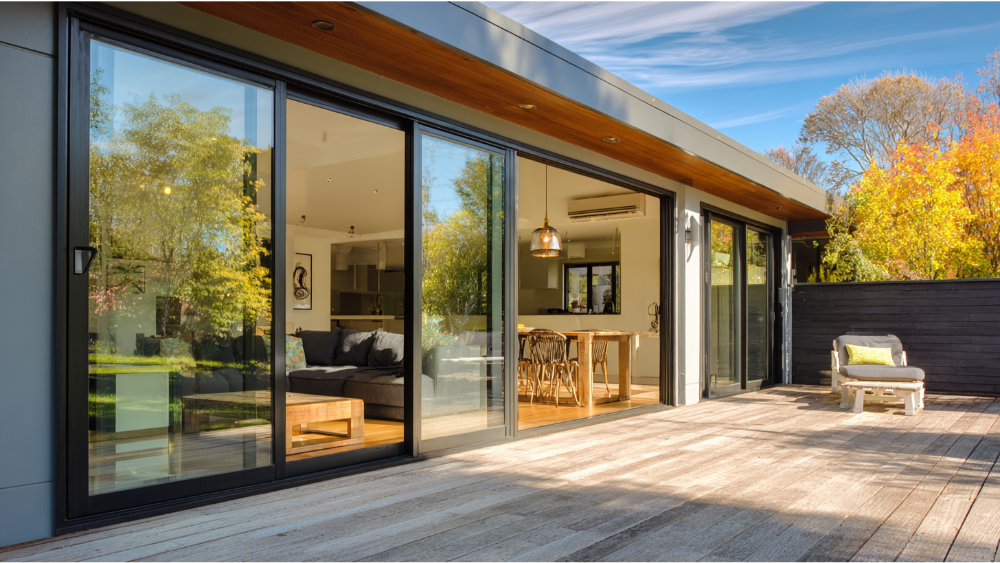
Modern sliding patio doors offer many energy-saving features. Homeowners should compare products carefully before making a final decision.
Glass Technology
Double-pane and triple-pane glass systems improve insulation and reduce heat transfer. Many patio doors also include gas fills between glass layers.
Low-E Coatings
Low-E coatings help reflect heat while allowing natural light into the home. These coatings can improve comfort in both warm and cold climate conditions.
Insulated Frames
Insulated frame materials help reduce energy loss around the edges of the door.
Weatherstripping and Seals
A high-quality seal system helps reduce drafts and moisture infiltration. Installers should inspect all seal points during the installation process.
ENERGY STAR Options
Many homeowners choose ENERGY STAR rated sliding patio doors for improved efficiency and long-term energy savings. Some homeowners also shop for upgraded windows and patio doors at the same time to create a more consistent style throughout the home.
The Sliding Patio Door Installation Process
Understanding the installation process helps homeowners know what to expect during the project.
Removal of the Existing Door
The first step involves careful removal of the existing door and frame. Installers may remove trim, nails, screws, and surrounding materials during this process.
The old door must be removed carefully to avoid damage to the opening.
Inspecting the Rough Opening
After removal, installers inspect the rough opening for moisture damage, debris, cracks, and structural concerns.
Preparation and Flashing
Preparation often includes applying proper flashing, sill protection, and weather barriers. Proper flashing is essential for moisture management.
Installers may also apply a continuous bead of caulking around key connection points before setting the new door into place.
Setting the New Door
The new door is carefully lifted into the opening and positioned inside the frame area. Installers use shim placement to keep the frame level and square.
Screws are used to secure the frame to the surrounding structure.
Adjustments and Testing
After the frame is secure, installers adjust rollers and test operation. Smooth operation should be checked several times before the installation is complete.
The sliding door should glide smoothly along the track without resistance.
Final Sealing and Finishing
The final process includes insulation, caulking, trim work, and cleanup. Installers may also cover exposed areas with finishing materials.
Common Sliding Patio Door Installation Mistakes
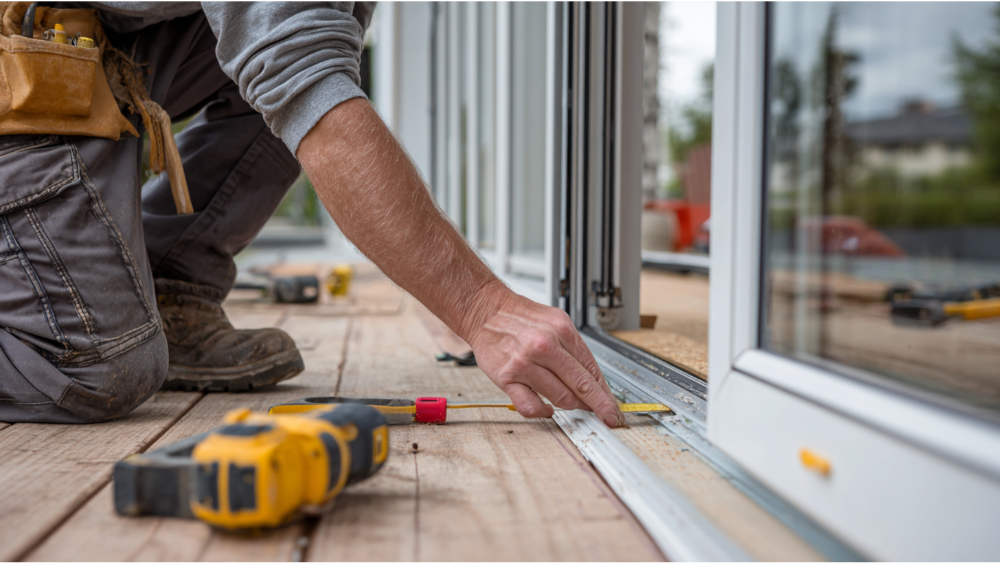
Many sliding door problems result from installation shortcuts or poor preparation.
- Incorrect measurements can cause the new door not to fit the opening correctly.
- Improper flashing and caulking can create moisture problems around the frame.
- Poor shim placement may cause the frame to shift over time.
- Uneven track alignment can make the sliding door drag or stick during operation.
- Using incorrect fasteners may reduce structural support.
- Failure to adjust rollers can affect smooth operation.
Sliding Patio Door Installation Cost Considerations
The total cost of patio doors depends on many factors.
Factors That Affect Cost
Several factors influence installation cost, including door size, materials, glass upgrades, structural repairs, hardware selections, labor requirements, and climate considerations.
Retrofit vs Full Replacement Cost
Retrofit projects may cost less because installers keep the existing frame. Full replacement projects often involve more labor and preparation.
Long-Term Value
High-quality patio doors can reduce energy loss and improve durability. Many homeowners view sliding patio doors as a long-term investment.
Professional Installation vs DIY Installation
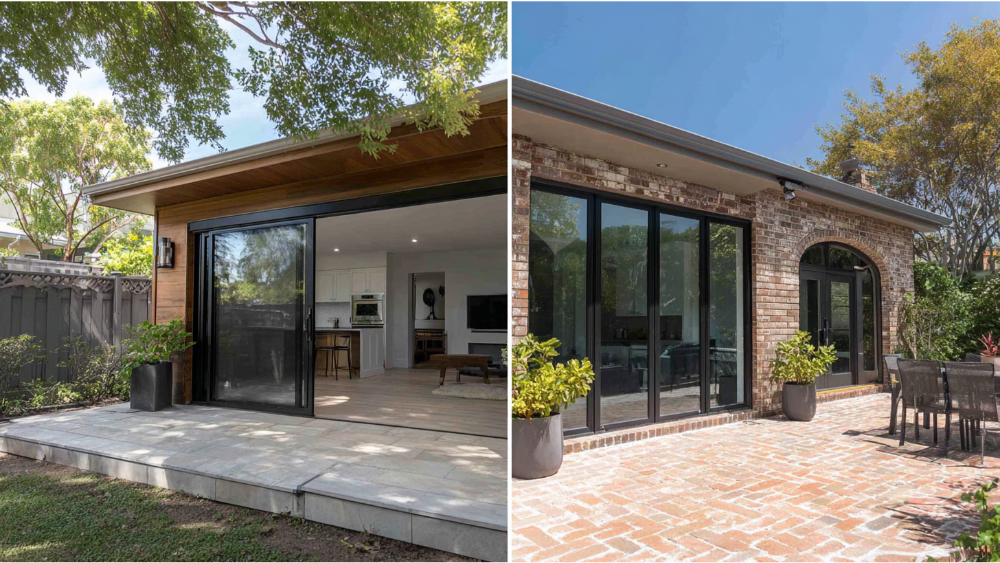
Some homeowners consider handling installation without assistance, but sliding patio doors can be difficult to install correctly.
Challenges of DIY Installation
Sliding patio doors are large, heavy, and awkward to move. Incorrect handling can damage the panel, frame, or surrounding opening.
DIY projects may also create moisture problems if caulking and flashing are not handled correctly.
Benefits of Hiring a Professional Installer
A professional installer understands proper preparation, shim placement, and installation instructions.
Professional teams also know how to secure the frame correctly and complete final adjustments. An experienced installer can also answer questions about materials, operation, maintenance, climate concerns, and the complete installation process.
Warranty and Code Requirements
Many manufacturers, including Andersen, recommend professional installation to protect warranty coverage.
Questions Homeowners Should Ask Before Hiring an Installer
Choosing the right installer is an important part of the process.
- Are you licensed and insured?
- What installation instructions do you follow?
- What materials do you recommend?
- Can you provide references?
Maintenance Tips After Installation
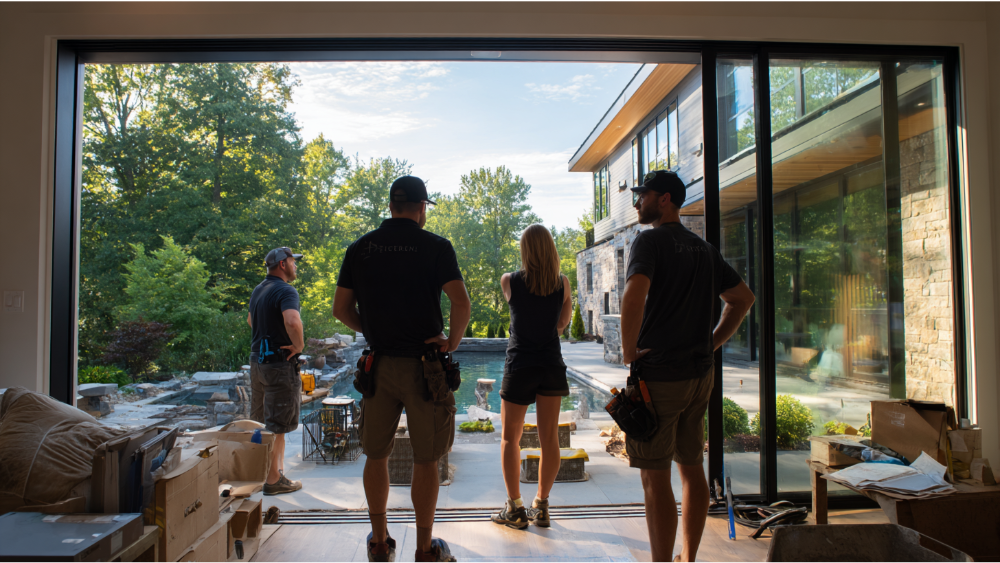
Proper maintenance helps patio doors last longer and maintain smooth operation.
- Clean the track regularly to remove debris that can affect rollers and operation.
- Inspect caulking and seals at least once each year.
- Lubricate rollers and hardware to ensure smooth movement.
- Watch for gaps and moisture around the frame and opening.
- Schedule periodic adjustments to maintain smooth operation over time.
Why Homeowners Choose Elevate for Patio Door Installation
Homeowners want patio doors that improve comfort, style, and durability. At Elevate Construction & Window Installation, our team focuses on complete installation solutions designed for long-term performance.
We help homeowners plan every part of the process, from preparation and product selection to installation and finishing details. Our team understands how important proper flashing, secure framing, insulation, and smooth operation are for long-term results.
Whether you need to replace an old door or install new sliding patio doors during a remodeling project, we focus on quality workmanship and careful attention to detail.
Frequently Asked Questions About Sliding Patio Door Installation
How long does the installation process take?
Most patio door installation projects can be completed within one day, although larger projects may take longer.
Can I replace patio doors without replacing the frame?
Some projects allow homeowners to replace the panel while keeping the existing frame. However, full replacement may provide better durability.
Why is proper flashing important?
Proper flashing helps direct water away from the opening and protects surrounding materials.
How do installers adjust rollers?
Most sliding door systems include adjustment screws near the bottom of the panel. Installers adjust rollers to improve alignment and operation.
What should homeowners do before installation day?
Homeowners should clear furniture and create easy access to the work area before the installation job begins.
How often should patio doors receive maintenance?
Most patio doors benefit from annual maintenance, cleaning, and inspection. Following manufacturer instructions and scheduling periodic maintenance can help protect durability and improve long-term operation.
Conclusion
Understanding sliding patio door installation considerations can help homeowners avoid common problems and make better decisions during a remodeling project. Proper preparation, accurate measurements, secure installation, and careful sealing all play an essential role in long-term performance.
Whether you plan to replace an old door or install completely new sliding patio doors, working with an experienced professional team can help ensure the job is completed correctly. The right materials, installation process, and maintenance plan can improve comfort, safety, durability, and energy efficiency for years to come.
If you are planning a patio door replacement project, contact Elevate today to learn more about our professional installation services and schedule a consultation.