What Framing Adjustments Are Sometimes Needed During Door Replacement?
A Contractor’s Guide to Getting It Right
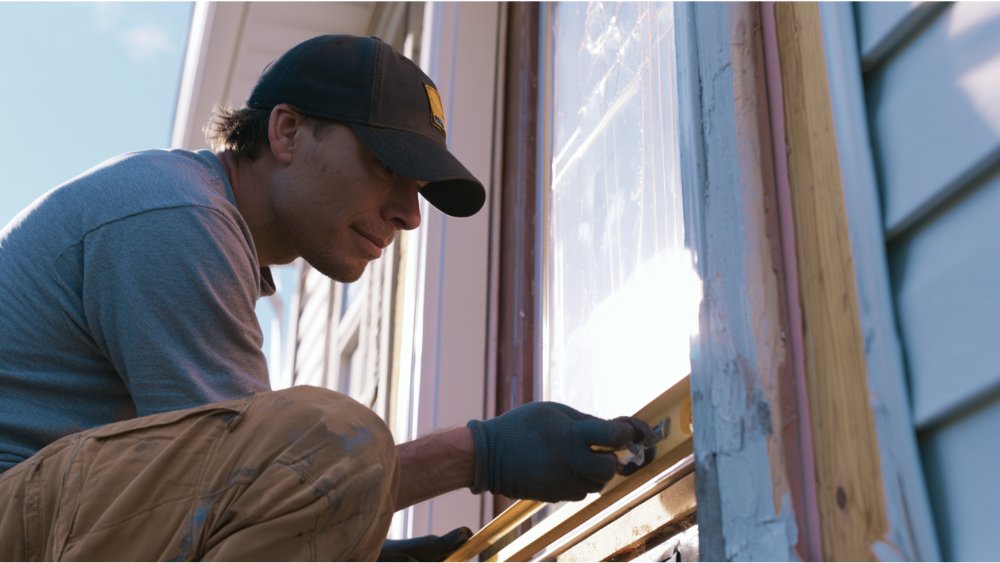
What framing adjustments are sometimes needed during door replacement is a question that comes up on nearly every project where a door is being replaced in an existing home or building. The reality is simple. A door is only as good as the frame that holds it.
In many homes, especially an old house, the frame has shifted over time. Studs move, walls settle, and moisture slowly changes the structure around the opening. Even when a new door is high quality, it will not perform correctly if the frame is not corrected first.
Door installation depends on precision. The frame must be plumb, square, and stable so the door can operate smoothly, seal correctly, and maintain long-term performance. Without those conditions, problems show up immediately, including gaps, sticking, latch failure, and uneven swing open behavior.
Understanding the Rough Opening in Door Replacement
What a Rough Opening Actually Is
The rough opening is the framed space inside the wall that holds the door system. It is built using studs, a header, and supporting components such as boards and posts that define the structure around the door.
Every door installation depends on this space being accurate. If the frame is out of alignment, the door will not correct it. It will expose the issue. That is why contractors evaluate the rough opening before any installation begins.
Standard Rough Opening Requirements
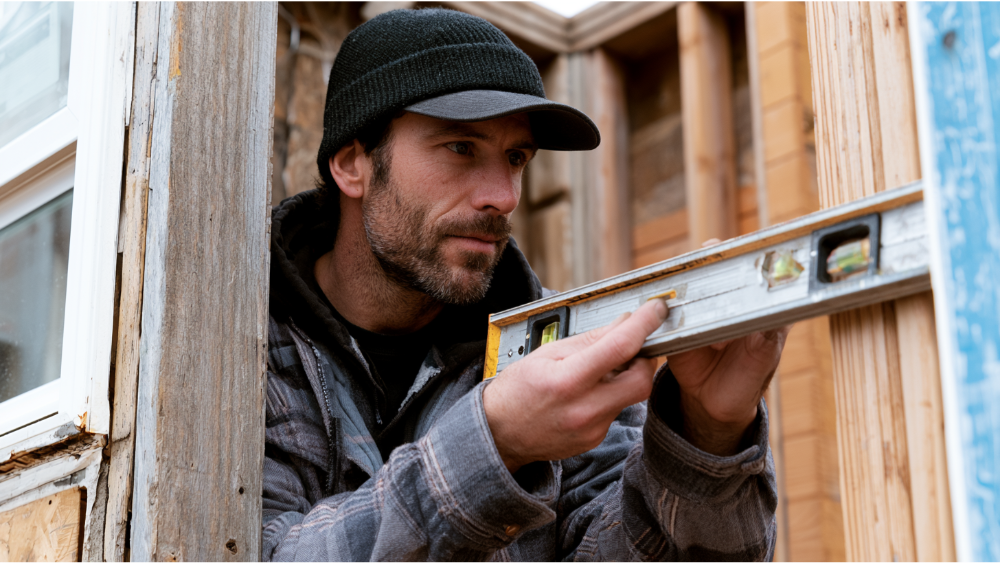
A properly built opening must allow enough space for adjustment while maintaining structural stability. Contractors verify plumb conditions on both sides of the frame, confirm level at the header, and ensure the opening is square from corner to corner.
Even small deviations can affect performance. A slight twist in a stud or uneven floor level can cause long-term issues with operation and sealing. Contractors often note that the frame must be straight within a fraction of an inch to accommodate the door properly. They watch carefully for any difference in diagonal measurements to ensure the opening is square.
Common Problems Found in Existing Openings
In many remodels, the opening is no longer in ideal condition. Homes shift over time, and previous remodel work may have altered the structure.
Common issues include out-of-square framing, uneven studs, settling that affects alignment, and cracks that develop between the frame and wall structure. These issues directly affect performance and must be corrected before installation continues.
Performing Security Verification Before Door Replacement
Adjusting Opening Size – Widening or Narrowing
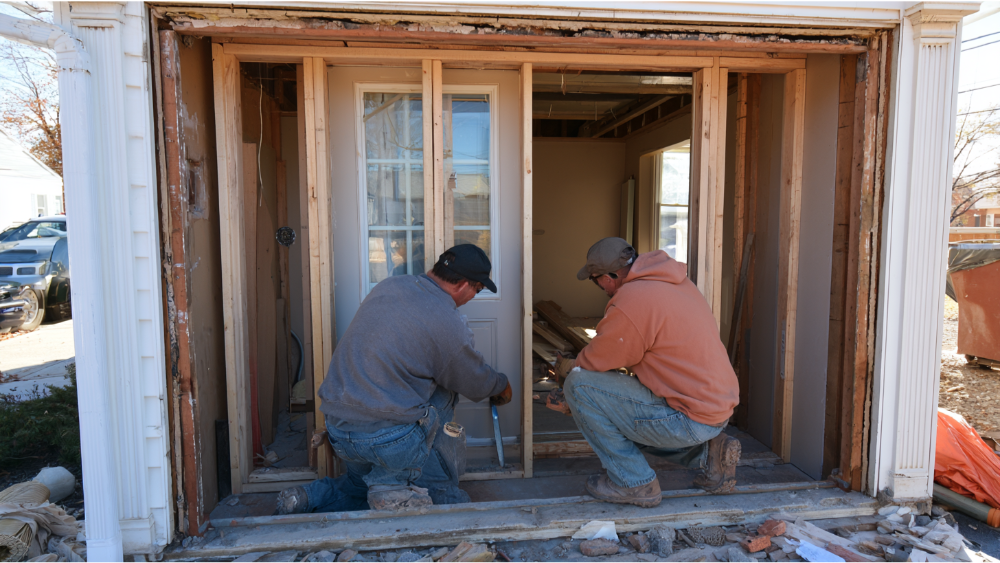
One of the most common framing adjustments involves correcting the width or height of the opening. If the door does not match the existing frame, modifications are required.
Contractors may adjust or replace studs, modify support members, or rebuild sections of the opening to achieve proper fit. The goal is to create a frame that supports the door without forcing it into place.
When the frame is correct, the door aligns naturally, reducing stress on hinges, improving latch function, and ensuring smooth operation.
Correcting Plumb, Level, and Square Conditions
Plumb and level are critical to performance. If the frame leans or twists, the door will swing incorrectly or fail to close properly.
Contractors use shims and structural adjustments to correct alignment. In more severe cases, studs are reset or reframed to restore proper geometry. Hinge screws on the hinge side are also adjusted carefully to ensure the door hangs correctly without binding or gaps.
A properly aligned frame ensures that the door operates smoothly and maintains consistent clearances around the jamb.
Repairing or Reinforcing Structural Headers
The header supports the load above the opening. If it sags or weakens, the entire frame becomes unstable.
Reinforcement may include installing engineered lumber, rebuilding support points, or redistributing load through the wall system. This step ensures the frame remains stable over time and prevents movement that could affect door performance.
Fixing Settled or Shifted Framing
Over time, buildings naturally settle. This movement affects door openings first.
When framing shifts, contractors may need to reposition studs or rebuild sections of the wall. The goal is to restore proper alignment so the door functions correctly and does not bind or drift during use.
Hidden Framing Issues Discovered During Door Replacement
Rot, Moisture Damage, and Structural Wear
Moisture intrusion is one of the most common hidden issues in exterior door replacements. Water exposure can weaken studs and sill plates over time.
When this occurs, damaged materials must be replaced before the new door is installed. This ensures structural stability and protects long-term performance.
Previous Poor Installations or DIY Modifications
It is common to find previous installation work that was not done correctly. These conditions often include excessive shimming, misaligned jambs, or framing that was altered without proper support.
These issues must be corrected before installation continues to ensure the new door performs correctly.
Air and Moisture Intrusion Paths
Gaps in the frame allow air and moisture to enter the structure. This reduces energy efficiency and can lead to long-term damage.
Proper framing adjustments eliminate these gaps and create a tight, controlled seal around the door system.
Exterior Door Framing Adjustments and Security Verification
Sill and Threshold Alignment
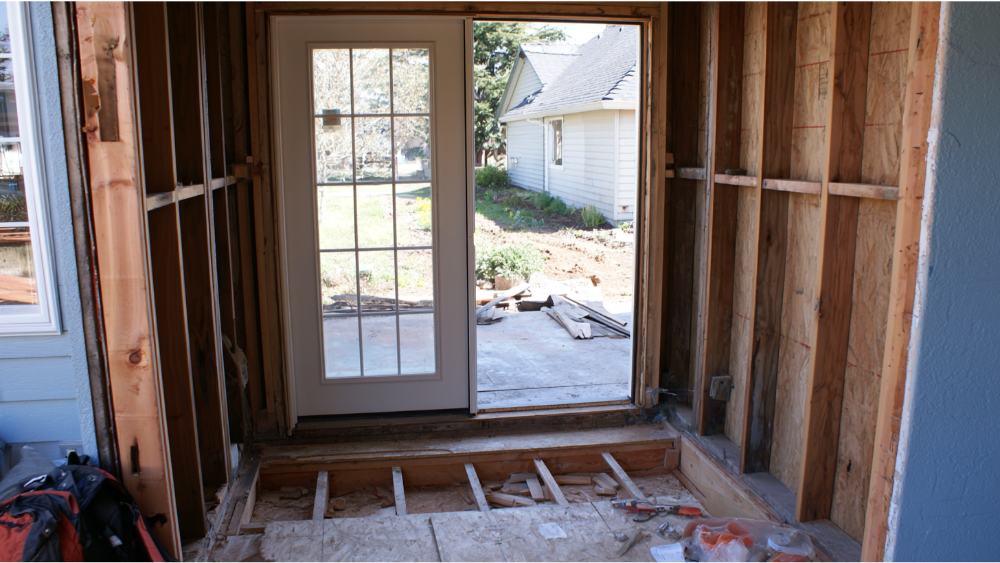
Exterior doors require precise sill alignment to manage water flow. If the threshold is not level or properly positioned, water intrusion can occur.
Correct framing ensures the sill is properly supported and aligned for drainage away from the structure.
Flashing and Weather Barrier Integration
The frame must connect correctly to the building’s weather barrier system. This includes proper flashing integration and sealed transitions around the opening.
Without correct framing, even high-quality materials cannot prevent moisture issues.
Insulation and Energy Efficiency Adjustments
Proper insulation around the frame helps maintain energy efficiency. Gaps must be filled correctly to prevent air leakage while avoiding over-compression that can distort the frame.
Interior Door Framing Adjustments
Non Load Bearing Wall Adjustments
Interior doors are typically easier to modify, but precision is still required. Stud alignment and opening geometry must be correct for smooth operation.
Floor Slope Considerations
Floors are rarely perfectly level. Contractors adjust the frame so the door operates properly even when the floor varies slightly.
Sound and Privacy Improvements
A properly built frame improves sound control and privacy by ensuring consistent contact between the door and jamb.
When Full Reframing Is Necessary
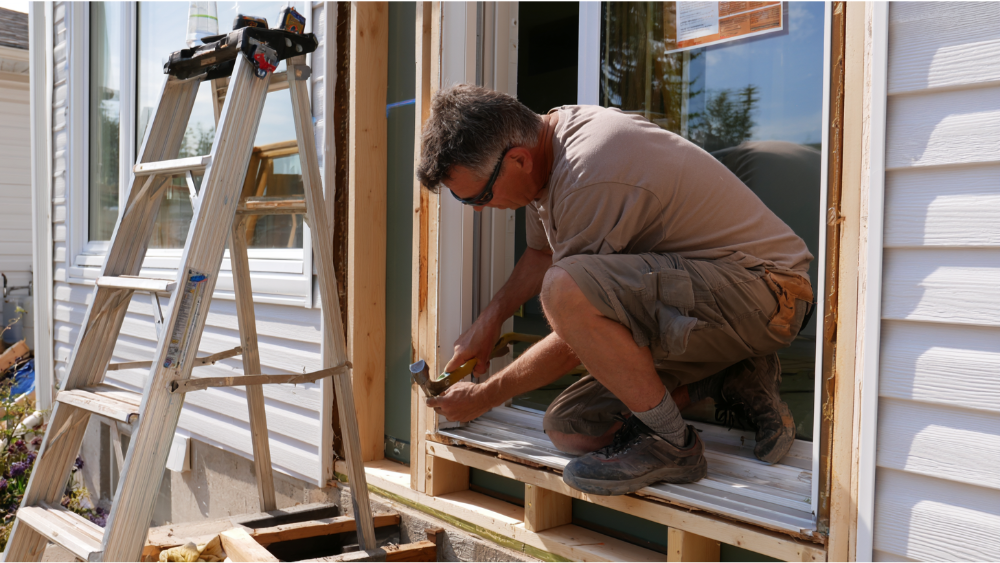
Some situations require full reconstruction of the opening rather than minor adjustment. This includes structural redesigns, major size changes, or load-bearing modifications.
Examples include converting single doors to double systems or expanding openings for accessibility. In these cases, the frame is rebuilt completely to match structural and design requirements.
How Contractors Evaluate Framing Before Installation
Before any door is installed, contractors carefully evaluate the opening. This includes measuring dimensions, checking plumb and level, and identifying any structural issues that could affect performance.
If the frame is within acceptable tolerance, adjustments are made using shims and minor corrections. If not, reconstruction is required to ensure proper performance.
During the process, contractors may use verification successful tools and techniques to confirm measurements and alignment. They also take note of the room conditions and any cracks or irregularities displayed in the framing.
Why Proper Framing Is Critical for Door Performance
A door cannot perform correctly without a properly built frame. Alignment affects every part of the system, from hinges to latch function to overall sealing.
Poor framing leads to air leaks, operational issues, and premature hardware wear. Correct framing ensures long-term durability and consistent performance.
Proper framing also accommodates lock and window installations that may be adjacent to the door, ensuring the entire assembly works harmoniously.
Common Mistakes to Avoid
One of the most common mistakes is forcing a door into a frame that is not properly aligned. This leads to long-term failure.
Another issue is relying too heavily on shims instead of correcting structural problems. Shims are for fine adjustments only and cannot fix major framing issues.
Ignoring structural load conditions or moisture protection steps can also lead to long-term damage and reduced performance.
Professional Best Practices for Framing Adjustments
Successful door installation always starts with structure. Contractors verify alignment first, correct any framing issues, and then proceed with installation.
Shimming is used only for final adjustments, not structural correction. The goal is always to ensure the frame itself is capable of supporting the door system correctly.
During installation, it is important to carefully adjust hinge screws on the hinge side to avoid damage and ensure the door swings open and closes properly.
When to Call a Professional Contractor
If there is visible framing damage, structural movement, or moisture concerns, professional evaluation is necessary. Exterior door replacements and multi-door projects also require experienced oversight to ensure proper results.
Frequently Asked Questions
What framing adjustments are sometimes needed during door replacement?
Common adjustments include correcting the rough opening size, shimming to achieve plumb and level conditions, reinforcing headers, and repairing settled or shifted framing to ensure proper door fit and function.
How do contractors verify if the door frame is plumb and level?
Contractors use levels and measuring tools to check vertical plumb on jambs and horizontal level on the header. They also measure diagonal distances to confirm the frame is square and free of twists.
Why is shimming important in door framing adjustments?
Shimming helps fine-tune the frame alignment by filling small gaps and ensuring the door jamb is completely level and plumb, which is essential for smooth door operation and proper sealing.
When is full reframing necessary instead of minor adjustments?
Full reframing is required when the existing frame is severely damaged, out of alignment beyond tolerance, or when structural changes such as expanding the opening or changing door configuration are needed.
How does moisture damage affect door framing?
Moisture can cause rot and weaken wood framing components, compromising structural integrity. Damaged materials must be replaced to maintain a secure, stable frame for the door.
What are common mistakes to avoid during door framing adjustments?
Avoid forcing a door into a misaligned frame, relying solely on shims for major corrections, and neglecting moisture protection or structural load considerations.
Can interior door framing adjustments be different from exterior door adjustments?
Yes, interior doors often require less structural reinforcement but still need precise alignment. Exterior doors need additional considerations for sill alignment, weather barriers, and insulation.
Conclusion
Proper framing adjustments are critical to the success of any door replacement project. Whether addressing slight misalignments or more significant structural issues, ensuring the frame is plumb, level, and square lays the foundation for smooth door operation, effective sealing, and long-term durability. By carefully evaluating the rough opening, correcting framing defects, and avoiding common mistakes, contractors can guarantee that the new door performs as intended. For complex situations or visible damage, consulting a professional ensures the job is done right, securing your house’s entry and enhancing overall security and comfort.
Note: When working on door replacement projects, it is important to be aware of security service protocols on websites or tools used for project management, as some pages may be displayed with messages about malicious bots or require respond ray id verification to confirm a verification successful process. This ensures safe and secure access to online resources during the project planning and execution phases.
Additionally, after framing adjustments, contractors often explain the next steps, including painting or finishing the trim around the door to complete the installation. Waiting for paint or finish to dry properly is important to avoid damage. It is also supposed that installers watch for any changes in door clearances during this phase to maintain proper function on one side of the door and throughout the frame. Clear communication helps ensure that all involved understand the importance of these finishing touches for a successful door replacement.