What Homeowners Need to Know in 2026

Understanding what voids a home improvement product warranty is essential before you ever sign a contract or approve an installation. In 2026, warranties are more strict, more system-based, and far more dependent on installation quality, documentation, and ongoing maintenance than most homeowners realize.
Most homeowners assume a home warranty or manufacturer warranty will automatically cover repairs when something breaks. In reality, coverage is conditional. A home warranty company or manufacturer will only honor a home warranty claim when every requirement in the home warranty contract is followed precisely. When those conditions are not met, a home warranty claim denied outcome is extremely common.
This guide explains exactly what voids coverage, why systems fail, and how to protect your home systems, appliances, and long-term investment.
Understanding Home Improvement Product Warranties in 2026
A home warranty is not all-inclusive protection. It is a structured agreement that defines exactly what is covered, what is excluded, and what actions can void protection entirely.
A home warranty company typically separates coverage into categories such as home systems, covered home appliances, and major appliance protection. Even when a system or appliance is listed as covered, approval still depends on compliance with installation, maintenance, and service requirements.
In many cases, unknown pre-existing conditions, normal wear, or improper installation will shift responsibility away from the company and back to the homeowner.
What Warranty Coverage Actually Includes and Excludes
A typical home warranty plan or extended warranty will focus on repair or replacement of specific covered appliances or systems that fail under approved conditions. For example, an air conditioning unit or other major appliance may be listed as covered, but only if the failure is due to a manufacturer defect and not installation or maintenance issues.
Common home warranty exclusions include:
- Improper installation, such as drilling into a wall or mixing incompatible parts
- Normal wear and tear
- Lack of maintenance
- Environmental damage beyond rated limits, including weather-related damage
- Pre-existing or unknown conditions
If any of these factors are present, a home warranty claim may be denied even if the system or appliance is technically listed as covered.
Why Home Warranty Coverage Is More Restrictive in 2026
Home warranty companies have increased documentation requirements due to rising repair costs and higher claim volume. Service technicians are now required to verify failure conditions before approval, and manufacturers often audit claims involving systems that break unexpectedly.
This means homeowners must now prove not only that a home system breaks, but also that it was installed correctly, maintained properly, and used within system limits.
Home Warranty Claim Denied: Improper Installation as the Leading Cause of Warranty Voids
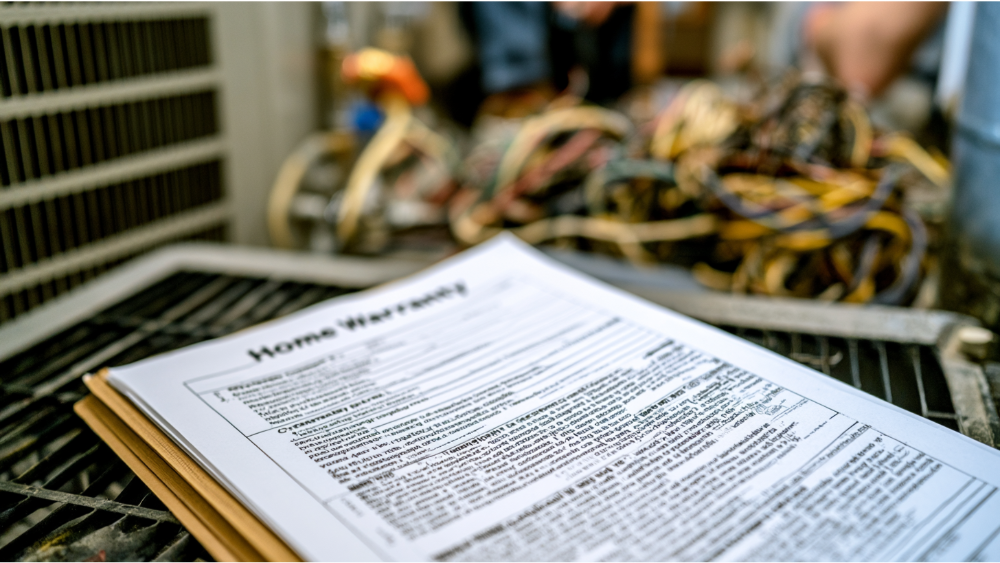
Improper installation remains the most common reason warranty coverage is voided. When systems are not installed according to manufacturer specifications, long-term performance suffers and failures become more likely.
Even small installation errors can impact an entire home system, from electrical performance to plumbing flow or HVAC efficiency.
Contractor Quality and Installation Errors
If a contractor fails to follow manufacturer guidelines, warranty protection can void immediately. This applies across roofing, electrical systems, concrete foundations, and HVAC installations.
A single installation mistake, such as improper wall mounting or mixing components, can affect multiple connected systems in the house, leading to system failure or reduced performance.
Documentation and Proof of Proper Installation
Modern home warranty companies require documentation before approving any home warranty claim. This includes permits, inspection records, photos, and installation verification.
Without proper documentation, a company may determine that unknown pre-existing conditions or improper installation caused the failure and deny coverage entirely.
System Integration Problems
Many home systems rely on interconnected components. If one part is installed incorrectly, it can cause a chain reaction where multiple systems break or fail.
This is especially common in HVAC systems, electrical systems, and water management systems.
Unauthorized Modifications That Void Warranty Coverage
Once a system or appliance is installed, any modification outside manufacturer specifications can void coverage.
Cutting, altering, or retrofitting components may seem minor but can impact system integrity and long-term reliability.
Post-Installation Changes
Modifying walls, drywall, electrical lines, or mechanical components after installation can affect system balance and performance. Even cosmetic changes can sometimes impact coverage if they interfere with system operation.
Non-Approved Parts and System Mixing
Using non-approved parts or mixing manufacturers is one of the fastest ways to void warranty coverage. Home warranty companies and manufacturers design systems to function as complete units.
When components are substituted, systems often break prematurely and warranty protection is removed.
Lack of Maintenance and Normal Wear
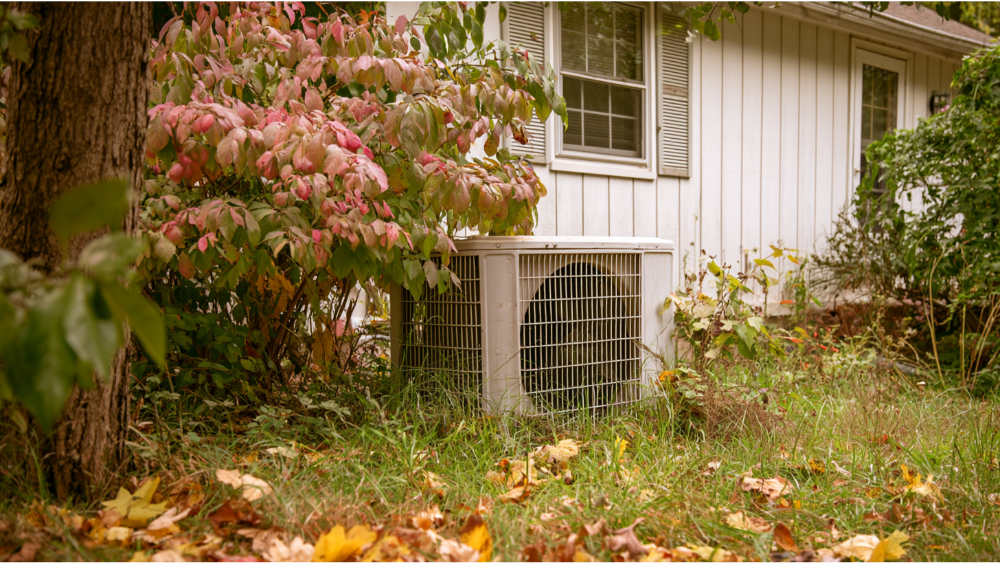
Maintenance plays a major role in whether warranty coverage remains active. Most warranties exclude damage caused by neglect or normal wear and tear.
Maintenance Requirements
Regular maintenance is often required for HVAC systems, plumbing, and other home systems. Failing to maintain equipment increases the likelihood of failure and voids coverage.
For example, an air conditioning unit that is not serviced regularly may fail due to preventable issues, which would not be covered under warranty.
Normal Wear and Tear Exclusions
Normal wear and tear is one of the most common exclusions in any home warranty or extended warranty agreement. Gradual performance decline, cosmetic deterioration, and minor break issues are typically not covered.
Environmental and Site Conditions
Environmental factors can also void warranty coverage if they exceed system design limits.
Weather, soil conditions, and drainage issues can all contribute to system failure.
Weather-Related Damage
Storms, floods, and extreme temperature events often fall outside warranty coverage. These situations are typically handled by insurance rather than a home warranty company.
Structural and Site Issues
Concrete foundations, walls, and framing systems can fail due to shifting soil or poor drainage. These issues are often classified as unknown pre-existing conditions and excluded from coverage.
Mixing Systems and Manufacturer Requirements

Modern warranties increasingly require full-system compliance. This means every component must be compatible and approved.
When incompatible materials are combined, systems may break or underperform, leading to denied claims.
Failure to Register or Activate Warranty Coverage
Many warranties require registration within a specific timeframe. If this step is missed, coverage may be reduced or voided entirely.
Without registration, a home warranty claim may be denied even if the issue would normally be covered.
DIY Repairs and Unauthorized Service Work
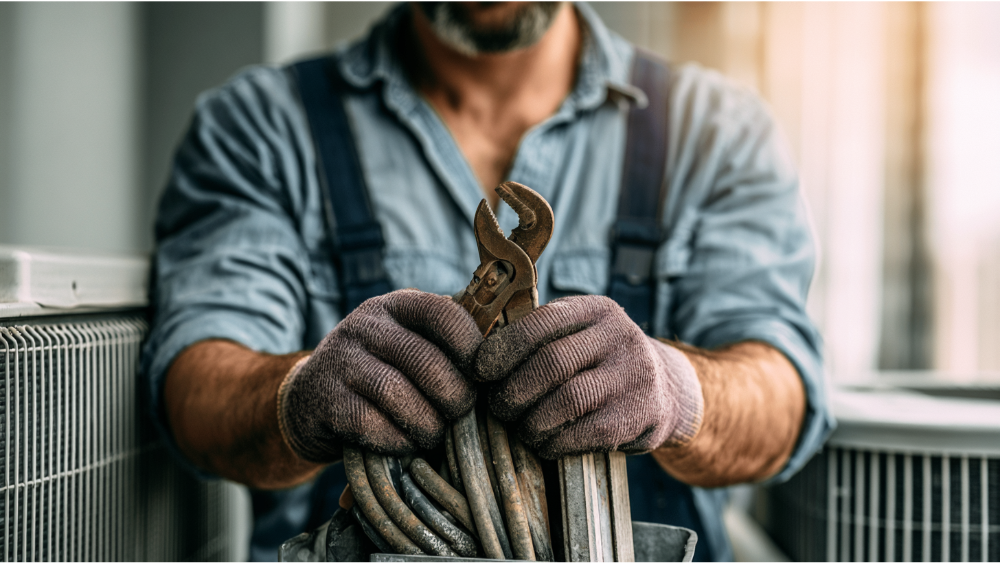
Unauthorized repairs are a major risk to warranty protection. Once a homeowner or unapproved service technician performs repairs, coverage may no longer apply.
Home warranty companies require approved service providers to ensure system integrity and proper diagnosis of failures.
Code Violations and Permit Issues
Unpermitted work or code violations can void warranty coverage completely. Home systems must comply with local building codes and inspection requirements.
If inspections fail or permits are missing, warranty protection may no longer apply to affected systems.
Delayed Reporting of Damage
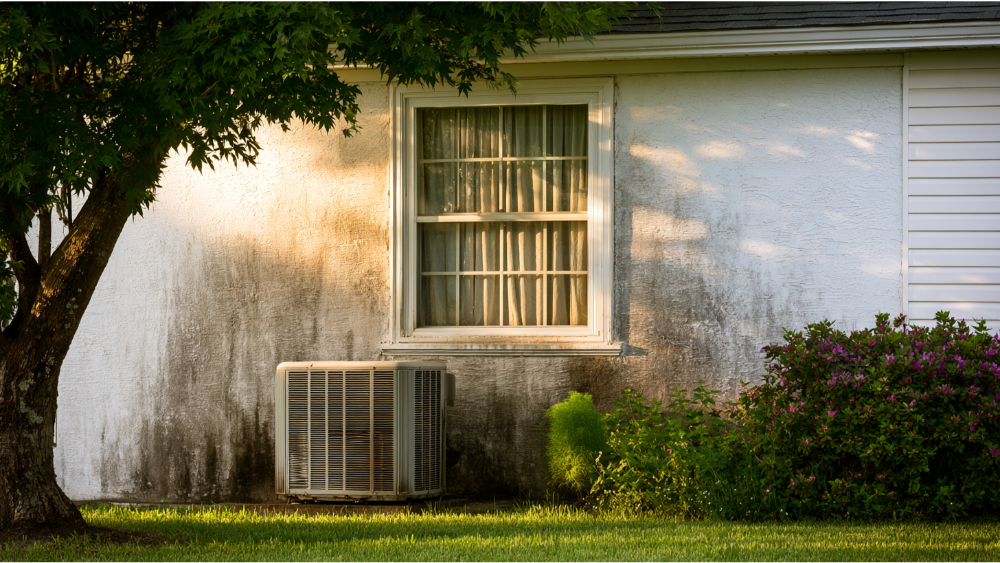
Timely reporting is essential. If issues are not reported quickly, damage can spread and become excluded from coverage.
Secondary damage such as mold, structural deterioration, or extended system failure may not be covered if reporting delays occur.
Common Misunderstandings About Warranty Coverage
Many homeowners misunderstand how warranties actually work.
A lifetime warranty does not mean unlimited protection. Coverage is always limited by exclusions, conditions, and system requirements.
Covered appliances may still have limitations based on installation, maintenance, or usage conditions. A home warranty plan is not the same as insurance, and each serves a different purpose.
How to Protect Your Warranty and Your Investment

Protecting warranty coverage starts with proper installation and continues with maintenance and documentation.
Working with qualified professionals reduces the risk of improper installation and system failure. Keeping detailed records of installation, maintenance, and service ensures smoother claim approval if issues arise.
Following manufacturer requirements and avoiding system modifications helps preserve long-term coverage and reduces the risk of unexpected repair costs.
Frequently Asked Questions
What voids a home improvement product warranty?
A home improvement product warranty can be voided by improper installation, unauthorized repairs or modifications, using non-approved parts, lack of maintenance, environmental damage, and failure to register or activate the warranty.
Can DIY repairs cause my warranty to be voided?
Yes. Performing DIY repairs or using unapproved service technicians often voids your warranty because it may cause further damage or improper fixes that the manufacturer or warranty company will not cover.
How does improper installation affect my warranty coverage?
Improper installation is one of the leading causes of warranty denial. If a product or system is not installed according to manufacturer specifications or local building codes, the warranty company may deny claims related to failures or damage.
What should I do if my warranty claim is denied?
If your claim is denied, review the warranty terms carefully, gather all documentation such as maintenance records and installation proof, and contact the warranty provider to clarify the reasons. In some cases, you can appeal the decision or seek further assistance.
Does environmental damage affect my warranty?
Yes. Damage caused by weather events, poor site conditions, or natural disasters typically falls outside of warranty coverage and is usually handled by homeowners insurance instead.
How can I maintain my warranty coverage?
To maintain coverage, ensure proper installation by licensed contractors, keep up with all required maintenance, use approved parts and service providers, register your warranty promptly, and report issues as soon as they occur.
Conclusion
Understanding what voids a home improvement product warranty is crucial for protecting your investment and avoiding unexpected repair costs. In 2026, home warranty companies have tightened requirements around installation quality, maintenance, and documentation. By working with qualified professionals, following manufacturer guidelines, maintaining your home systems and appliances, and promptly addressing any issues, you can ensure your warranty remains valid. Always review your warranty contract carefully, keep detailed records, and communicate openly with your builder, sellers, or warranty providers. Taking these steps will help you stand firm in protecting your home and the money you’ve invested in it, ensuring you don’t have to replace costly systems or appliances prematurely or face unexpected costs beyond your budget. Remember, when paying for a home warranty or product, the difference in coverage and terms can matter greatly, so confirm all details before completing your purchase or signing any agreement. If a warranty claim is denied, inquire about a refund or other remedies, as some companies offer options depending on the situation and your paying history. Avoid mixing business uses with residential warranties, as this can also void coverage and complicate claims. Finally, always report issues promptly to prevent further damage and rest assured that proper care and adherence to warranty terms will protect your home investment for years to come.