Key Takeaway
A window sill is the horizontal piece at the base of a window opening that sheds rainwater away from the wall, supports the window frame, and helps seal out drafts. Understanding window sill purpose, materials, and common problems helps homeowners catch moisture damage early. Most issues trace back to water intrusion, and the EPA recommends drying any water-damaged area within 24 to 48 hours to prevent mold.
A window sill is the horizontal piece at the bottom of a window opening. On the outside, it sheds rainwater away from the wall. On the inside, it finishes the opening and gives you a small ledge. If you’re standing in front of a cracked, stained, or soft window sill wondering whether it’s a quick fix or the start of a bigger window problem, that instinct is worth trusting. The sill is part of your home’s water management and comfort system, not just a shelf. This guide covers what a window sill does, what they’re made of, the common problems and what they mean, and a simple way to decide whether you can repair it or need to replace the window.
What Is a Window Sill? Purpose, Materials, and Common Problems at a Glance
Before the details, it helps to see the big picture. The primary function of a sill is water management, and window sills offer protection for the wall behind them. Different materials handle that job in different ways, and most problems come down to moisture reaching a spot it shouldn’t.
Window Sill vs. Window Stool vs. Apron vs. Sill Pan
These terms get mixed up all the time, so let’s sort them out before we go further.
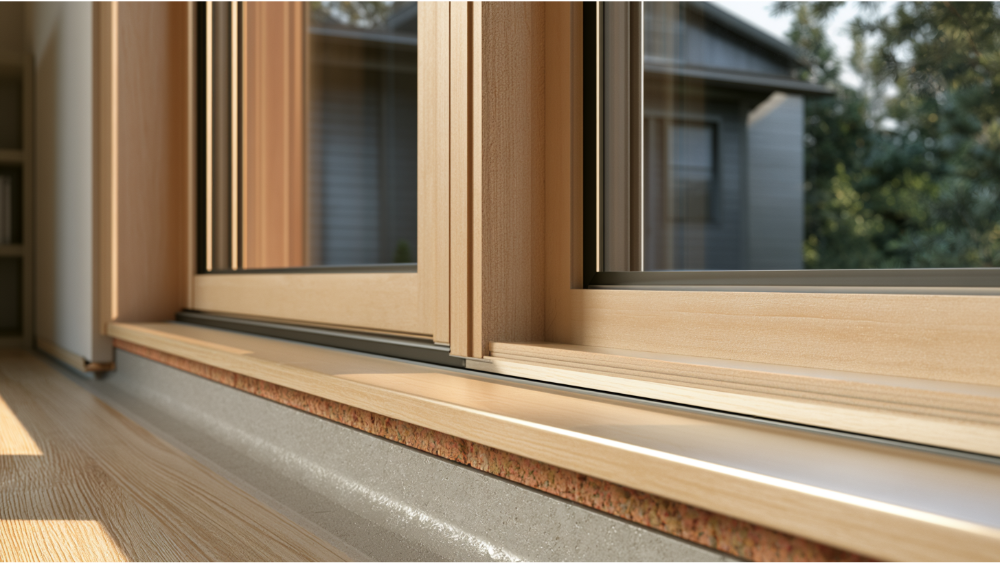
- Sill: the horizontal piece at the base of the window opening.
- Stool: the flat interior ledge most people call the “window sill,” and the part you set plants or decor on.
- Apron: the trim directly beneath the stool.
- Sill pan: a waterproof tray under the window that catches incidental water and drains it back outside.
Homeowners usually call the inside ledge a sill; pros may call it a stool. That difference matters because an interior trim issue and an exterior water issue call for very different repairs.
What Does a Window Sill Do?
A well-built window sill does more than most people realize:
- Sheds water away from the wall. The exterior sill is sloped outward so rain snow and runoff move off instead of pooling, often with a drip edge to direct water clear of the wall.
- Supports and finishes the bottom of the window frame and opening, contributing to the structural integrity of the assembly.
- Helps reduce drafts and improve energy efficiency when it’s properly installed and sealed, which can lower cooling costs.
- Adds curb appeal and aesthetic appeal outside and a usable ledge inside for plants or decor.
- Works with flashing and drainage details to keep moisture out of the wall assembly.
When any of these jobs breaks down, water finds its way into places it shouldn’t, and that’s where the trouble usually starts.
Interior Window Sills vs. Exterior Sills
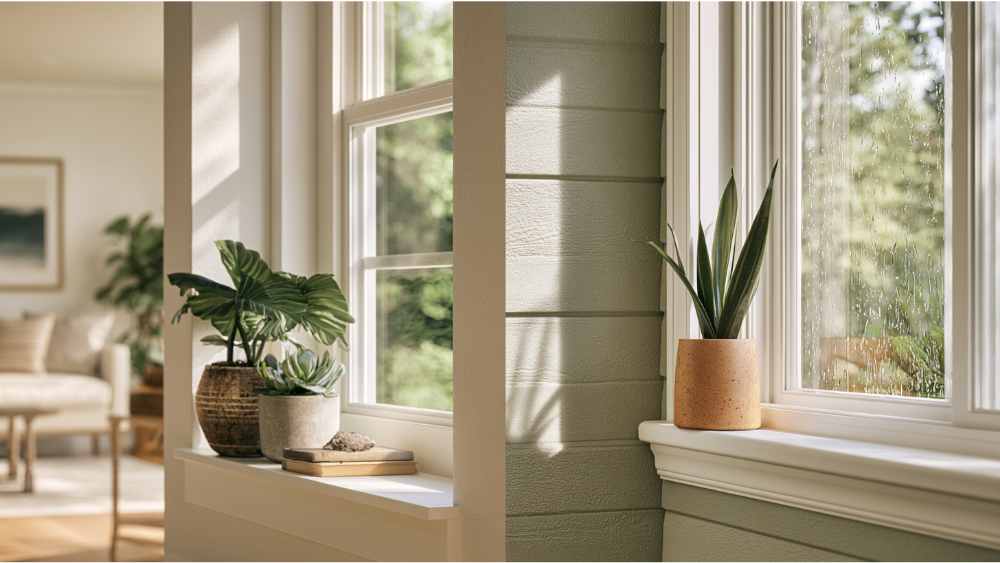
These two parts live in different worlds. Interior window sills (technically the stool) are level and decorative, a small shelf for plants and everyday odds and ends. The exterior sill is sloped, exposed to rain and sun, and built to move water off the surrounding frame and wall.
Confusing the two leads to the wrong material choice and the wrong repair. Refinishing a scuffed interior ledge won’t stop water sneaking in from a failing exterior sill, and sealing the outside won’t fix a scratched interior surface. Knowing which one you’re looking at saves time and money. Interior window sills also set the tone for a living space, which is why the material you choose matters as much for looks as for durability.
Common Window Sill Materials
The right material depends on where the window sill lives and the weather conditions it faces. Exterior sills need weather resistance; interior sills lean more toward looks and easy upkeep. Different materials suit different spots, and picking the best material up front saves you from redoing the work later. Window design plays a role too, since clean lines on a modern home ask for something different than a traditional interior.
| Material | Best For | Pros | Drawbacks / Maintenance |
|---|---|---|---|
| Wood | Classic interiors, traditional homes | Warm, timeless appeal | Water-sensitive; wooden sills need regular painting or a protective coating to prevent rot and water damage |
| Vinyl / composite | Moisture-prone spots | Moisture-resistant, low-maintenance | Fewer natural-material aesthetics |
| Aluminum / metal | Exterior, modern designs | Strong, lightweight; metal sills and galvanized steel resist weathering | Can conduct temperature; may show surface wear over time |
| Natural stone / marble | Premium interior and exterior use | Durable, highly weather-resistant | Heavier and costlier; stone sills should be sealed |
| Concrete / masonry | Budget exterior applications | Solid, budget-friendly | Less durable than natural stone; can develop cracks |
| Tile | Decorative interior ledges | Easy to clean, design flexibility | Grout lines need upkeep; better indoors |
A Closer Look at Wooden Sills and Natural Stone Sills
Wooden sills bring warmth and a traditional feel that’s hard to match, but wood is the most vulnerable material to moisture. Left unsealed, wood absorbs water, swells, and eventually rots. A fresh coat of paint or sealer every few years is what keeps wood sills sound.
Marble sills sit at the premium end. Marble and other natural stone options resist heat and weather well, which makes stone sills a strong pick for sunny spots and for exterior use. They add real aesthetic value with a timeless appeal. Marble is heavier and costlier, and because stone is porous, it should be sealed to keep out moisture and water stains. Vinyl sills, by contrast, require minimal maintenance and shrug off moisture, which makes them a practical choice for busy households. Sealed and properly maintained, marble window sills hold their look for decades.
Common Window Sill Problems and What They Mean
Most window sill problems trace back to one thing: moisture. Catching the early signs keeps a small repair from turning into costly repairs.
| Problem | What It Usually Means |
|---|---|
| Rot or soft spots | Moisture intrusion, failed paint, or an exterior leak (wooden sills are most vulnerable, often showing spongy wood) |
| Swelling, bubbling, or flaking paint | Repeated moisture exposure and water damage over time |
| Mold growth or a musty smell | Condensation, a hidden leak, or high indoor humidity |
| Water pooling or discolored patches | Poor slope, blocked drainage, or a failed seal that leaves water stains |
| Cracks or separation | Movement, aging caulk, freeze-thaw on stone or concrete, or the wrong material for the location |
| Drafts | An air-sealing gap or a window that’s no longer performing |
| Insect damage | Moisture-softened wood or open gaps that invite pests |
Mold Growth, Condensation, and Water Stains on the Window Sill
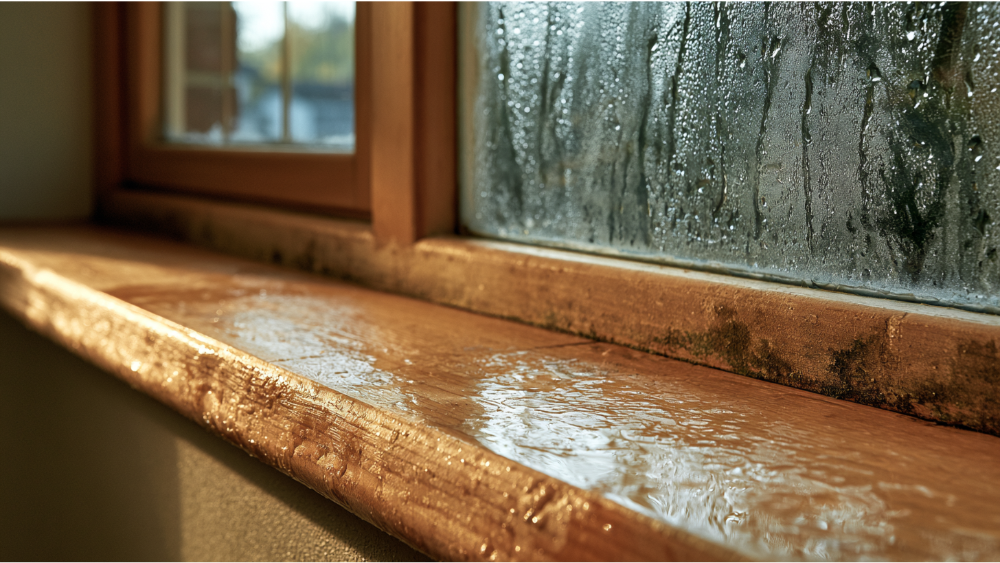
Moisture collects on cold glass and window sills because colder air holds less moisture, so it condenses on cool surfaces. A little morning fog isn’t unusual. Recurring water is a warning sign, and left alone it leads to water stains, discolored patches, and mold growth on the sill.
The EPA’s guidance is simple: dry water-damaged areas within 24 to 48 hours to help prevent water damage and mold, and keep indoor humidity below 60%, ideally between 30% and 50%. Many homeowners can clean up mold covering less than about 10 square feet themselves. But if mold keeps coming back after cleaning, or spreads beyond that, you’re likely dealing with a hidden leak or a window problem that needs a closer look.
Is It a Sill Problem or a Window Problem? A Step by Step Guide
You don’t have to guess. Here’s a straightforward, step by step guide to think it through:
- Clean or maintain if you’re dealing with minor dirt or surface mildew.
- Repair if the damage is isolated and the wood or material is still sound underneath.
- Replace the sill or trim when rot or swelling is localized and limited to the sill itself.
- Consider full window replacement if you see frame rot, repeated leaks, fogging between panes, drafts, poor operation, failed flashing, or wall damage around the opening.
The deeper the problem goes into the window frame or wall, the more a new, properly installed window pays off compared with patching the same spot again and again.
Why Proper Installation Matters When You Install Window Sills
A window sill only works when the water management system behind it works. That system includes a sill pan, flashing, and integration with the home’s weather-resistant barrier, all layered shingle-fashion so water is always directed outward and down. When crews install window sills the right way, moisture never gets the chance to reach the wall, which protects the structural integrity of the opening.
A good sill pan has four plain-English marks: it’s made of durable waterproof material, it slopes or has a back dam so water can’t run inward, it has end dams to contain water at the sides, and it laps over the drainage plane below. One thing surprises a lot of homeowners: the bottom of the opening needs to stay open to drain. Sealing it shut with caulk can trap moisture and cause hidden water damage. Following the manufacturer’s instructions also protects your warranty. Industry standards like ASTM E2112 and IRC pan-flashing requirements exist for exactly these reasons.
Regular Maintenance for Long Lasting Performance
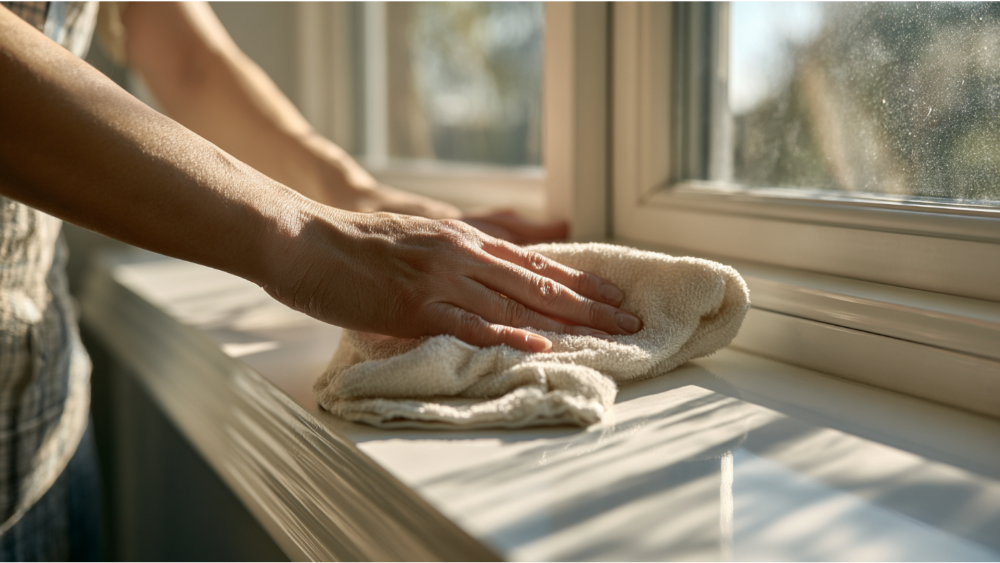
A little regular upkeep keeps window sills healthy and helps you spot trouble early. Regular maintenance and regular inspections are the simplest way to protect long lasting performance:
- Wipe condensation off glass and sills quickly, before it soaks in.
- Handle regular cleaning with a soft cloth and a pH neutral cleaner to remove dirt and prevent staining.
- Keep weep holes and drainage paths clear.
- Repaint or reseal wooden sills periodically to guard against rot and water damage.
- Give natural stone or marble sills regular sealing to protect them from moisture and water stains.
- Inspect seasonally for cracks, soft spots, flaking paint, or recurring moisture.
- Keep indoor humidity in a healthy range to limit mold growth.
- Call a professional if water returns after you’ve cleaned or re-caulked.
Low-maintenance materials like vinyl need only minimal maintenance, while wood and stone reward a bit more attention with years of good looks.
What Northern California Homeowners Should Know
Homes across Sacramento and Northern California face hot summers, strong sun exposure, and seasonal rain that put real stress on sills and window seals over the years. Those weather conditions are hard on wood, and even stone benefits from proper maintenance and regular sealing. When a window sill problem points to failing windows, replacement units should be chosen and installed with Title 24, Energy Star® certified performance, and local code in mind to help prevent water damage and keep cooling costs down.
We understand Northern California building codes, energy standards, and climate needs, and that shapes every project we take on. With factory-direct Anlin windows and professional installation, your new windows are set up for comfort, efficiency, and durability that lasts.
When to Call a Professional
Reach out before a small issue becomes a costly repair if you notice any of these:
- Water that keeps returning after cleaning or caulking.
- A soft, crumbling, or rotting window sill.
- Mold growth beyond a small surface area.
- A window that won’t open or close correctly.
- Drafts or rising energy bills.
- Visible frame or wall damage.
- Pre-1978 painted trim (assume lead paint and use lead-safe practices).
Frequently Asked Questions
What is the difference between a window sill and a window stool?
Why are exterior window sills sloped?
Can a rotten window sill be repaired?
Which window sill material lasts longest?
Do replacement windows need to meet Title 24 in California?
Let’s Get Your Window Project Started
If your window sill problem points to a bigger window issue, we can help you understand your options without any pressure. Elevate Construction & Window Installation offers a free, no-obligation estimate backed by professional installation, the Anlin Limited Double Lifetime Warranty, and our 10-year labor warranty. Call (916) 202-2282 or get a free estimate and let’s keep your home comfortable and protected for years to come.