Key Takeaway
Board and batten siding is a vertical cladding style that pairs wide boards with narrow battens over the seams, costing roughly $5 to $15 per square foot installed depending on material. For most Northern California homes, fiber cement like James Hardie is the top choice: noncombustible, low maintenance, and backed by a 30-year non-prorated limited warranty. It works best on farmhouse, Craftsman, transitional, and modern exteriors, and can cover the whole house or serve as an accent on gables and entries.
Board and batten siding is a vertical siding style built from wide vertical boards with narrow battens covering the seams between them. Those clean vertical lines create strong shadow lines and real curb appeal, which is why the look shows up so often on farmhouse, Craftsman, and modern homes. It’s a good fit for many houses when the style suits the architecture and the siding material is chosen for the local climate. But siding costs vary a lot depending on your material, home size, and how much prep the walls need. If you like the look and you’re weighing it against your budget and long-term maintenance, this guide on board and batten siding styles costs and is it right for your home walks you through the styles, honest cost ranges, a plain-language material comparison, and a simple checklist to help you decide.
What Is Board and Batten Siding?
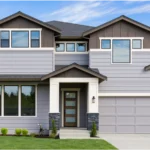
Board and batten is a vertical cladding style with two parts. Wide boards run top to bottom on the wall, and narrow battens sit over the seams where those boards meet. The result is a repeating pattern of raised strips and deep shadow lines that reads as both historic and current. Each wide batten siding board carries the field of the wall, and the batten covers the joint between them.
There are two ways to build it. The traditional method uses separate boards and battens installed individually. The modern method uses manufactured batten panels paired with trim battens to create the same look with fewer moving pieces. James Hardie, for example, combines Hardie® Panel Vertical Siding with Hardie® Trim battens to achieve board and batten.
The vertical orientation does something traditional horizontal siding can’t. It draws the eye upward, which makes single-story homes feel taller and gives most exteriors a cleaner, more contemporary line. That shift in proportion is a big part of why homeowners choose it to boost curb appeal.
Why Homeowners Love the Board and Batten Look
The appeal comes down to dimension. Those raised battens catch light and cast shadow across the day, so your home’s exterior never looks flat. Add the height that vertical lines create, and you get curb appeal that photographs well and holds up in person.
It also flexes across styles. Board and batten looks at home on modern farmhouses, Craftsman bungalows, transitional builds, and clean contemporary designs. You can wrap the whole house in it or use it as an accent on a gable, entry, or second story to add character without overwhelming the facade.
One honest note before you commit: not every home needs full-house board and batten siding. On some elevations, an accent panel reads better than covering every wall. The right amount depends on your home’s proportions, which is exactly what the styles below help sort out.
Popular Board and Batten Siding Styles and Other Siding Styles
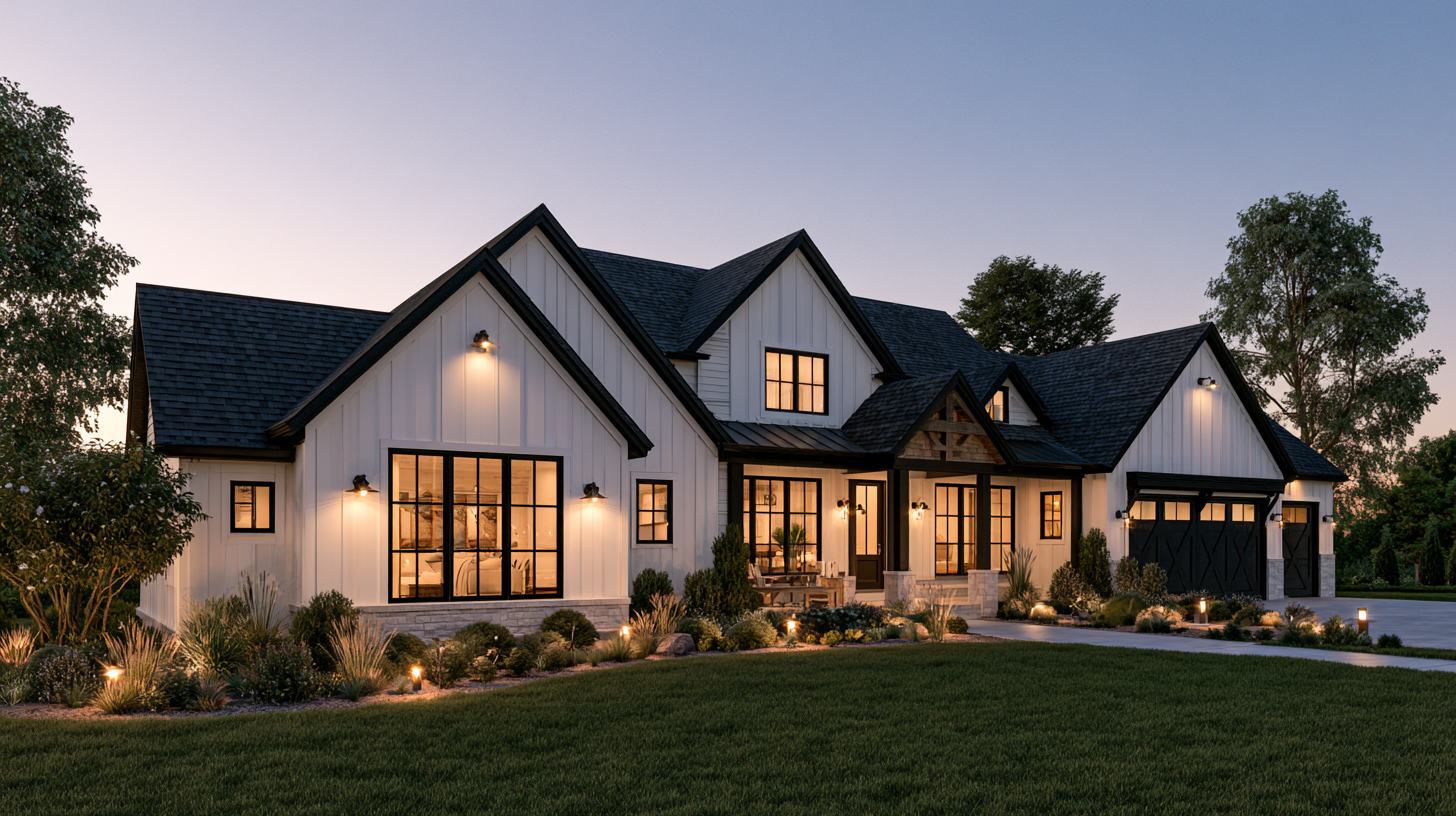
- Classic vertical board and batten. Wide boards with narrow battens over each seam, running full height. The timeless version, equally at home on farmhouse and modern exteriors, with a rustic charm many homeowners want.
- Reverse board and batten. The battens sit behind and the wider boards sit in front, flipping the depth of the shadow lines for a subtler effect.
- Full-house board and batten. Vertical siding across the entire exterior for a bold, cohesive statement that maximizes the height effect.
- Accent board and batten siding. Used on gables, dormers, entries, or second stories to add texture and interest to specific architectural features.
- Mixed siding. Board and batten paired with horizontal lap or shake siding for a layered exterior. Manufacturer design guidance supports mixing patterns for depth.
- Texture and color. Choose smooth for a modern feel or wood-grain for warmth. Light neutrals lean farmhouse; deep charcoals and blacks lean modern. Varying batten widths also changes the rhythm of the wall.
Board and Batten Siding Options Compared: Fiber Cement, Engineered Wood, and Batten Vinyl Siding
| Material | Best for | Pros | Watch-outs |
|---|---|---|---|
| Fiber cement siding (James Hardie) | Durability, fire resistance, premium value | Noncombustible cladding, strong warranty, low maintenance | Requires skilled installation |
| Engineered wood (LP® SmartSide®) | Warm wood look with engineered stability | Board and batten look, 5/50 warranty | Confirm code/WUI fit by project |
| Vinyl siding | Lower upfront cost | Lightweight, easy upkeep | Less depth, heat and fire concerns |
| Natural wood | Historic or rustic authenticity | Warm, genuine look | Higher maintenance, combustible |
| Metal | Specialty modern or rural use | Durable, resists cracking and warping | Niche application |
For most Northern California homes, we point homeowners toward James Hardie fiber cement siding. It’s a noncombustible cladding tested to ASTM E136, it holds paint well, and it stands up to heat and sun with very little upkeep. James Hardie backs the substrate with a 30-year non-prorated limited transferable warranty, and its ColorPlus® Technology finish carries a 15-year limited warranty against peeling, cracking, and chipping. As a factory-direct partner, we install it the way the manufacturer intends.
LP® SmartSide® engineered wood is a strong alternative if you want a warmer, more natural wood look than raw lumber, with better stability than real wood on its own. It carries a 5/50-year prorated limited warranty. A vinyl board option remains the lowest upfront choice, and batten vinyl siding is genuinely minimal maintenance, but it offers less depth in the shadow lines and doesn’t match the comfort, efficiency, and durability that fiber cement delivers in our climate. A metal board or full metal siding is durable and resists warping, but it stays a niche pick for modern or rural builds. Whichever siding board you choose, the material sets the tone for both the aesthetic appeal and the long-term upkeep.
Batten Siding Cost: How Much Does It Run Per Square Foot?
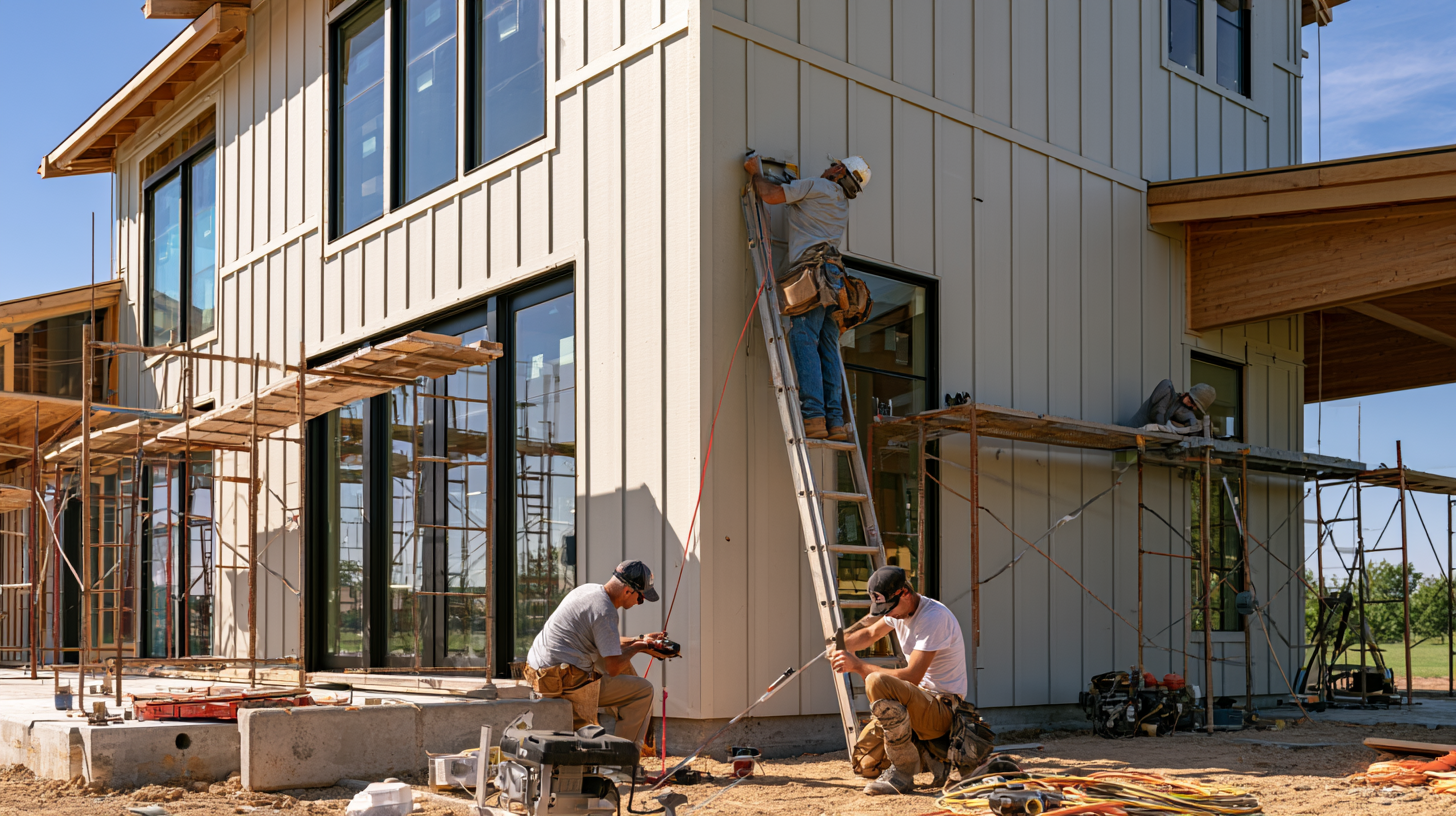
Nationally, installed board and batten often lands somewhere around $5 to $15 per square foot, with one 2026 cost guide reporting an average near $7.72. Total project figures for a 2,000-square-foot home run roughly $8,500 to $27,300, with one national average around $10,600. Those are planning ranges, not quotes, so treat the numbers as a starting point for your initial investment.
Here’s how the batten siding cost ranges break down by material, based on current national cost guides:
- Vinyl siding: about $5 to $9 per square foot installed
- Natural wood siding: about $5 to $15 per square foot installed
- Engineered wood: about $7 to $12 per square foot installed
- Fiber cement siding: about $6 to $15 per square foot installed
Of the installed total, higher material costs account for a portion and labor costs for the rest, with labor often falling in the low-to-mid single digits per square foot. One thing to plan for: Northern California siding projects can run higher than national averages, sometimes up to about 50 percent, because of your local labor market and cost-of-living differences. The only number you can rely on is a project-specific free estimate for your actual home.
Cost Factors: What Affects Your Final Siding Costs?
Two homes of the same size can price out very differently. The biggest cost factors behind your siding costs:
- Full-house siding versus an accent area
- Your chosen material and finish
- Removing and disposing of existing siding (national estimates run about $0.70 to $2.00 per square foot; verify locally)
- Hidden rot, water damage, or framing repairs found once the old siding comes off
- Number of stories and how easy the walls are to reach
- Trim, corner trim, and flashing around windows and doors
- Insulation or Title 24-related upgrades triggered by the work
- Permit requirements
- HOA or neighborhood design rules
- Prefinished panels versus painted or stained on site
The cheapest quote isn’t always the best value. Other cost factors like corners cut on prep, flashing, or product quality tend to show up as leaks and repairs a few years later. Material and labor both matter, but so does the quality of the batten siding installation behind them. That’s the opposite of the peace of mind you’re paying for.
Is Board and Batten Siding Right for Your Home?
It may be right if:
- You want stronger curb appeal
- You like vertical, dimensional design
- Your home fits farmhouse, Craftsman, transitional, or modern styling
- You want a premium exterior built to last from durable materials
- You want low-maintenance siding with strong warranty backing
- You’re already planning a larger exterior upgrade or new siding
It may not be the best fit if:
- Your home’s proportions would look busy with vertical lines everywhere
- You only want the lowest possible upfront price
- You aren’t ready to address hidden wall damage, insulation, or flashing
- Your HOA requires a different pattern or material
- A targeted siding repair would solve the problem better than a full siding replacement
What Sacramento and Northern California Homeowners Should Consider
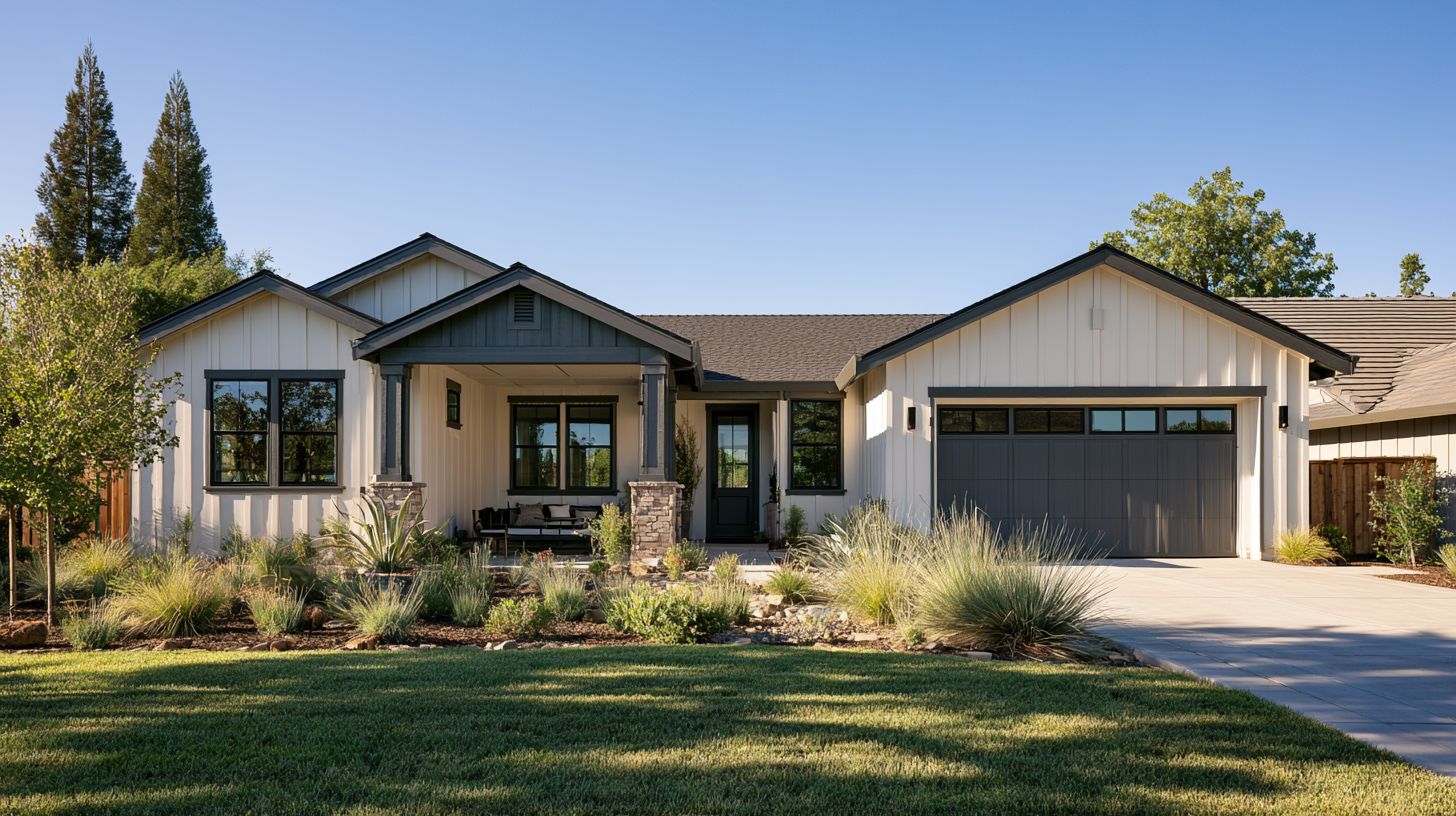
Local conditions should shape your material choice as much as the look does. Our summers bring long stretches of heat and intense sun, followed by a wet winter. Fiber cement holds its color and shape through that swing with minimal maintenance, and it resists insect damage that can plague a traditional wood board over time, which is why it fits so well here.
Wildfire risk matters too. CAL FIRE’s home-hardening guidance flags combustible siding and any gaps larger than 1/8 inch as ember vulnerabilities, and it recommends noncombustible or ignition-resistant materials. If a full replacement isn’t in the budget, CAL FIRE suggests noncombustible siding for at least the bottom 2 feet from the ground. The California Department of Insurance’s Safer from Wildfires framework lists fiber cement as an example of a noncombustible material for the bottom 6 inches of exterior walls. Some insurers and the California FAIR Plan have offered home-hardening discounts tied to these measures, so it’s worth confirming current availability with your carrier before you rely on it.
Siding work can also intersect with Title 24, California’s energy code. When existing siding is removed, altered-wall provisions may call for insulation upgrades (references include R-15 in 2×4 framing and R-21 in 2×6 framing in certain scenarios). Because it depends on the project, we verify requirements with your local building department. Sacramento planning and building rules can also apply, especially when you change materials or own a historic property. Knowing these regional codes and climate needs is part of what we bring to every Northern California siding project.
Why Professional Installation Matters More Than the Pattern
With board and batten, the long-term result rides on the install system behind the siding, not the pattern you see. This vertical installation has more seams and trim transitions than horizontal lap, so water management has to be precise. Every batten siding board and every narrow batten has to be set with that in mind.
A proper professional installation starts with a code-approved weather-resistive barrier before any siding goes up. From there it depends on the details: flashing and flashing tape around every window and door, corrosion-resistant fasteners on the wide boards, correct spacing so the boards can move with temperature changes, and battens set cleanly over the seams. The 2025 California Residential Code requires a weather-resistant wall envelope with flashing and a way to drain water that gets behind the cladding, and James Hardie’s own instructions call for vertical trim at all panel joints to meet moisture requirements. Vertical installation requires that kind of attention, and even the way crews install board and batten strips affects how well the wall sheds water over time.
This is where our process protects you. Our skilled team follows manufacturer instructions to the letter, and we finish every job with a final walkthrough. You get the James Hardie manufacturer warranty on the primary siding plus our own 10-year labor warranty on the installation. Those are two separate protections working together. Our support doesn’t end when the last board goes up.
Board and Batten vs. Traditional Siding
| Board and batten | Horizontal lap siding | |
|---|---|---|
| Look | Vertical shadow lines, adds height, modern or farmhouse feel | Horizontal rows, classic and familiar |
| Cost | Often runs a bit higher due to extra battens and trim | Typically lower material and labor |
| Maintenance | Low with fiber cement | Low with fiber cement |
| Best use | Modern, farmhouse, transitional, and accents | Traditional and broad appeal |
Many homeowners don’t choose one or the other. Mixing traditional siding on the main walls with board and batten on gables or a second story gives you dimension without going all-in on vertical lines everywhere. It’s a flexible way to weigh your siding options against your budget and the look you want.
Getting a Stress-Free Board and Batten Siding Estimate
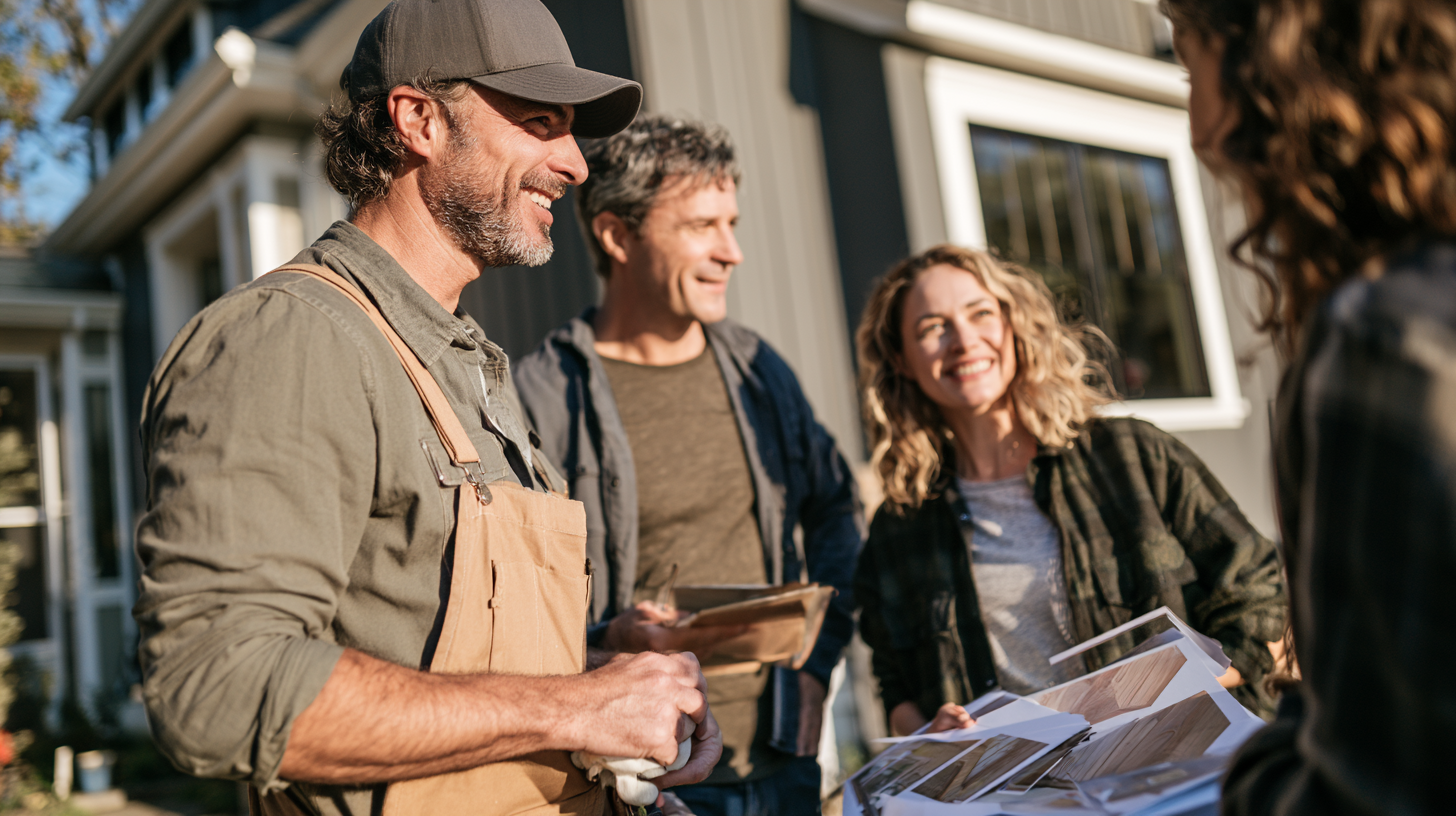
We keep the process simple. A free consultation starts with your style goals, then a look at your current siding to check for hidden damage. We walk through material options, including James Hardie fiber cement and LP® SmartSide® engineered wood, and explain any Title 24 or permit implications for your specific home.
Cost shouldn’t be the barrier to quality. We offer 0% APR financing through our lending partners, with 100% project financing available on approved credit, and we review the terms with you during your consultation. We’ll also lay out both warranties clearly: the manufacturer’s coverage on the product and our 10-year labor warranty on the work.
Ready to see what board and batten siding would look like on your home? Get A Free Estimate, no commitment required, or call us at (916) 202-2282. Let’s get your project started.