Key Takeaway
A garden window is a box-shaped window that projects 12 to 24 inches outward from your exterior wall, with glass on the front, sides, and an angled top, creating a built-in shelf that functions like a mini greenhouse. Kitchen garden windows installed above the sink are the most common application, delivering up to 30% more natural light than a comparable flat window. Frame material, glass package, and installation quality determine how well the unit performs long-term.
A garden window is a compact, box-like window that extends outward from your home’s exterior wall. It has a front pane, glazed side panels, an angled glass roof, and a deep interior shelf at the base, so natural light comes in from several directions at once. Most garden windows are installed above a kitchen sink, where the shelf holds herbs, indoor plants, or decorative items you want sitting in the sun. California’s energy code describes them as three-dimensional, five-sided units that generally protrude from the wall, with an operating sash that may or may not be included.
If you’re weighing kitchen garden windows for your own home, treat this as your ultimate guide: how they work, the honest tradeoffs, what the label really says about energy performance, and what to check before garden window installation day.
What Is a Garden Window? A Kitchen Favorite Explained in Plain Terms
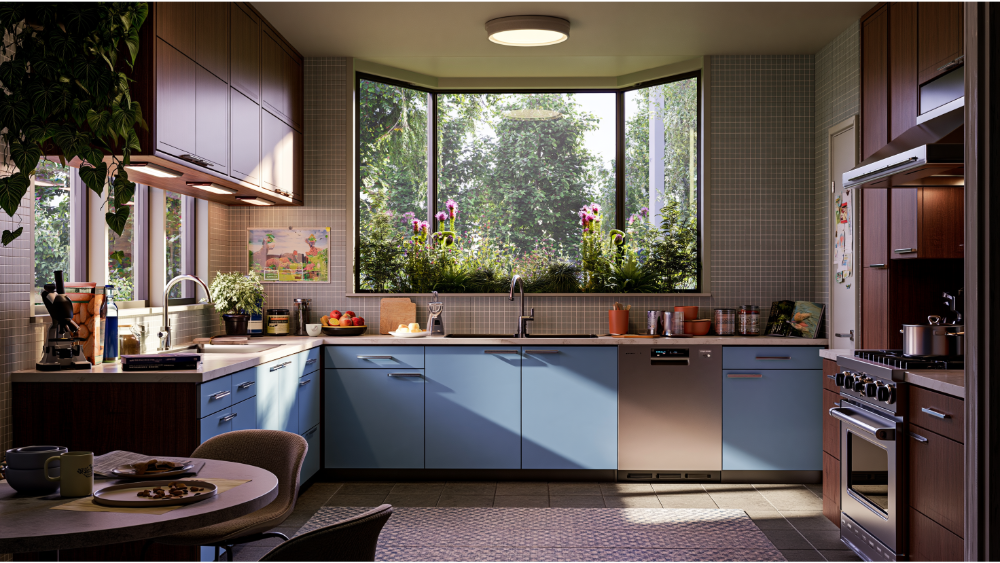
You’ll also see garden windows called greenhouse windows, and the nickname fits. A garden window works like a mini indoor greenhouse bolted to the side of your house: glass on the front, glass on both sides, glass overhead, and a solid shelf underneath. That greenhouse effect is the whole point.
One thing worth clearing up. Some sources call these three-sided or four-sided windows, which confuses the number of glass panels with the shape of the unit. The California Energy Commission definition counts five sides, not five glass panes. Garden windows are classified as fenestration products, the same category as traditional windows, glazed doors, and skylights. When California energy calculations measure area, they use the rough opening cut into your wall, not the total surface of all that projecting glass.
The Five Parts of a Garden Window
- Front picture pane: the largest piece of glass, facing straight out.
- Two glazed side panels: angled outward, frequently operable for airflow.
- Angled glass roof: brings in overhead light the way a small skylight would.
- Seat board or plant shelf: the built-in shelf where pots and décor sit.
- Frame: ties the whole unit into your exterior wall.
Frames come in vinyl, wood, fiberglass, and aluminum. Vinyl and fiberglass are the low maintenance options, wood needs periodic refinishing, and each frame material performs differently on insulation value and cost.
How Do Garden Windows Work?
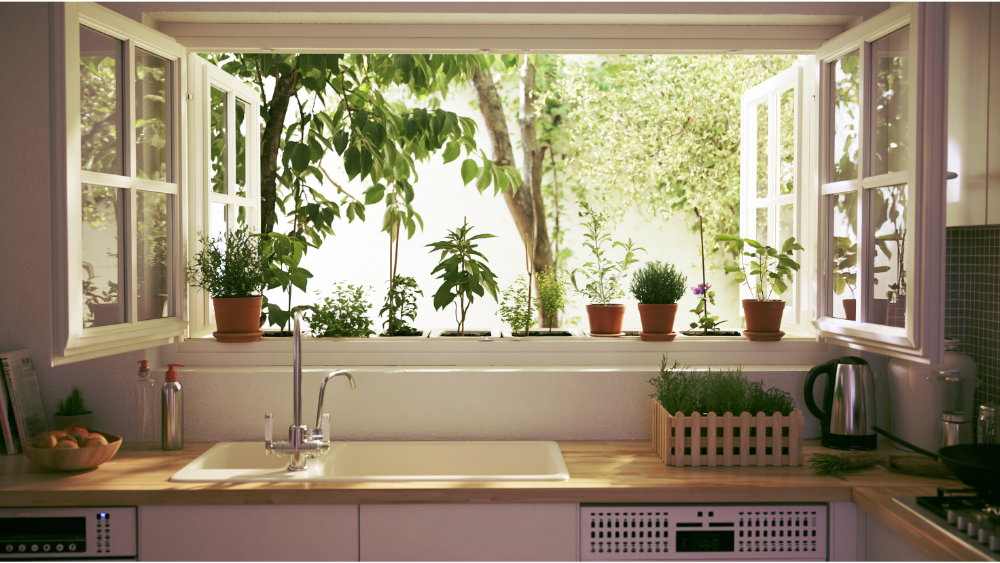
Because the box projects outward past the wall plane, a garden window gathers daylight from multiple angles instead of one flat direction. That’s why garden windows put extra natural light into a room compared with a standard window of the same opening size. The shelf also sits outside the room’s footprint, so you gain extra space for displaying plants without giving up counter or wall space.
Ventilation depends on the model. On most garden windows, the front pane and the angled glass roof are fixed while the side panels crank or slide open for fresh air. Many garden windows open. Not all of them do. Confirm the operating configuration before you order, especially if kitchen heat and cooking odors are part of why you want one.
Why Garden Windows Are a Kitchen Favorite for Light and Indoor Plants
Over the kitchen sink is far and away the most common spot for these windows, and there’s a reason it stuck. It’s where you spend time every single day.
- More light in the one place you stand for twenty minutes at a stretch.
- Shelf room for small plants, potted herbs, and decorative items that never touches your counter.
- A real view outside while you’re doing dishes.
- Optional side vents that pull cooking heat and odors out of the room.
- Architectural interest from the street, which is a genuine curb appeal gain.
- Added visual depth that makes small rooms feel less boxed in.
Other Rooms for Garden Windows: Display Space in Breakfast Nooks, Laundry Rooms, and Dining Areas
Kitchens aren’t the only fit. Laundry rooms, home offices, breakfast nooks, dining areas, bathrooms, and dim living room walls all gain from the same natural light and display space. Fill a breakfast nook garden window with indoor plants and you have a small indoor garden and a focal point in a corner that used to be an afterthought. The requirements are simple: an exterior wall, clearance outside, and a real use for the space, whether that’s growing plants or just extra light.
Garden Window Pros and Cons
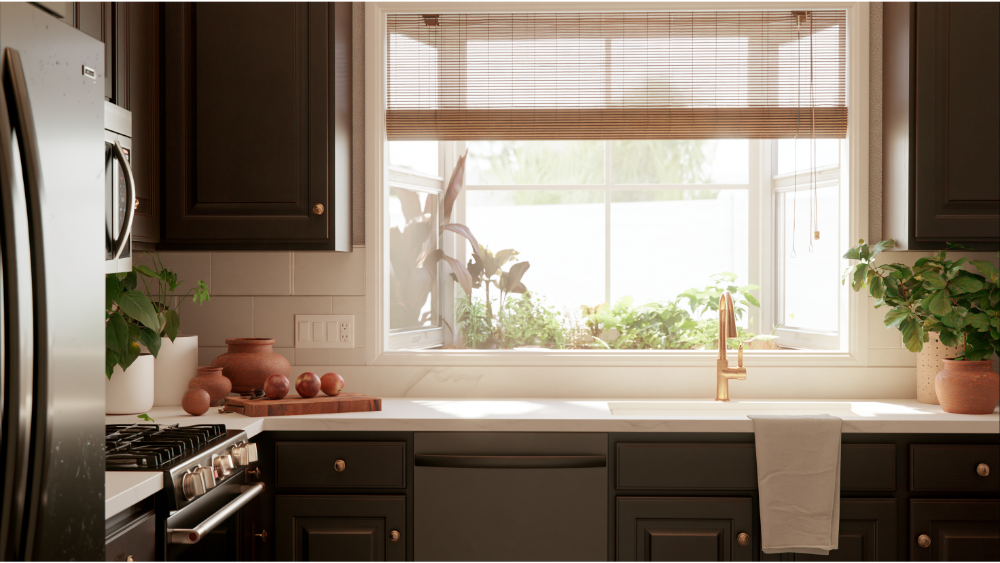
| Benefits | Tradeoffs |
|---|---|
| Daylight from multiple directions | More glass means more potential solar heat gain |
| Plant and display space off the counter | Condensation risk in a humid kitchen |
| Optional airflow through side vents | Glass and hardware can be hard to reach |
| Architectural interest and curb appeal | Needs clearance for the exterior projection |
| Overhead light a flat window can’t deliver | More complex installation than a flat window |
The projecting shape of garden windows creates more joints and more exposed surface on your home’s exterior than flat windows, which is exactly why flashing, drainage, structural support, and perimeter sealing have to be done right. Leaks and sagging fill a lot of online complaints, but with proper installation and simple upkeep, they aren’t baked into every garden window.
Garden Window vs. Bay Window (and Bow, Picture, and Casement)
A bay window is the comparison most homeowners reach for first, and the difference comes down to scale. A bay window usually spans a living room or dining area wall and often carries a seat. A standard garden window fits a single opening, typically the one over the sink.
| Garden | Bay | Bow | Picture | Casement / Awning | |
|---|---|---|---|---|---|
| Shape | Five-sided box | Three angled sections | Gentle curve, 4+ sections | Flat, single pane | Flat, hinged sash |
| Main purpose | Light plus shelf | Space and view | Panoramic view | Unobstructed view | Ventilation |
| Usual room | Kitchen | Living room | Living room | Any | Any |
| Shelf or seat | Plant shelf | Often seating | Often seating | No | No |
| Glass top | Yes | Rarely | Rarely | No | No |
| Ventilation | Side vents on many models | Side sashes | Some sashes | None | Full sash |
The short version: garden windows are the only ones here with a glass roof and a plant shelf, and they’re far smaller than a bay window or a bow.
Is a Garden Window Right for Your Kitchen? A Quick Checklist
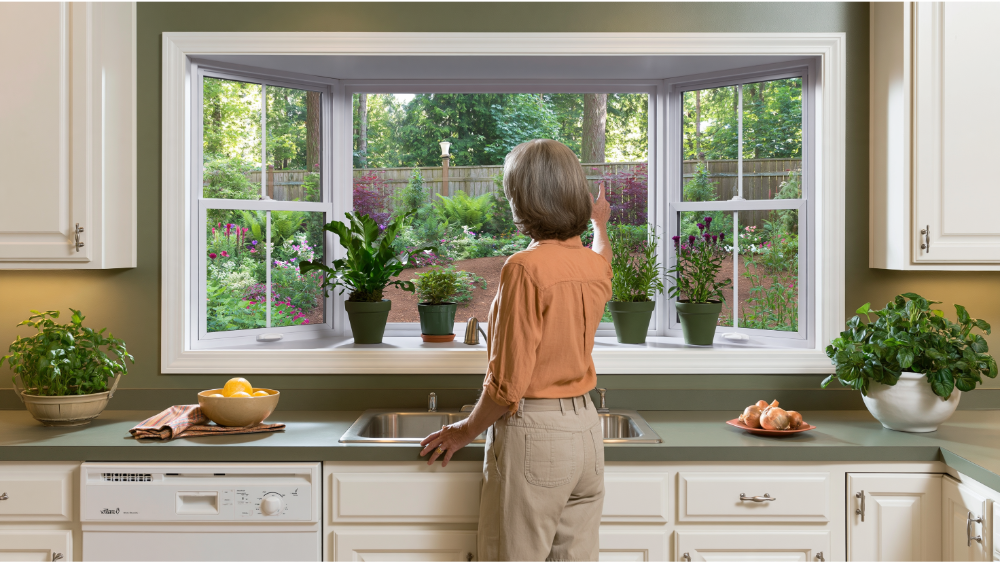
- Does that wall get usable daylight without cooking the room on a July afternoon?
- Does your home’s layout leave enough clearance outside for the bump out to project?
- Will it block a walkway, patio, gate, hose bib, or established landscaping?
- Can you comfortably reach the shelf, locks, and vents across the sink?
- Will the faucet, sprayer, or backsplash get in the way?
- Are you after indoor plants, décor, ventilation, or simply light? The answer changes the model you pick.
- Is privacy an issue on that side of the house, and does a projecting box suit your exterior style?
Counter depth and your own height matter more than people expect. A shelf you can’t reach across a 25-inch counter turns into a place where dust collects.
Are Garden Windows Energy Efficient?
They can be energy efficient. But the practical benefits show up on the label, and you can’t assume garden windows perform like flat windows with the same glass.
The National Fenestration Rating Council publishes independent ratings for U-factor, solar heat gain coefficient, visible transmittance, air leakage, and condensation resistance. The CEC’s compliance manual notes that garden windows often carry higher whole-unit U-factors than standard flat windows, simply because there’s more frame and more glass for the same rough opening. Energy Star’s current residential window specification is Version 7.0, effective October 23, 2023, with criteria that vary by climate. Energy Star reports that certified windows, doors, and skylights cut heating and cooling costs by up to 13% on average nationwide, a category-wide figure rather than a promise for one garden window in one kitchen.
What U-Factor and SHGC Mean on the Label
U-factor measures heat transfer through the window. Lower is better. SHGC measures how much of the sun’s heat gets through the glass, and in a cooling-driven climate lower is again what you want. Look for the whole-unit number on the NFRC label, not a center-of-glass figure.
Why Orientation Matters as Much as Glass
“South-facing is best” is incomplete advice for hot climates like our inland valleys. A south- or west-facing garden window in the Central Valley needs a stronger low-e solar control package than the same unit on a north wall, or excess heat turns the room into an oven by 4 p.m. The Department of Energy recommends lower SHGC and low-e coatings in cooling-driven climates for exactly this reason.
Condensation, Fogging, and Leaks: What’s Normal and What Isn’t
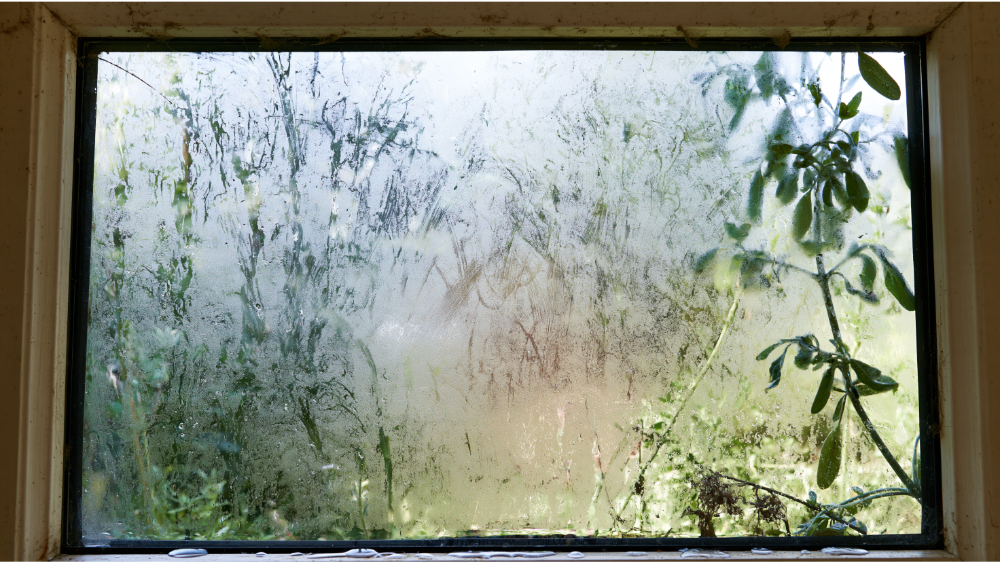
These are three separate problems, and most articles blur them together.
Interior condensation on the room side of the glass means humid indoor air is hitting a cool surface. The EPA recommends keeping indoor relative humidity below 60%, ideally between 30% and 50%. Kitchens add moisture constantly, so this one is usually about ventilation, not the window. Fogging between the panes is different: that almost always signals a failed insulated-glass seal, and it’s a warranty conversation. Water around the frame after rain points to flashing, drainage, or sealing, and it needs to be looked at rather than caulked over.
- Use pots with drainage trays and never let them sit in standing water.
- Wipe plant watering spills off the seat board instead of letting them soak in.
- Run the range hood while you cook, and keep weep holes and vent tracks clear.
- Call for an inspection if water keeps finding its way in.
What Northern California Homeowners Should Check Before Installation
- Which code applies. California’s 2025 Energy Code applies to permit applications submitted on or after January 1, 2026.
- Your climate zone. California has 16 building climate zones, and the CEC recommends verifying by street address since some ZIP codes cross boundaries. Sacramento is the representative city for Climate Zone 12.
- The numbers. Section 150.0(q) sets a mandatory maximum area-weighted fenestration U-factor of 0.40, with an exception exempting up to 30 square feet of dual-glazed garden or greenhouse window area from that U-factor maximum. That exception covers U-factor only, not every Title 24 requirement. The 2025 prescriptive values in Climate Zone 12 are 0.27 U-factor and 0.23 SHGC. For alterations replacing no more than 75 square feet of vertical fenestration, an exception allows 0.40 and 0.35 in CZ12.
- Permits. The City of Sacramento lists window replacement among projects requiring a building permit, and requirements vary by city and county.
- Lead-safe work. EPA’s Renovation, Repair and Painting Rule covers window replacement that disturbs paint in most pre-1978 homes.
- HOA approval. Condos and design-controlled communities often require sign-off before an exterior elevation changes.
Knowing Northern California building codes, energy standards, and climate demands is why we handle the compliance paperwork instead of handing you a stack of forms.
What Garden Window Installation Involves
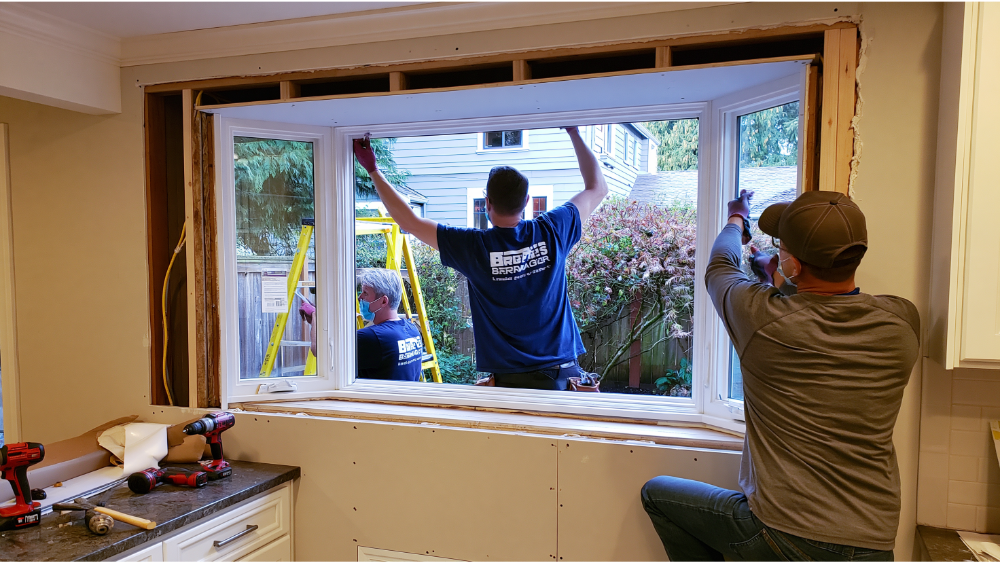
A garden window carries its own weight plus whatever sits on the shelf, adds exposed joints to your exterior, and has to tie cleanly into the wall’s weather barrier so extreme weather stays outside. Here’s what a garden windows project looks like at a homeowner level:
- Measure and inspect the existing opening.
- Check exterior clearance and the condition of the surrounding wall.
- Confirm product ratings and code compliance for your address.
- Determine whether added framing or structural support is needed.
- Remove the old window safely.
- Integrate flashing and the weather barrier around the new garden window.
- Seal, insulate, and finish inside and out.
- Test operation and drainage.
- Clean up and walk through the finished work together.
California requires a written home improvement contract for any project over $500, and the down payment generally can’t exceed $1,000 or 10% of the contract price, whichever is less, excluding finance charges. Crew time on site is short, and cleanup is part of the job, not an extra.
What to Look For in Garden Windows and an Installer
- NFRC-certified whole-unit ratings for the exact configuration you’re buying.
- A low-e glass package matched to your wall’s exposure, since energy efficiency lives in the details.
- Operable side panels positioned where you can actually reach them.
- A moisture-resistant, low maintenance seat board.
- A written scope with permit responsibility spelled out.
- A manufacturer warranty and a separate written labor warranty.
- Cleanup and post-installation support in writing.
We’re factory-direct for Anlin windows, which include garden windows among their available styles. Two warranties apply, and they’re separate: the Anlin Limited Double Lifetime Warranty is the manufacturer’s coverage for items like vinyl, insulated glass units, hardware, and accidental glass breakage under its actual terms, while our own 10-year labor warranty covers the installation. We also offer 0% APR financing, OAC, with terms reviewed during your free in-home consultation.
Frequently Asked Questions
What is a garden window in a kitchen?
It’s a compact window that extends outward from the exterior wall with a front pane, glazed sides, a glass top, and a deep shelf. Set above the kitchen sink, it pulls natural light in from several directions and gives indoor plants a sunny home without using counter space. It’s also the easiest spot in the house to grow herbs year-round.
What are the pros and cons of garden windows?
You get more daylight in the room, a shelf for plants and decorative items, optional side-vent airflow, and added curb appeal. The tradeoffs are greater solar heat gain, condensation risk, harder-to-reach glass, exterior clearance requirements, and a more involved installation than a flat window.
How much do kitchen garden windows cost?
There’s no honest fixed price. Cost depends on opening size, framing or added support, the glass package, frame material, finish work, permits, and removal of the old unit. Use our online window cost estimator for a ballpark, or request a free, no-obligation estimate for real numbers.
Are garden windows still in style?
Yes, though the reputation problem is real. A yellowed single-pane unit from decades ago reads dated. A properly sized modern one with clean frame lines and updated glass reads as a functional focal point. Proportion matters far more than the window type itself.
Let’s Get Your Project Started
If you’re picturing garden windows over your kitchen sink, we’ll come look at the opening, your light exposure, the clearance outside, product options, and what Title 24 requires at your address, then help you decide whether this is the right upgrade for your home. No commitment required. Get a free estimate, try the online window cost estimator, or call us at (916) 202-2282. We work with homeowners across the Greater Sacramento Area and Bay Area from our Sacramento office, and we keep the whole thing simple and stress-free.