Engineered Wood Siding
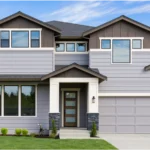
Engineered wood siding has become one of the most popular choices for homeowners who want the classic look of real wood without the constant upkeep. As construction trends evolve, this material continues to rise in demand because it offers beauty, strength, and long-term performance. Homeowners today want materials that look natural, provide excellent protection from the elements, and deliver lasting value. Engineered wood exterior siding accomplishes all of that with style, precision, and efficiency. At Elevate Construction Group, we have seen firsthand how engineered wood transforms homes and enhances curb appeal.
What Is Engineered Wood Siding
Engineered wood siding is a durable and cost effective alternative to traditional wood siding. It is made from wood strands or wood fibers combined with resins, waxes, and other bonding agents. The manufacturing process involves compressing these materials under high heat to form solid panels and lap boards that resist rot, termites, and fungal decay.
Brands such as LP SmartSide have perfected this system by using zinc borate to protect the material from moisture and insect damage. The result is a low maintenance material that maintains the timeless aesthetic appeal of natural wood. Each board is manufactured with realistic textures and grains, giving homes the appearance of freshly painted cedar siding without the high maintenance needs of untreated wood.
Engineered wood siding products come in many different styles and profiles to complement various architectural styles. Whether homeowners prefer lap siding, vertical panels, or decorative trim accents, these products can be customized to match the look of almost any dream home. The smooth surface finish and prefinished colors available from manufacturers make this siding easy to install and maintain.
Why Engineered Wood Is Gaining Popularity in 2025

The year 2025 continues to show steady growth in the use of engineered wood siding across the construction industry. Many homeowners are choosing this material because it combines modern design, sustainable manufacturing, and proven durability. It meets today’s demand for eco friendly choices that require less energy to produce and create less waste than other materials such as fiber cement siding.
As an exterior siding option, engineered wood offers the warmth of natural wood without the high costs associated with frequent painting and repair. Its lightweight composition allows builders to complete projects faster and with greater efficiency. The reduced weight compared to fiber cement or natural wood makes handling safer and easier for crews on site. With proper installation, this siding can last for decades, making it a reliable and cost effective investment for any homeowner.
Key Benefits of Engineered Wood Siding
Real Wood Look Without the Upkeep
Engineered wood captures the beauty of real wood grain through advanced texturing and precision molding. It offers the same warmth and charm as traditional wood but requires far less maintenance. Prefinished options come already painted and sealed, which eliminates the need for immediate painting after installation. Homeowners can choose from a wide range of colors and textures to achieve a custom look that complements their home’s exterior style.
Strength and Impact Resistance
Durability is one of the biggest advantages of engineered wood siding. It stands up to hail, wind, and debris far better than untreated wood or vinyl siding. Some manufacturers offer warranties that include hail coverage, proving the strength of the product. This siding resists cracking, splitting, and swelling, even when exposed to heavy moisture or temperature changes. Its dense structure provides excellent protection in regions prone to storms and high humidity.
Lightweight and Faster Installation
Engineered wood siding is significantly lighter than fiber cement, which simplifies installation and reduces labor costs. Crews can install longer panels with fewer seams, resulting in a smooth surface and a clean, finished look. Because it is easy to cut and nail, it produces less dust and waste compared to materials that contain portland cement. For homeowners, this means faster project completion and a more seamless appearance.
Long-Term Value and ROI
In 2025, engineered wood siding remains one of the best investments for exterior remodeling. The average return on investment is around seventy percent, and its long lifespan ensures excellent value. The installed cost typically ranges from nine dollars and fifty cents to twelve dollars and fifty cents per square foot, making it more affordable than fiber cement siding and longer lasting than vinyl. Its strength, appearance, and low maintenance make it a smart choice for anyone upgrading their exterior.
Sustainability and Eco Performance
Engineered wood is recognized as an eco friendly choice due to its renewable components and responsible sourcing. It uses fast-growing wood fibers that can be replenished quickly, reducing environmental impact. Manufacturers such as LP have achieved carbon negative certification for some of their engineered wood siding products. The panels are designed to require less energy in production compared to fiber cement, which relies on portland cement and sand. Homeowners appreciate that this material offers sustainability without compromising performance or style.
Comparing Engineered Wood to Other Siding Materials

Engineered Wood vs Fiber Cement
Both engineered wood and fiber cement are durable and long lasting, but they differ in composition and installation. Fiber cement is made from a mix of portland cement, sand, and cellulose fibers, which makes it heavier and harder to work with. It is fire resistant and performs well in many climates but can crack or chip if not handled properly. Engineered wood provides the same strength with a lighter weight, making it easier to install. It also offers superior impact resistance and greater flexibility during expansion and contraction cycles.
Engineered Wood vs Vinyl
Vinyl siding remains an affordable option, but it lacks the natural depth and texture of engineered wood. Vinyl can become brittle in extreme cold and may warp under intense sunlight. Engineered wood provides a richer appearance, better insulation properties, and longer lifespan. Its durability and low maintenance requirements make it a better long-term investment.
Engineered Wood vs Traditional Wood
Traditional wood siding has undeniable charm but is highly susceptible to moisture, rot, and insect damage. It requires regular painting or staining and constant inspection to prevent deterioration. Engineered wood solves these issues through its moisture resistant manufacturing process. It does not warp, crack, or rot the way untreated wood often does. It also resists fungal decay and maintains its smooth surface finish over time.
Proper Installation Matters

The installation process plays a crucial role in the performance of engineered wood siding. Improper nailing, missing flashings, or lack of clearance can cause common issues such as moisture infiltration and swelling. At Elevate Construction Group, our crews follow every manufacturer guideline to ensure structural integrity and warranty compliance. We maintain a small gap above horizontal surfaces and ensure all trim corners and panels are properly sealed. Using corrosion resistant fasteners and detailed flashing around doors, windows, and rooflines helps prevent water penetration. When installed correctly, engineered wood siding maintains its durability and aesthetic appeal for decades.
Cost Guide for 2025
Pricing for engineered wood siding in 2025 varies by region, design complexity, and the type of finish selected. On average, homeowners can expect total costs between nine dollars and fifty cents and twelve dollars and fifty cents per square foot installed. While it costs slightly more than vinyl, it offers greater durability and less maintenance over time. The energy efficiency and longevity of engineered wood make it a cost effective option when compared to the frequent repainting and repairs required by traditional wood.
Maintenance Tips
Maintaining engineered wood siding is simple. Inspect the exterior once a year for any cracks, small gaps, or exposed edges that might allow moisture inside. Wash the surface with mild soap and water to remove dirt or dust buildup. Keep shrubs, sprinklers, and mulch away from the siding to prevent prolonged contact with moisture. Prefinished products typically last fifteen years or more before repainting, while primed versions may need paint every eight to ten years depending on exposure. These simple maintenance steps keep your home looking fresh and protect your investment.
Sustainability and Energy Efficiency
Choosing engineered wood siding supports sustainable building practices. The renewable wood fibers used in production store carbon naturally, reducing the environmental footprint of your home. Many engineered wood siding products are designed to integrate with foam insulation systems, improving thermal performance and helping your home use less energy for heating and cooling. Because the siding forms tight seams, it contributes to excellent insulation and minimizes air leaks around the exterior walls. The result is a more comfortable and energy efficient home.
When to Replace or Upgrade Your Siding
If your existing siding shows signs of rot, cracking, or peeling paint, it might be time for an upgrade. Homeowners often notice faded color, warped boards, or visible moisture stains as early warning signs. Engineered wood provides a durable solution that restores both beauty and protection to your home’s exterior. It instantly enhances curb appeal and complements modern and traditional architectural styles alike.
Choosing the Right Contractor

Selecting the right contractor ensures the success of any siding project. Look for experienced builders who understand the specific requirements of engineered wood installation. They should be familiar with flashing techniques, nail placement, and manufacturer warranty terms. Elevate Construction Group provides complete installation services backed by detailed craftsmanship and transparency. We inspect every surface, protect all exposed edges, and verify alignment before the project is complete. Our team delivers consistent quality that lasts through every season.
The Long-Term Value of Engineered Wood
Engineered wood siding represents a perfect balance between natural beauty and advanced technology. Its blend of strength, lightweight design, and resilience gives homeowners confidence that their investment will last. It performs exceptionally well against moisture and temperature changes, providing superior protection in all climates. The combination of cost effectiveness, sustainability, and long-term durability makes it a clear choice for anyone planning to renovate their exterior.
FAQs About Engineered Wood Siding
How long does engineered wood siding last?
When properly installed and maintained, engineered wood siding can last thirty years or more. Many manufacturers offer warranties of up to fifty years covering fungal decay, termites, and manufacturing defects.
Can engineered wood handle extreme weather?
Yes. It is specifically engineered to resist impact, wind, and moisture. Some products include hail damage coverage in their warranties.
Is engineered wood more sustainable than fiber cement?
Yes. Engineered wood uses renewable fibers and consumes less energy in production than fiber cement, which relies on portland cement and sand.
Does it require regular maintenance?
Minimal maintenance is needed. Cleaning with soap and water to remove dirt once a year and repainting as needed will keep it looking new.
Can it be installed over existing siding?
In most cases, the old material should be removed to ensure proper fastening and ventilation. A professional contractor will inspect your home before installation.
Final Thoughts
Engineered wood siding delivers the timeless character of traditional wood with the innovation of modern engineering. It’s strong, versatile, and built to handle whatever nature delivers. Whether you prefer the charm of lap siding, the bold lines of vertical panels, or the detailed look of matching trim, engineered wood offers endless design flexibility. It maintains structural integrity, resists rot and termites, and provides lasting color with minimal maintenance. For homeowners who value durability, aesthetic appeal, and sustainability, engineered wood is the ultimate solution. Upgrade your home exterior with engineered wood siding and experience the beauty of real wood with the strength of modern materials.