Transferable Home Improvement Warranties Explained
A home improvement project is a major investment, which is why understanding warranty protection matters before signing any warranty contract. Whether you are replacing siding, upgrading roofing products, installing windows, or improving exterior systems, the right warranty coverage can protect homeowners from unexpected repairs and replacement costs later.
Many homeowners focus only on product quality and pricing during the selling or remodeling process. However, not all warranties offer the same level of coverage, and not all warranties are transferable. A transferable warranty can provide peace of mind to both the current owner and a new owner after a home sale.
This comprehensive guide on transferable home improvement warranties explains the transfer process, warranty terms, manufacturer warranties, workmanship warranties, and the fine print before moving forward with a project.
What Is a Transferable Home Improvement Warranty?

A transferable warranty is a type of warranty that may move from the original purchaser to a new homeowner after selling a house. Instead of the warranty ending when the property changes hands, the warranty transfer allows the next owner to continue receiving coverage under certain conditions.
Most home warranties are designed to protect products, systems, or installation work for a specific period after the installation date. Some standard warranties end immediately after a home sale, while others allow a warranty transfer if the owner follows the proper transfer rules.
A transferable warranty can apply to roofing products, roofing materials, windows, siding, doors, HVAC systems, kitchen appliances, major appliances, water heater systems, and exterior remodeling systems.
For many homeowners, a transferable warranty makes sense because it adds real value during a real estate transaction. Future buyers often appreciate knowing that warranty coverage still exists after selling.
The Difference Between Manufacturer Warranties and Workmanship Warranties
Understanding the difference between manufacturer warranties and workmanship warranties is one of the most important parts of choosing the right warranty provider.
Manufacturer Warranties
Manufacturer warranties cover defects in roofing materials, windows, siding, or other approved materials used during the project. These warranties are issued directly by the warranty company or manufacturer.
For example, Owens Corning manufacturer warranties may provide coverage for roofing products if defects appear after proper installation. Owens Corning offers several roof warranty options designed to help homeowners protect long-term performance and reduce future repairs.
Some manufacturer warranties include limited warranty protection, extended manufacturer warranties, standard coverage, replacement costs, and repairs related to manufacturing defects.
Many manufacturer warranties require strict guidelines to remain active. Homeowners must follow the manufacturer’s instructions carefully to maintain a valid warranty.
Workmanship Warranties
Workmanship warranties protect homeowners from installation-related repairs caused by contractor mistakes.
Even high-quality roofing products can fail if they are not installed correctly. Proper installation is critical for long-term performance and warranty coverage.
Workmanship warranties may help cover installation defects, water intrusion, flashing issues, improper sealing, and installation-related repairs.
Some workmanship warranties are transferable, while others are considered non-transferable.
Why Both Types Matter
The strongest warranty protection includes both manufacturer warranties and workmanship warranties. Together, they help reduce repair or replacement costs when problems occur.
Homeowners should always review warranty documents carefully before agreeing to a warranty contract. The fine print inside warranty documents often explains important transfer rules, coverage limitations, and transfer fee requirements.
Are Roofing Warranties Transferable?

One of the most common questions homeowners ask is whether roofing warranties are transferable.
The answer is yes, many roof warranty programs are transferable, but the transfer process varies depending on the warranty provider and roofing products used.
Owens Corning offers several roof warranty options that may include transferable warranty coverage under certain conditions. Some Owens Corning warranty programs allow one warranty transfer to a new owner if the transfer request is submitted within the required timeframe.
Most warranties include transfer rules and fine print that homeowners should understand before selling.
Common Roof Warranty Transfer Requirements
Many roof warranty programs require proof of purchase, required documentation, installation date records, transfer request forms, a small fee or transfer fee, and accurate records of the project.
Some warranty providers require homeowners to complete the transfer process within 30 to 60 days after the home sale.
Missing deadlines may void the warranty coverage completely.
Why Transferable Warranties Matter When Selling a House
Selling a house becomes easier when transferable warranty coverage exists for major home improvements.
Potential buyers often ask questions about roofing products, HVAC systems, kitchen appliances, and home warranty coverage before closing.
A transferable warranty provides peace of mind because buyers know certain repairs and replacement costs may still be covered after the real estate transaction closes.
Buyers Appreciate Added Protection
Future buyers often feel more confident purchasing a home with transferable warranty coverage.
This buyer’s peace of mind can become one of the significant advantages during the selling process.
A real estate agent may also use warranty documents during marketing because transferable coverage may improve home value and buyer confidence.
Transferable Coverage Helps During Real Estate Transactions
During a real estate transaction, warranty documents help create a smooth transition between the current owner and the new owner.
A real estate agent may request warranty documents, proof of purchase, installation date records, and other necessary documentation before finalizing the home sale.
Having accurate records available helps support the transfer process.
Some warranty providers also require a transfer fee before approving a warranty transfer for subsequent owners.
What Does a Home Warranty Usually Cover?

A home warranty is different from standard homeowners insurance.
Most home warranties focus on repairs and coverage for systems and appliances that fail because of normal use.
Commonly covered items include HVAC systems, water heater systems, kitchen appliances, major appliances, electrical systems, and plumbing systems.
A home warranty company may offer extended warranties for additional cost depending on the level of coverage selected.
Some home warranty programs include limited warranty protection, while others offer extended manufacturer warranties with broader coverage.
Homeowners should always review the fine print because warranty terms vary significantly between providers.
Most home warranties also contain certain conditions regarding repairs, maintenance, and transfer rules.
What Is Usually Not Covered Under Warranty Protection?
While warranty coverage can provide peace of mind, most warranties contain exclusions.
The fine print often excludes normal wear, pre-existing damage, improper maintenance, unauthorized repairs, storm damage, cosmetic issues, improper modifications, and damage caused by other contractors.
A warranty provider may also deny claims if the owner failed to follow the manufacturer’s guidelines or failed to use approved materials during repairs.
This is why warranty documents and terms matter so much.
A home warranty company may also deny claims if repairs are completed without authorization from the warranty provider.
Common Reasons a Warranty Becomes Void
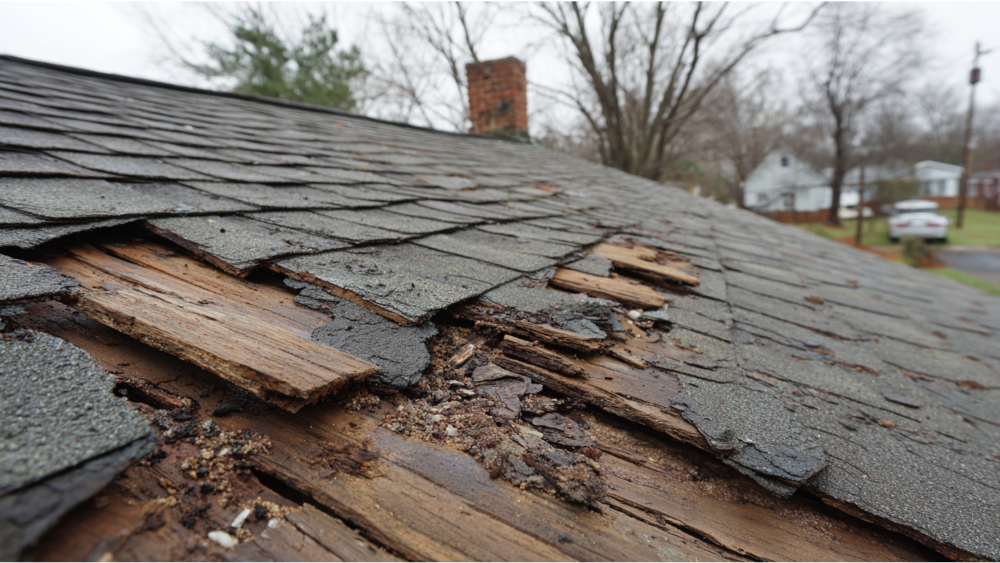
Many homeowners assume warranty coverage lasts forever. In reality, certain conditions can void even a valid warranty.
Failure to Follow the Transfer Process
The transfer process usually requires a transfer request, proof of purchase, required documentation, transfer fee payment, and accurate records.
Failure to follow transfer rules may void the warranty transfer completely.
Improper Installation
Many manufacturer warranties require proper installation by licensed contractors.
If building permits were not obtained or installation did not follow strict guidelines, the warranty company may deny repairs.
Unauthorized Repairs
Using incorrect roofing materials or non-approved materials during repairs may void warranty protection.
Missed Deadlines
Some warranty providers require transfer forms shortly after the home sale closes.
Missing those deadlines may result in non-transferable coverage.
Homeowners can sometimes verify contractor licensing and building permits through a local county website before beginning a project.
Questions Homeowners Should Ask Before Signing a Warranty Contract
Before agreeing to any warranty contract, homeowners should ask the warranty provider detailed questions about warranty terms and coverage.
Is the Warranty Transferable?
Not all warranties include warranty transfer options.
Ask whether the transferable warranty applies to future buyers or subsequent owners.
Is There a Transfer Fee?
Some warranty providers charge a small fee during the transfer process.
Understanding the transfer fee ahead of time helps avoid surprises during selling.
What Is Included in the Coverage?
Ask whether warranty coverage includes repairs, roofing materials, labor, replacement costs, manufacturer defects, and workmanship warranties.
Are There Extended Warranties Available?
Some warranty providers offer extended warranties for additional cost.
Extended warranties may provide broader coverage and longer protection periods.
What Documentation Is Required?
Ask what documentation and warranty documents are necessary for a smooth transition during a home sale.
How Roofing Products and Owens Corning Warranties Work

Roof warranty protection is especially important because roofing systems face constant weather exposure.
Owens Corning is one of the most recognized warranty provider brands in the roofing industry. Owens Corning manufacturer warranties may include transferable warranty options depending on the selected roofing products and installation requirements.
Certain Owens Corning roof warranty programs include limited warranty protection, extended manufacturer warranties, standard warranties, transferable warranty coverage, repairs for manufacturing defects, and coverage for approved materials.
To maintain a valid warranty, homeowners must follow strict guidelines and manufacturer’s instructions carefully.
Some Owens Corning warranty programs also require certified contractors and accurate records of installation.
Why Homeowners Should Keep Warranty Documents Organized
Warranty documents become extremely important during selling and future repairs.
Homeowners should store proof of purchase, warranty documents, transfer request forms, building permits, installation date records, and contractor agreements in a secure location.
Keeping accurate records helps simplify the transfer process and protects homeowners during a real estate transaction.
A real estate agent may also request warranty documents while selling a house.
The Difference Between a Home Warranty and Manufacturer Coverage

Many homeowners confuse a home warranty with manufacturer warranties.
A home warranty usually covers systems and appliances inside the home, while manufacturer warranties focus on specific products such as roofing materials, windows, or siding.
Most home warranties cover HVAC systems, water heater systems, kitchen appliances, major appliances, electrical systems, plumbing systems, and some repairs associated with normal use.
Manufacturer warranties usually focus on roofing products, windows, siding, exterior materials, and product defects.
Both types of coverage can provide peace of mind, especially for a new homeowner.
A warranty company may also offer additional coverage options for systems not included under standard coverage.
Why Transferable Warranties Add Real Value
A transferable warranty can create real value for homeowners during selling because future buyers often prefer homes with continued warranty coverage.
A transferable warranty may improve home value, reduce concerns about repairs, help buyers feel more comfortable, support a smooth transition, and provide peace of mind to a new owner.
During a real estate transaction, transferable warranty coverage can help potential buyers feel more secure about the condition of roofing products and other major systems.
For homeowners planning on selling a house in the future, transferable warranty protection can become an important marketing advantage.
Frequently Asked Questions About Transferable Home Improvement Warranties
Can all home improvement warranties be transferred to a new homeowner?
Not all home improvement warranties are transferable. It depends on the specific terms set by the manufacturer or warranty provider. Always review the warranty contract to confirm if transferability is allowed and under what conditions.
Is there usually a fee to transfer a warranty when selling a house?
Many warranty providers charge a transfer fee, which typically ranges from $25 to $50. This fee covers administrative costs associated with updating the warranty records to the new homeowner.
How soon after selling a home must the warranty transfer be completed?
Most warranty programs require the transfer process to be initiated within a specific window, often between 30 to 60 days after closing. Missing this deadline may result in the warranty becoming non-transferable.
What documentation is needed to transfer a home improvement warranty?
Commonly required documents include the original warranty certificate, proof of purchase or installation, the home sale agreement, and sometimes receipts for any related services or repairs.
Do workmanship warranties transfer as easily as manufacturer warranties?
Workmanship warranties are often less likely to be transferable compared to manufacturer warranties. Many workmanship warranties are limited to the original homeowner and may have stricter transfer restrictions.
How does a transferable warranty impact home resale value?
Homes with transferable warranties often sell faster and can command higher prices because buyers feel more confident knowing they have protection against unexpected repair costs. Transferable warranties can also be a strong selling point during negotiations.
Final Thoughts on Transferable Home Improvement Warranties
Understanding transferable home improvement warranties helps homeowners make informed decisions before starting any remodeling project.
Warranty coverage matters because repairs, replacement costs, and future issues can become expensive without proper protection.
Before signing a warranty contract, homeowners should carefully review warranty terms, fine print, transfer rules, coverage limitations, transfer fee requirements, required documentation, manufacturer warranties, workmanship warranties, extended warranties, and transfer process details.
Not all warranties provide the same level of coverage, and not all warranties remain active after a home sale.
Whether you are replacing roofing materials, upgrading siding, or preparing for selling a house, understanding the warranty transfer process helps protect your investment and creates peace of mind for both the current owner and the new homeowner.
Choosing an experienced contractor, following the manufacturer’s guidelines, keeping accurate records, and maintaining all warranty documents can help ensure long-term performance and continued warranty protection for years to come.