How Long Do Exterior Doors Typically Last?
Your exterior door, often the main entry door to your home, plays a major role in protecting your home, improving energy efficiency, and maintaining curb appeal. So, how long do exterior doors typically last? Most exterior doors last between 20 and 30 years, but the real lifespan depends on many factors including materials, installation, and ongoing regular maintenance. Many homeowners focus only on age, but condition is what truly matters. A door that looks fine on the surface may already be leaking air or allowing moisture to pass through, which can lead to soft spots or other damage. Understanding lifespan helps you avoid costly repairs and make smart decisions for your home’s exterior. While this guide focuses on doors, many of the same principles apply to siding inspections and overall exterior maintenance.
Average Lifespan of Exterior Doors by Material
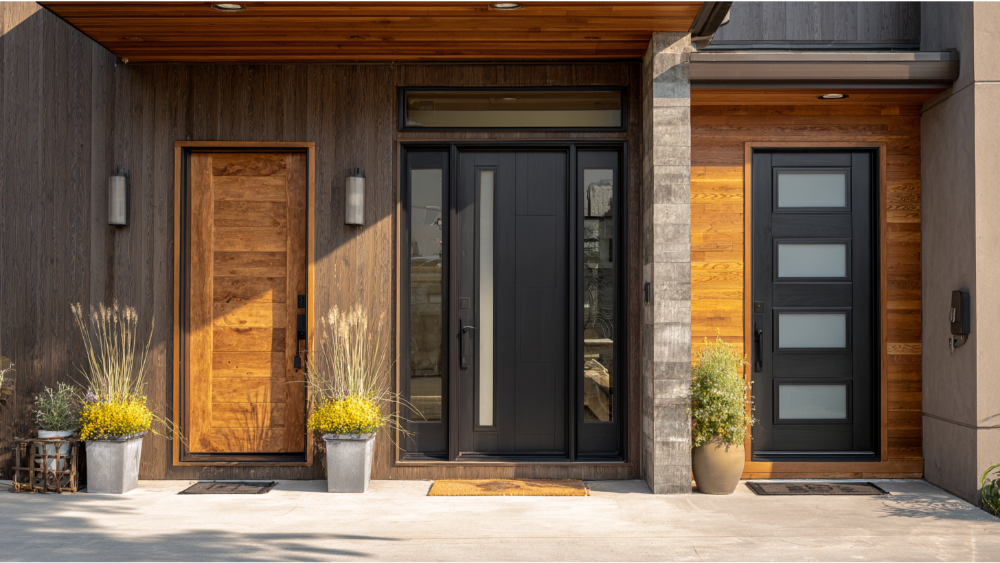
Different exterior materials perform differently over time. Choosing the right option helps protect your home and reduce long-term repairs.
Fiberglass Exterior Doors
Fiberglass doors, often with an insulated core, are known for long-term durability. Many last 30 years or more with minimal maintenance. Fiber cement siding often gets attention for durability, but fiberglass doors offer similar resistance to weather exposure. Fiber cement products are engineered to handle moisture and temperature swings, and fiberglass performs in a similar way. Unlike solid wood, fiberglass does not absorb moisture easily, which helps prevent moisture damage and mold growth. Homeowners committed to low upkeep often choose fiberglass because it handles environmental factors like heat, cold, and heavy rain without breaking down.
Steel Exterior Doors
Steel doors typically last 20 to 30 years. They are strong and provide excellent security. However, once the surface coating is compromised due to sun exposure or scratches, moisture can reach the metal and cause rust. This can lead to cracks and eventual failure. Proper maintenance helps protect steel doors, but they still require attention over time to avoid security risk or failing sooner than expected.
Wood Exterior Doors
Solid wood doors offer a natural look that many homeowners prefer. However, wood requires consistent maintenance such as refinishing paint or sealants. Wood siding and wood doors share similar vulnerabilities. Moisture intrusion can lead to rot, mold, soft spots, and structural damage. With proper care and protection from uv exposure and seasonal changes, wood doors can last up to 30 years or even decades longer. Without it, they may need entry door replacement much sooner. Regular inspections are critical when wood is part of your home’s exterior materials.
Glass and Specialty Doors
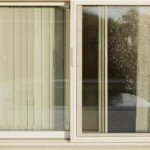
Glass doors, including sliding doors and French doors, usually last 15 to 30 years. The glass panes themselves often hold up well, but seals, frames, and hardware wear down first. Moisture problems can develop around seals, especially near glass panes exposed to the elements. These areas should be part of routine inspections to avoid fog or leaks.
What Affects the Lifespan of an Exterior Door?
Several factors influence how long your exterior door will last. Many homeowners overlook these details until problems appear.
Climate and Weather Exposure
Environmental factors like heavy rain, humidity, sun exposure, uv exposure, and seasonal changes all impact durability. Doors that are constantly exposed to the elements tend to break down faster. Weather damage can lead to cracks, discoloration, peeling paint, and moisture damage.
Installation Quality
A door that is not properly installed can fail early. Poor alignment or gaps allow moisture intrusion and leaking air. This can impact the structure beneath the door and surrounding walls, including flooring. Professional contractors ensure the door is installed correctly to protect your property.
Maintenance and Upkeep
Maintenance is key to extending lifespan. Homeowners committed to regular maintenance help their doors last longer. Regular inspections help identify minor issues before they turn into costly repairs. Cleaning, sealing, repainting surfaces, and replacing weatherstripping all help protect exterior materials from damage.
Material Quality
Not all materials perform equally. Higher-quality materials last longer and resist damage better. Whether it is fiberglass, steel with insulated core, solid wood, vinyl siding, aluminum siding, or stucco, investing in better materials can save money in the long run.
Daily Use
Front doors experience more wear than side or back doors. Frequent use affects hinges, seals, and hardware. Over time, this can lead to cracks, leaks, and the need to replace components.
Signs Your Exterior Door Needs to Be Replaced
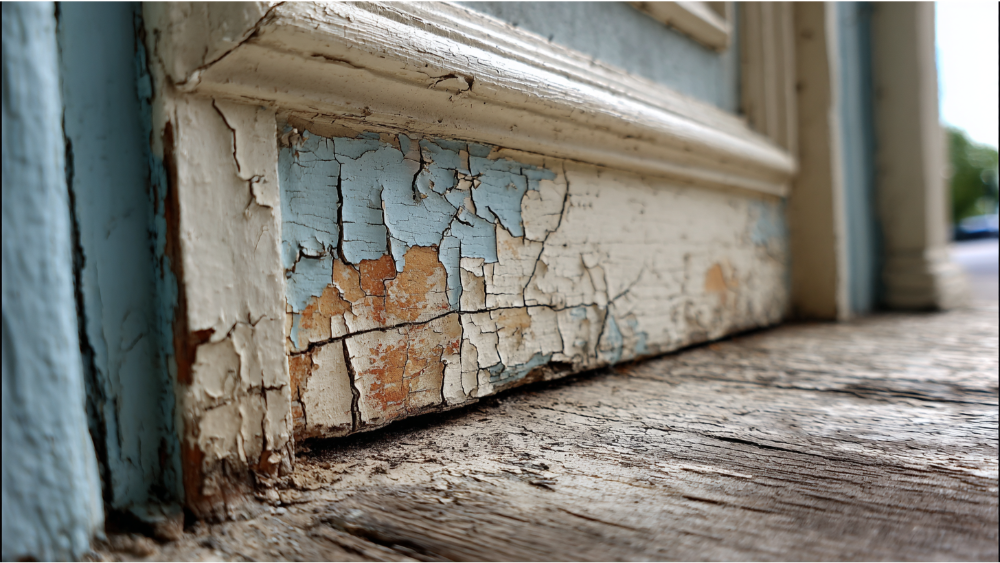
Your door does not need to reach a certain age to fail. Recognizing early signs helps prevent bigger issues.
Drafts or Leaking Air
If you feel air coming through your door, it is no longer sealing properly. This can increase energy costs and reduce comfort.
Difficulty Opening or Closing
Doors that stick or do not close properly may have alignment issues or hidden moisture damage.
Visible Damage
Look for cracks, holes, dents, warping, or soft spots. These signs indicate the door is no longer performing as it should. Small cracks can quickly expand if left untreated.
Water Damage or Rot
Water damage is a serious concern. It can spread to nearby walls, the foundation, and even the roof if left unchecked. Rot is especially common in wood doors and must be addressed quickly.
Rising Energy Bills
Poor insulation allows air to escape, forcing your system to work harder.
Outdated Appearance
An aging door can reduce curb appeal and impact the overall look of your house. Notice faded paint or damaged finishes as signs it may be time for entry door replacement.
Repair vs Replacement, What Makes More Sense?
Knowing whether to repair or replace your door can save time and money.
When a Repair Is Enough
Minor issues like worn seals, small cracks, or surface damage can often be repaired. These fixes help extend the life of your door without a full replacement.
When Replacement Is the Better Investment
If your door has structural damage, ongoing leaks, or repeated repairs, replacement is usually the smarter option. Preventing costly repairs starts with recognizing when a door has reached its limit.
Cost Over Time
Repairs may seem cheaper upfront, but repeated fixes can add up. Investing in a new door often reduces long-term cost and improves performance.
How to Extend the Life of Your Exterior Door
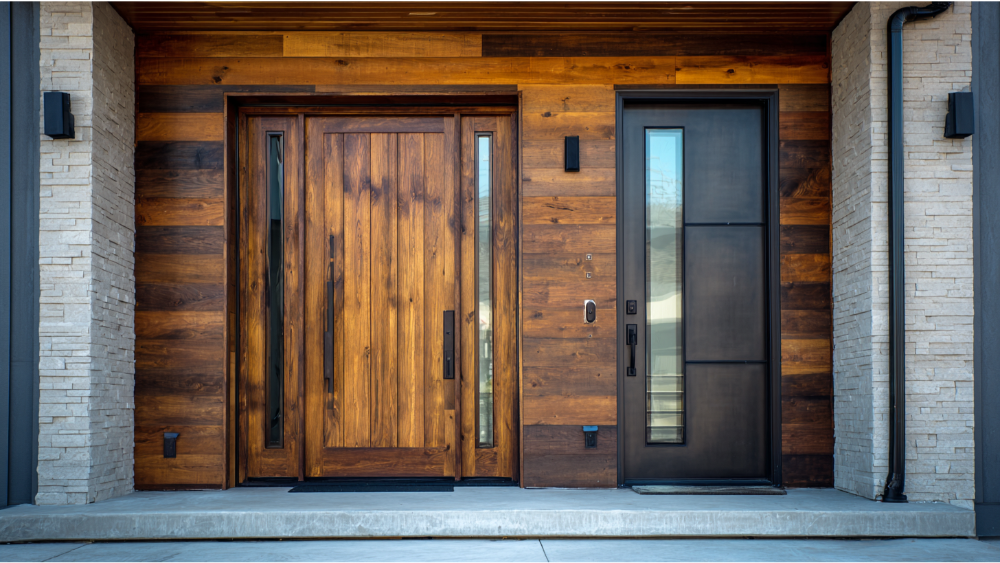
Proper maintenance can help your door last longer and perform better.
Routine Maintenance Checklist
Clean surfaces regularly and check for cracks or discoloration. Inspect seals and hardware. Repaint or reseal when needed.
Weatherproofing Tips
Seal gaps around doors and windows. Replace worn weatherstripping. Ensure gutters and drainage systems direct water away from your home. Drainage issues are a leading cause of moisture damage and should be addressed quickly.
Protect Against Moisture and Sun
Moisture is one of the biggest threats to exterior materials. Without protection, it can trap moisture inside and lead to mold growth and rot.
Annual Inspections
Schedule routine inspections each year. Walk around your home and inspect all exposed areas, including several walls, doors, and windows. This helps catch problems early. A proper visual inspection can reveal early signs of damage.
Are New Exterior Doors Worth It?
Replacing your door provides several benefits beyond appearance.
Energy Efficiency
Modern doors are built to reduce air leaks and improve insulation. This helps lower energy bills.
Increased Home Value
A new door improves curb appeal and makes your property more attractive to buyers.
Enhanced Security
New doors come with stronger materials and better locking systems, reducing security risk.
Modern Design Options
Homeowners can choose from a variety of styles, colors, and finishes to match their home.
Choosing the Right Exterior Door for Your Home
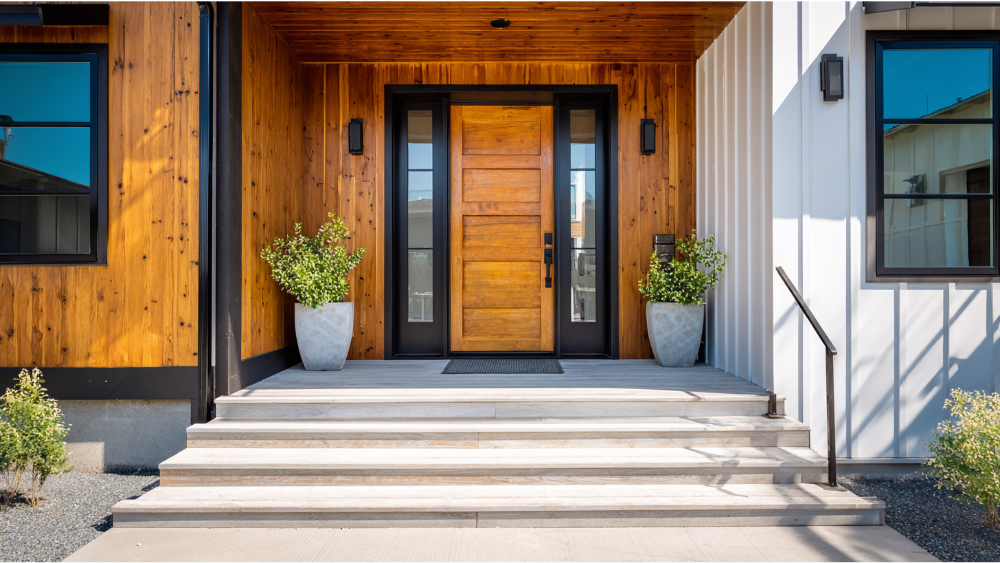
Selecting the right door depends on your needs and environment.
Best Material for Your Climate
Fiberglass works well in most climates. Steel provides strength with an insulated core. Solid wood offers a traditional look but requires more maintenance.
Balancing Budget and Longevity
Consider both upfront cost and long-term performance. Durable materials often save money over time.
Style Considerations
Your door should complement your house and improve curb appeal.
Professional Installation Matters
Experienced contractors ensure proper installation, which helps protect your home and extend the life of your door.
How Often Should You Replace Your Exterior Door?
Most homes will need a new exterior door every 20 to 30 years. However, inspection frequency matters more than age alone. This is similar to the question many homeowners ask, how often should exterior siding be inspected. Regular siding inspections and door inspections help determine when replacement is needed. Many homeowners wait too long, which can lead to costly repairs and moisture problems. A professional evaluation helps determine the right time to replace your door.
Why Homeowners Trust Elevate Construction Group for Exterior Door Replacement
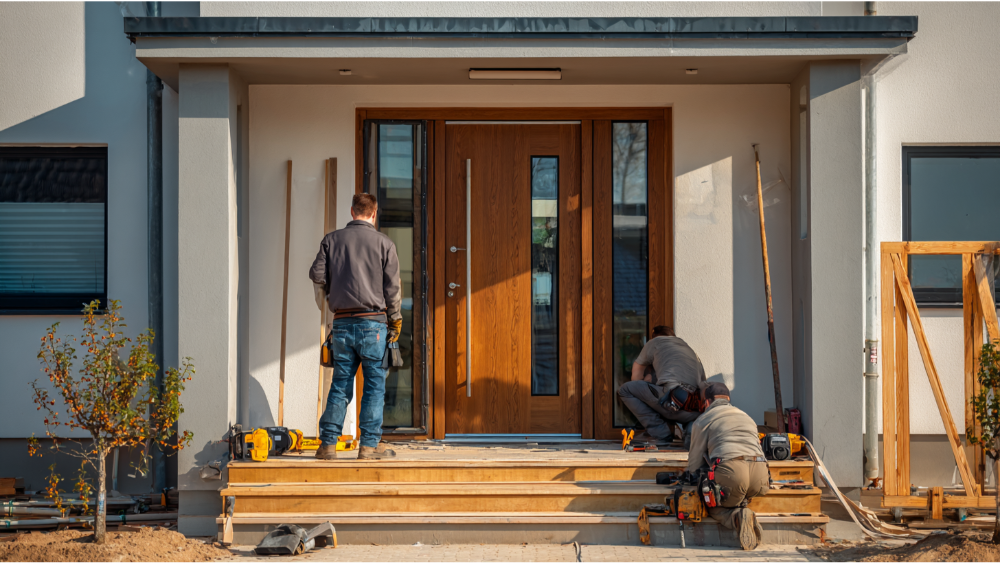
At Elevate Construction Group, we focus on quality and long-term results. Our team understands how exterior materials perform and how to protect your home from the elements. We guide homeowners through every step, from inspection to installation. Whether you need repairs or a full entry door replacement, we deliver solutions that last.
FAQs About Exterior Door Lifespan
How long should a front door last?
Most front doors last between 20 and 30 years, depending on materials and maintenance.
What type of exterior door lasts the longest?
Fiberglass doors typically last the longest because they resist moisture and weather damage.
How do I know if my door needs replacing?
Look for cracks, leaks, drafts, soft spots, and visible damage. These are common signs that replacement may be needed.
Do exterior doors increase home value?
Yes, a new door improves curb appeal and can increase property value.
How much does it cost to replace an exterior door?
The cost varies based on materials and installation, but it is a worthwhile investment.
Can a new door lower my energy bills?
Yes, modern doors reduce air leaks and improve insulation.
What is the most low-maintenance exterior door material?
Fiberglass is considered one of the lowest-maintenance options available.
Final Thoughts
Exterior doors are built to last, but they require attention. Most will perform well for 20 to 30 years, but regular inspections and maintenance make a big difference. Do not wait for major damage to appear. Small cracks, moisture issues, and minor signs can quickly turn into larger problems. Protect your home, improve efficiency, and avoid costly repairs by staying proactive. If your door is showing signs of wear, schedule your consultation with Elevate Construction Group and get your free estimate today.