A Homeowner’s Guide

Your siding does more than improve curb appeal, it plays a critical role in protecting your home’s exterior from weather, moisture, and long-term structural damage. Many homeowners ask the same question, how often should exterior siding be inspected? The answer is simple. Most homes should follow a schedule of siding inspections twice per year, once in the spring and once in the fall, along with additional inspections after heavy rain or severe storms. This inspection frequency helps catch minor issues early and prevents costly repairs over time. When you stay consistent with inspections, you protect your house, your property, and the structure beneath the siding. This approach supports preventing costly repairs and keeps your exterior materials performing at a high level.
How Often Should You Inspect Exterior Siding?
The ideal inspection frequency is twice per year. Regular inspections in the spring help identify weather damage caused by winter conditions, while fall inspections prepare your home for colder temperatures. Many homeowners also benefit from scheduling additional inspections after heavy rain, strong winds, or hail. These environmental factors can impact exterior materials quickly. If you want a minimum standard, annual inspections are acceptable, but regular siding inspections twice a year provide better protection and long-term performance. Routine inspections help detect cracks, moisture problems, and areas where siding has become exposed to the elements. For most homes, this schedule creates a reliable maintenance rhythm.
Why Regular Siding Inspections Matter
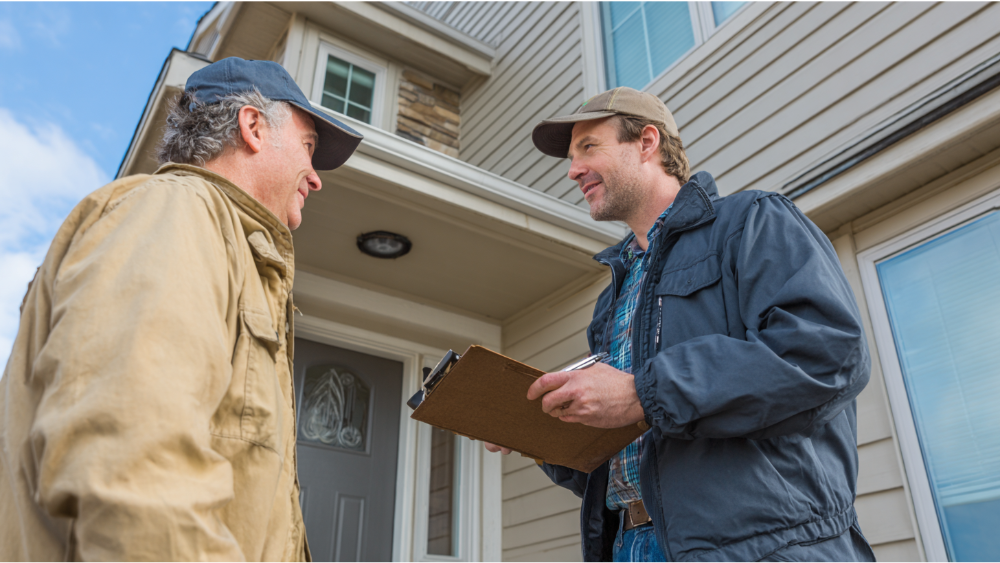
Regular siding inspections are one of the most effective ways to protect your home and avoid costly repairs. Your siding acts as a barrier between your home and the outside elements. When damage occurs, moisture intrusion can begin and lead to water damage inside the walls. Over time, this can affect insulation, framing, and even the foundation. Regular inspections allow homeowners to identify signs of damage early, including small cracks, discoloration, and mold growth. Preventing costly repairs starts with consistent maintenance and attention to detail. A proactive approach helps extend the life of your siding and keeps your home’s exterior in strong condition.
What Happens If You Don’t Inspect Your Siding?
Skipping siding inspections can lead to serious problems in the long run. Moisture can trap moisture behind siding panels, especially in areas near windows and doors. This creates moisture problems that often go unnoticed. It often leads to mold growth, rot, and hidden water damage inside the walls. Many homeowners do not notice these issues until they become expensive repairs. Mold and mildew can spread across several walls and impact the structure of your home. Over time, small cracks turn into larger openings, allowing more water to enter. Without inspections, these minor issues grow into major repairs that require more time, money, and full siding replacement.
Key Times You Should Always Inspect Your Siding
Spring Inspection
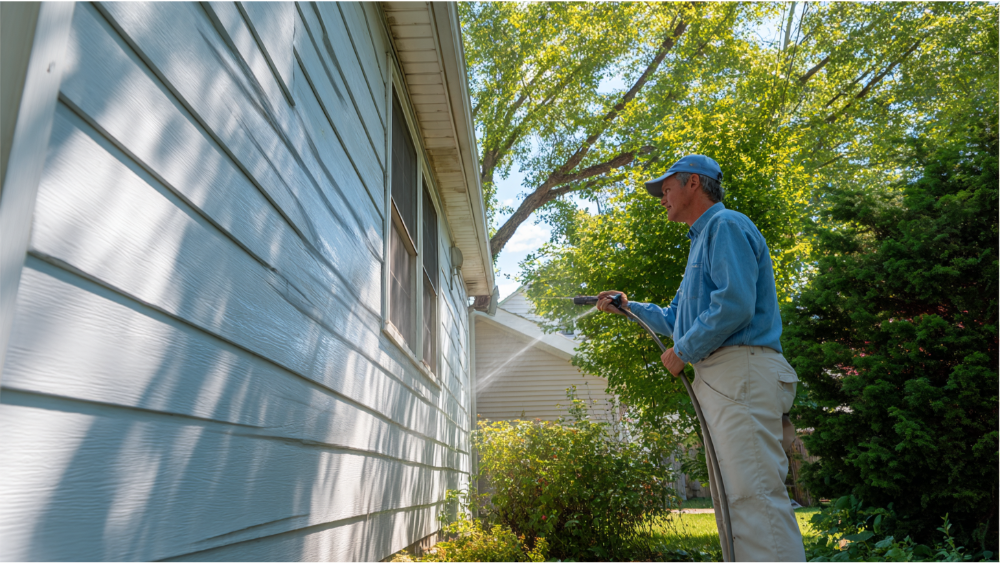
Spring is one of the most important times to inspect your siding. Winter weather can cause cracks, warping, and loose panels. Freeze and thaw cycles affect exterior materials, especially wood siding, stucco, and fiber cement siding. A spring inspection helps homeowners identify damage early and plan repairs before heavy rain seasons begin.
Fall Inspection
Fall inspections help prepare your home for colder months. This is the time to check for cracks, holes, and failing caulking. Inspect areas around windows, doors, roof lines, and gutters. Addressing these issues helps prevent moisture intrusion and protects your home during winter.
After Storms
Storms bring strong winds, debris, and heavy rain that can damage siding quickly. Always inspect your home after severe weather events. Look for exposed areas, cracks, and signs of water damage. These inspections help determine if immediate repairs are needed.
Before Selling Your Home
Before listing your house, a thorough inspection is essential. Buyers often request home inspections, and siding condition plays a major role in property value. Addressing visible damage improves curb appeal and helps avoid delays during the sale process.
Signs Your Siding Needs Immediate Attention
There are several signs that your siding requires immediate attention. Cracks, holes, and warping panels are clear indicators of damage. Discoloration and fading paint can signal weather damage or aging materials. Mold and mildew growth often point to moisture problems behind the siding. If you notice rising energy costs, your siding may no longer be insulating properly. Loose or missing panels leave your home exposed to the elements. These signs should never be ignored because they often lead to water damage, rot, and structural issues if left untreated.
How to Inspect Your Siding (Step-by-Step for Homeowners)
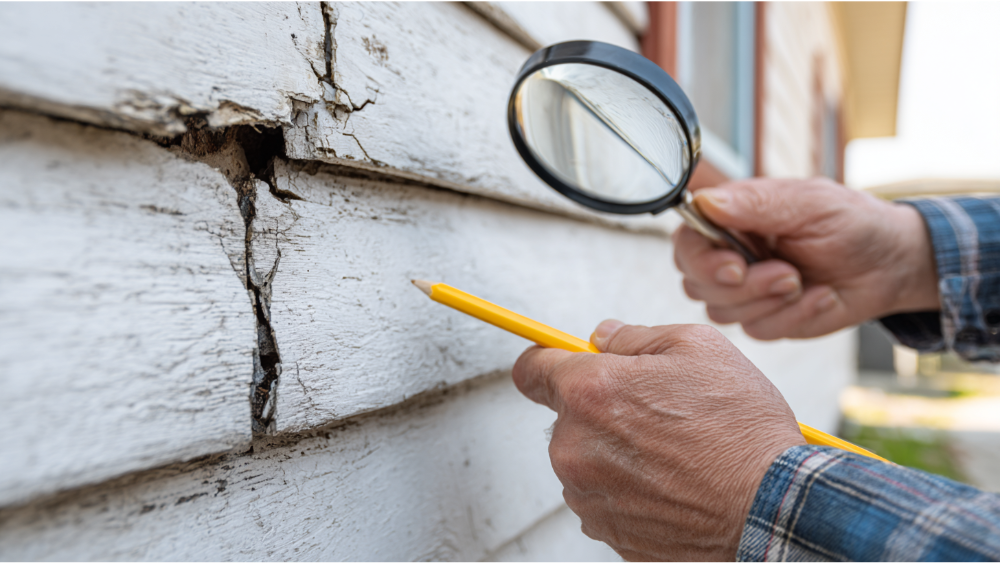
1 | Start with a walk around your house and perform a full visual inspection from the ground, looking for cracks, holes, or uneven siding panels across several walls.
2 | Check problem areas near windows, doors, corners, and trim where moisture intrusion is more likely to occur.
3 | Look closely for moisture damage, including discoloration, mold, mildew, or soft spots that indicate water damage.
4 | Inspect caulking and seams to make sure exterior materials are sealed properly and not exposed to moisture.
5 | Determine if damage requires a professional evaluation, especially if you notice widespread cracks, leaks, or drainage issues.
Professional Siding Inspections vs DIY Checks
What Homeowners Can Catch
Homeowners can identify visible cracks, discoloration, and surface-level damage during routine inspections. These checks are helpful for spotting early signs before they become larger problems.
What Professionals Look For
Professional siding inspections go beyond the surface. Contractors inspect for hidden moisture problems, structural concerns, and issues with the structure beneath the siding. They evaluate drainage issues, check how siding was installed, and identify areas where materials may fail over time.
Why Professional Inspections Save Money
A professional evaluation provides a deeper evaluation of your home’s exterior. Catching issues early helps prevent costly repairs and reduces the need to replace large sections of siding. This saves money in the long run and protects your property.
How Different Types of Siding Affect Inspection Frequency
Vinyl Siding
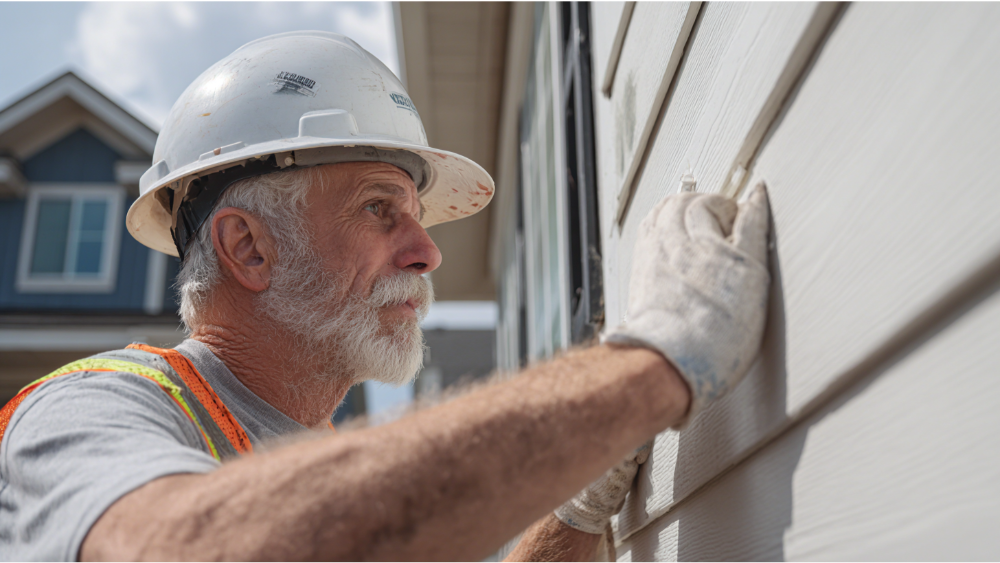
Vinyl siding is a popular option because it is durable and low maintenance. However, vinyl siding still requires regular inspections. It can crack, loosen, or become exposed after storms. Unlike wood, vinyl siding does not absorb moisture easily, but damage can still allow water behind panels and lead to moisture problems.
Fiber Cement Siding
Fiber cement siding is known for strength and durability. Fiber cement resists many environmental factors, but homeowners should still inspect it for cracks and sealant failure. Fiber cement siding performs well, but consistent maintenance ensures long-term protection.
Wood Siding
Wood siding requires more attention than most materials. Wood is vulnerable to moisture, rot, and mold growth. Small cracks in wood siding can expand quickly, leading to water damage. Regular inspections and maintenance are essential for protecting wood surfaces and preventing long-term issues.
Aluminum Siding
Aluminum siding is resistant to rust and holds up well against the elements. However, it can dent and become exposed over time. Inspections help determine if repairs or replacement are necessary.
Stucco Siding
Stucco is one of the most durable exterior materials, but it requires careful monitoring. Stucco can develop cracks that allow moisture to enter. Moisture trapped behind stucco can lead to mold growth, rot, and structural issues. Regular inspections of stucco surfaces help prevent deeper damage and protect the structure.
How Climate Impacts Siding Inspection Needs
Climate and environmental factors play a major role in how often you should inspect your siding. Homes exposed to heavy rain, humidity, and seasonal temperature swings require more frequent inspections. Weather damage can occur quickly, especially when exterior materials are exposed to harsh conditions. Regular inspections help homeowners stay ahead of potential problems and protect their home’s structure.
How Much Does a Siding Inspection Cost?

The cost of siding inspections is relatively low compared to major repairs or full replacement. Many contractors include inspections as part of a consultation. When compared to the cost of repairing water damage, rot, or structural issues, inspections are a smart investment. Early detection helps homeowners avoid larger expenses and protect their home.
When to Repair vs Replace Your Siding
Not all siding damage requires full replacement. Minor issues like small cracks or isolated damage can often be handled with repairs. However, widespread damage, aging materials, and repeated issues may mean it is time to replace sections or all of your siding. A professional evaluation helps determine the right solution based on the condition of your home’s exterior. Knowing when to replace siding protects your home and avoids ongoing repair costs.
How to Extend the Life of Your Siding
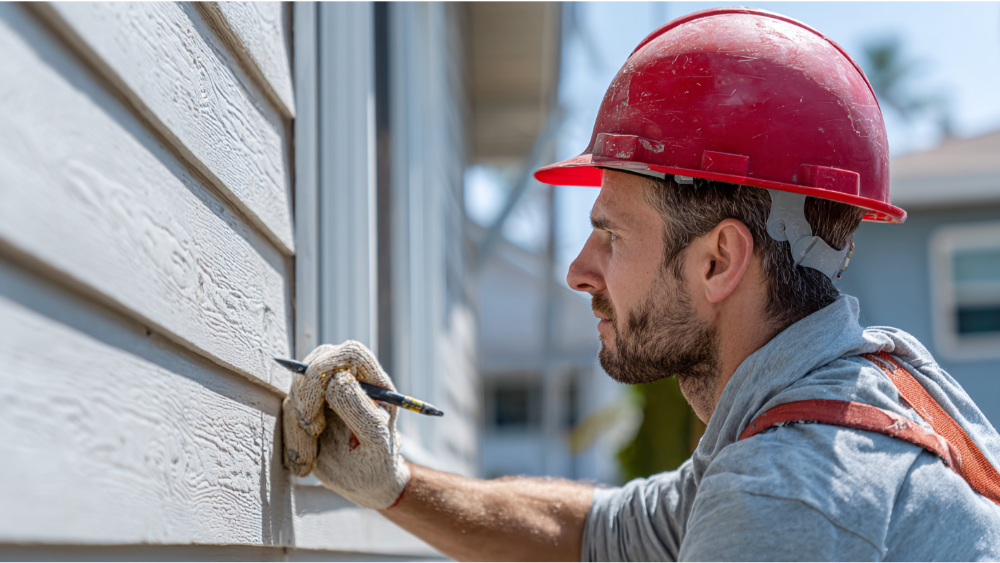
Proper maintenance is key to extending the life of your siding. Clean your siding regularly to remove dirt and buildup. Address minor issues quickly before they become larger repairs. Keep gutters clear to prevent drainage issues and water buildup near your foundation. Inspect areas around windows and doors to maintain proper sealing. Regular siding inspections, combined with routine maintenance, help protect your home and ensure your exterior materials perform well over time.
FAQs About Siding Inspections
How often should siding be inspected on a house?
Siding inspections should be completed twice per year and after major storms.
Can I inspect my siding myself?
Yes, homeowners can inspect siding themselves, but professional inspections provide a deeper evaluation and more accurate results.
What is the lifespan of exterior siding?
The lifespan depends on materials. Vinyl siding, fiber cement siding, wood siding, aluminum siding, and stucco all have different durability levels and maintenance needs.
Does homeowners insurance cover siding damage?
Insurance may cover weather damage, but not normal wear or lack of maintenance.
How do I know if siding damage is serious?
Serious signs include moisture intrusion, mold growth, cracks, rot, and structural damage behind the walls.
Should siding be inspected before winter?
Yes, fall inspections are essential for protecting your home from winter conditions.
Final Thoughts: Stay Ahead of Siding Damage
Siding inspections are one of the simplest ways to protect your home and avoid costly repairs. With regular inspections, homeowners can catch small cracks, moisture issues, and weather damage early. Whether your siding is vinyl siding, wood siding, fiber cement siding, aluminum siding, or stucco, staying proactive is the key to long-term performance. If you want expert guidance, schedule a professional evaluation with experienced contractors. Get your free estimate today and protect your home’s exterior for the long run.