How to Install Hardie Board Siding
Hardie board siding is one of the most durable, beautiful, and weather-resistant exterior siding options available today. At Elevate Construction Group, we’ve installed thousands of homes across North Texas, and in this guide, we’ll explain exactly how to install Hardie board siding correctly. Whether you’re a homeowner researching the process or considering hiring professionals, this guide will help you understand every step that goes into a flawless installation.
Why Hardie Board Siding Is a Smart Choice for Your Home
Hardie board, officially known as fiber cement siding manufactured by James Hardie, is built for strength, beauty, and longevity. Made from cement, sand, and cellulose fibers, this material is engineered to withstand heat, moisture, and pests. It’s also one of the most fire-resistant siding products available, an advantage for Texas homeowners.
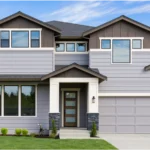
Beyond durability, Hardie board siding offers a timeless wood-like appearance without the upkeep. Whether you prefer horizontal Hardie Plank, vertical board-and-batten, or shingle-style boards, your exterior walls will look high-end and stay protected for decades. It’s an excellent choice for homeowners who want the look of wood without the rot, repainting, and maintenance.
At Elevate Construction Group, we install Hardie siding exactly according to James Hardie’s installation instructions. That means your home gets a long-lasting, warrantied installation that enhances both curb appeal and value.
Tools and Materials You’ll Need for Installation

Essential Tools
Before you install Hardie board siding, gather the right tools. You’ll need:
- A circular saw with a diamond blade or fiber-cement-rated blade
- A dust collection system or vacuum attachment to reduce silica dust
- A story pole for consistent reveal measurements
- Siding gauges, chalk line or laser level, and a reliable hammer or siding nail gun
- Corrosion-resistant nails and screws
Having the right setup ensures accuracy, safety, and professional-quality results.
Safety Equipment
Cutting fiber cement siding creates fine dust, so you’ll need a dust mask or respirator along with safety glasses, gloves, and hearing protection. At Elevate, we use professional-grade saws with integrated dust collection systems to protect our crews and clients’ homes from silica exposure.
Materials Checklist
To install Hardie board siding properly, you’ll need:
- Hardie Plank or other Hardie board siding profiles
- Starter strips and flashing
- Corrosion-resistant nails or screws
- Plywood or OSB sheathing
- House wrap or WRB (water-resistive barrier)
- Trim boards, corner boards, and metal Z-flashings
- Exterior-grade caulk and sealant
- Touch-up paint or Hardie ColorPlus accessories
If your project includes continuous insulation, follow Hardie’s latest 2025 guidelines for fastening over non-nailable substrates.
Preparing Your Home for Hardie Board Siding

Step 1 – Inspect and Prep the Wall Surface
Start by removing old siding, trim, and any nails or debris. Pull off any remaining vinyl or tile siding carefully to avoid damaging the sheathing underneath. Inspect the sheathing for water damage, rot, or loose areas. Replace or repair any compromised material before proceeding. The wall surface should be flat and solid to prevent gaps and misalignment.
Step 2 – Install House Wrap or WRB
Once the wall is prepped, apply house wrap to prevent moisture from entering behind the siding. Overlap seams per manufacturer guidelines, tape all penetrations, and integrate flashing around windows, doors, and corners. Proper moisture management is key to avoiding costly repairs later.
Step 3 – Install Flashing and Starter Strips
Install starter strips at the base of each wall to set your first course of siding. Maintain at least six inches of clearance above grade and one to two inches above decks or concrete surfaces. Add Z-flashings at horizontal joints and above trim boards to protect your exterior walls from water intrusion.
Step-by-Step: How to Install Hardie Board Siding Like a Pro

Step 4 – Cutting Hardie Boards Safely
Set up a designated cut station outside or in a well-ventilated area. Use a circular saw with a diamond blade connected to a dust collection system to reduce silica exposure. For small cuts, use the score-and-snap method. Always wear a dust mask when cutting fiber cement siding.
Step 5 – Installing the First Course
Align the starter strip carefully and install the first row of Hardie Plank siding. This first course establishes the baseline for the entire job. Keep it level and ensure each board overhangs the starter strip slightly to shed water correctly.
Step 6 – Installing Additional Courses
Overlap each subsequent board siding piece by at least 1¼ inches. Stagger vertical joints between boards to create a natural look and reduce the risk of leaks. Use 6-inch-wide flashing behind each butt joint to prevent moisture penetration. Avoid caulking these joints unless the manufacturer’s installation instructions specifically require it.
Step 7 – Fastening the Boards
Drive corrosion-resistant nails into wall studs or through approved sheathing using the spacing outlined in the Hardie installation guide. Place nails about 1 inch from the top edge of each board and drive them flush with the surface, never overdriven. This ensures secure attachment and prevents edges from cracking.
Step 8 – Finishing and Sealing
After installing all boards, seal field-cut edges with primer or sealant to protect against moisture. For primed Hardie boards, apply exterior paint within 180 days. ColorPlus finishes are factory-applied and don’t require painting. Finish with trim at all corners, windows, and doors, then inspect for any gaps, caulking, or missing flashing details.
Common Mistakes to Avoid When Installing Hardie Board

Installing Hardie board siding requires attention to detail. Avoid these common errors:
- Skipping the house wrap or failing to integrate flashing correctly
- Overdriving nails or leaving them underdriven
- Caulking butt joints instead of using flashing
- Forgetting to seal cut edges
- Installing siding too close to the ground or roofline
- Ignoring installation instructions for wind and weather exposure
At Elevate Construction Group, every crew member follows James Hardie’s most recent installation guidelines, ensuring every wall is water-managed, securely fastened, and ready for inspection.
Pro Tips from Elevate Construction Group
After years of installing Hardie board siding across countless homes, we’ve learned what matters most:
- Always use the correct tools for fiber cement siding, including a circular saw, diamond blade, and dust collection system
- Inspect every board before installing to avoid damage that breaks easily
- Use a story pole to ensure even exposure from top to bottom
- Check each wall for straightness before starting the next course
- Follow Hardie’s continuous insulation guidelines for energy-efficient assemblies
- Plan your installation carefully, including how to pull and position boards to maintain consistent reveals
Small details make a big difference. Consistency and precision ensure that every job we deliver meets our quality standards and protects your investment.
When to Call the Professionals
While it’s possible to install Hardie board siding on your own, professional installation ensures long-term performance and warranty protection. Installing Hardie siding requires precision cutting, safe dust management, and proper fastening. Professionals like Elevate Construction Group have the training, safety equipment, and experience to handle every part of the installation process, from cutting to caulking, the right way.
When done properly, Hardie board siding can last 30 years or more. If you want guaranteed results and peace of mind, trust an experienced team to do the job right the first time.
Maintenance Tips for Hardie Board Siding
Maintaining your Hardie board siding is simple. Rinse it with a garden hose every 6–12 months to remove dust and debris. Avoid pressure washing at close range, as high force can damage painted surfaces or edges.
Once a year, inspect seams, nails, caulk, and flashing. Replace or repair any damaged trim or boards. With regular maintenance, your Hardie Plank installation will continue to protect your house and maintain its beautiful finish for decades.
Frequently Asked Questions About Installing Hardie Board Siding
Is Hardie Board Siding Hard to Install?
Installing Hardie board siding isn’t complicated, but it requires precision, patience, and proper tools. The weight of the boards and the need for exact fastener placement make it challenging for beginners.
Can I Install Hardie Board Siding Over Old Siding?
No. Always remove old siding before starting. This ensures a flat surface, allows you to inspect the sheathing, and ensures that house wrap and flashing are properly integrated.
What Is the Best Way to Cut Hardie Board?
Use a circular saw with a diamond blade and a dust collection system, or use electric shears. Always wear a dust mask and cut outdoors or in a ventilated cut station.
Do You Need to Paint Hardie Board Siding?
Factory-finished ColorPlus products don’t need paint. If your boards are primed, paint them within 180 days using high-quality exterior paint to protect from moisture and UV exposure.
How Long Does It Take to Install Hardie Board Siding?
A professional crew can complete most houses in about 3–7 days depending on design complexity, wall area, and trim details.
What Does It Cost to Install Hardie Board Siding?
The cost of installation depends on your home’s size, design, and location. Professional installation provides better long-term value by ensuring proper fit, sealing, and warranty coverage.
Final Thoughts
Learning how to install Hardie board siding helps homeowners appreciate the craftsmanship behind every panel. From wall prep and house wrap to proper flashing, fastening, and finishing, each step matters. When installed by professionals, Hardie board siding delivers beauty, durability, and decades of protection.
At Elevate Construction Group, we follow James Hardie’s exact installation instructions, use the right tools like circular saws, diamond blades, and dust collection systems, and apply expert techniques that create strong, weather-tight results. Every board, edge, and trim piece is installed with precision to meet the highest standards of quality.
Hardie board siding is built to last, but installation makes all the difference. If you’re ready to upgrade your exterior siding, let Elevate Construction Group handle your project with the care, craftsmanship, and professionalism your home deserves. Schedule your free consultation today and experience why homeowners across North Texas trust us to protect and transform their homes.