How Long It Lasts and What Homeowners Should Know
Engineered wood siding durability is one of the most common questions homeowners ask when researching new siding for their home’s exterior. Many homeowners want the look of wood without the constant upkeep associated with traditional wood siding. Modern engineered wood siding provides a solution by combining wood fibers, structural resins, and protective treatments into a durable composite siding product designed for exterior siding applications.
Engineered wood siding has become a go-to choice for many homeowners because it offers the look of wood with enhanced durability and less maintenance than untreated wood or traditional wood. The material is manufactured to resist moisture, insects, and harsh weather conditions that can damage natural wood siding over time.
While engineered wood siding offers strong performance compared with many other siding materials, its durability still depends on proper installation, routine maintenance, and good moisture management around the home. Understanding how engineered wood siding is made and how it performs compared with other siding types can help homeowners make informed decisions when planning new siding for their house.
What Is Engineered Wood Siding?
Engineered wood siding is a composite siding product made from wood fibers that are bonded together with resins and protective additives. These materials form a composite material that is designed to mimic the natural look of real wood while improving durability and stability. The goal of engineered wood siding is to create a siding material that looks like natural wood siding but performs better in outdoor environments.
This type of engineered siding is sometimes referred to as composite wood siding because it blends wood fibers with synthetic binders. The result is a composite siding board that retains the texture and appearance of real wood while providing improved moisture resistance and dimensional stability. Many homeowners choose engineered wood siding because it combines the natural look of wood with the benefits of modern manufacturing technology.
How Engineered Wood Siding Is Manufactured
The manufacturing process for engineered wood siding begins with wood fibers or strands that are derived from natural wood sources. These wood fibers are combined with waxes, resins, and preservatives in a proprietary blend that improves moisture resistance and structural stability. Some products also incorporate cellulose fibers to strengthen the composite material.
During the manufacturing process, the wood fibers and resins are compressed under high heat and pressure. This process forms dense boards that are more stable than untreated wood or natural wood siding. A protective overlay or factory finish is often added to the surface to provide additional protection from UV rays, moisture, and impact.
The manufacturing process can also include preservatives that protect against insect damage and fungal decay. These treatments allow engineered wood siding to resist many of the same risks that can affect traditional wood siding when it is exposed to moisture for long periods.
How It Differs From Traditional Wood Siding
Traditional wood siding is cut directly from natural wood boards, which means each piece can expand or contract depending on humidity and temperature. Natural wood siding also requires regular maintenance because untreated wood can absorb moisture and become vulnerable to rot or insect damage.
Engineered wood siding is manufactured to reduce these problems. The compressed wood fibers create a more stable composite material that resists warping and cracking. While engineered wood siding still contains wood, the structure is reinforced by resins and waxes that improve moisture resistant performance.
For homeowners who want the look of wood without the same risks associated with traditional wood siding, engineered wood siding offers a more stable siding material that can perform well in a wide range of climates.
How Durable Is Engineered Wood Siding?
Durability is one of the major advantages of engineered wood siding. The combination of wood fibers and protective additives creates a siding material that can resist moisture, insects, and weather conditions better than many forms of traditional wood siding.
Engineered wood siding durability depends on several factors including climate, installation quality, and maintenance. When the siding is installed correctly and maintained according to manufacturer guidelines, it can provide decades of protection for a home’s exterior.
Average Lifespan of Engineered Wood Siding
Most engineered wood siding products are designed to last twenty to thirty years or more when installed with proper installation techniques. Some manufacturers offer warranties that extend even longer when the siding is installed according to guidelines and maintained with regular maintenance.
The lifespan of engineered wood siding can vary depending on environmental conditions and exposure to moisture. Homes in areas with heavy rain or humidity may require more maintenance to maintain the siding’s protective finish.
Many homeowners choose engineered wood siding because it offers durability similar to other siding materials while maintaining the look of wood.
What Makes Engineered Wood Siding Durable
Several design features contribute to engineered wood siding durability. First, the compressed composite material creates a dense siding board that is less likely to crack or split than traditional wood. Second, preservatives added during the manufacturing process protect the siding from insect damage and fungal decay.
Engineered wood siding also provides improved impact resistance compared with some siding types. The flexible composite siding structure allows it to absorb impacts from hail or debris more effectively than brittle materials.
Another major advantage is moisture resistance. The waxes and resins used during manufacturing help the siding repel water and reduce swelling caused by prolonged moisture exposure.
Weather Performance
Engineered wood siding is designed to perform well in many climate conditions. The siding can tolerate temperature changes, rain, and wind without the same risks that affect untreated wood.
Though engineered wood siding performs well in harsh weather, it still requires proper installation to prevent water intrusion. Proper flashing, drainage, and moisture barriers help keep the siding system functioning correctly.
Factors That Affect Engineered Wood Siding Durability
Even the most durable siding material can experience problems if installation or maintenance is neglected. Several key factors determine how well engineered wood siding performs over time.
Installation Quality
Proper installation is essential for engineered wood siding durability. Contractors must follow the correct installation process, including appropriate fasteners, spacing, and flashing details. When installers install engineered wood siding according to manufacturer guidelines, the siding can perform reliably for many years.
Improper installation can allow moisture to penetrate behind the siding panels, which can lead to swelling or damage over time. Proper installation also includes adding house wrap and ensuring drainage paths for water that reaches the wall assembly.
Moisture Management
Moisture management is critical for any siding material. Even moisture resistant siding can fail if water becomes trapped behind the wall assembly. Flashing around windows and doors helps direct water away from the siding and prevents long term damage.
Good roof drainage, functioning gutters, and proper landscaping also reduce the amount of water that reaches the siding surface. These details are essential for maintaining engineered wood siding durability.
Climate and Environment
Climate conditions play a major role in siding durability. Homes located in humid regions may experience higher moisture exposure, while homes in colder climates may face repeated freeze cycles.
Engineered wood siding is designed to withstand these conditions better than untreated wood, but the siding still benefits from routine inspections and maintenance.
Maintenance and Paint Cycles
Engineered wood siding requires periodic maintenance to protect the exterior surface. Over time, paint and coatings may wear down due to UV rays and weather exposure. Repainting helps maintain the protective layer that keeps moisture from penetrating the siding material.
Homeowners should also check caulk joints and trim areas to prevent water infiltration. A quick rinse with a garden hose can help remove dirt and debris from the siding surface.
Engineered Wood vs Other Siding Materials for Durability
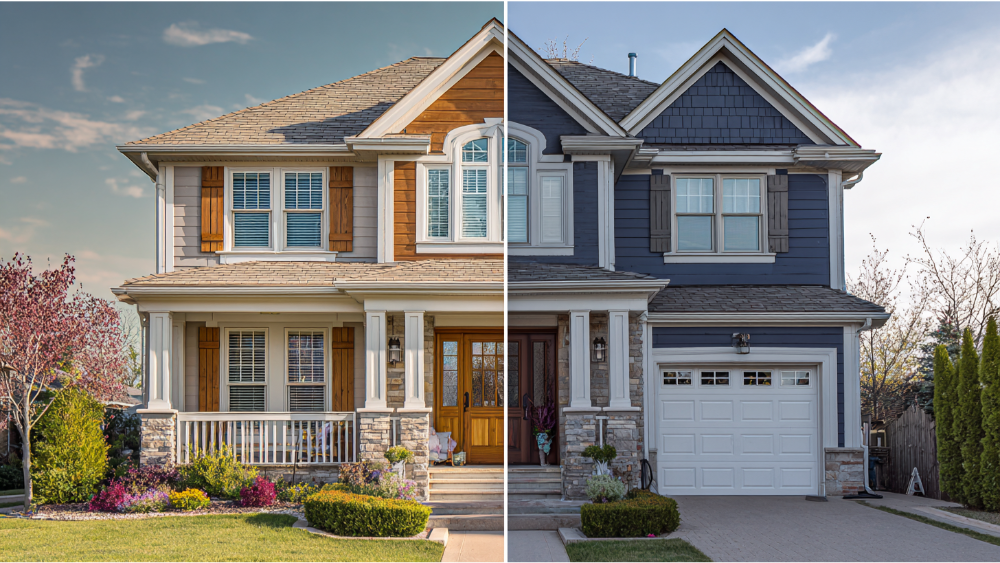
Homeowners comparing siding options often evaluate engineered wood siding alongside fiber cement siding, vinyl siding, and traditional wood siding. Each siding material has unique advantages and disadvantages.
Engineered Wood vs Fiber Cement
Fiber cement siding is made from sand, cellulose fibers, and portland cement. This composite material is known for its fire resistance and non-combustible properties. Fiber cement siding is also highly durable and resistant to insects and rot.
However, fiber cement siding is heavier than engineered wood siding and often requires a more labor intensive installation process. The additional weight can increase labor costs during installation. Fiber cement siding can also have a higher initial cost depending on the product and installation requirements.
Engineered wood siding offers a lighter alternative that still provides strong durability and moisture resistance. Many homeowners appreciate that engineered wood siding maintains the natural look of wood while remaining easier to install than fiber cement.
Engineered Wood vs Vinyl Siding
Vinyl siding is one of the most common siding options because it offers minimal maintenance and relatively low upfront cost. Vinyl siding is also considered low maintenance because it does not require painting.
However, vinyl siding can become brittle in cold weather and may crack when struck by hail or debris. Vinyl siding can also warp when exposed to high heat or intense sun.
Engineered wood siding offers a more realistic look of wood and improved impact resistance compared with vinyl siding. Though engineered wood siding requires painting and occasional maintenance, many homeowners prefer its natural look and durability.
Engineered Wood vs Traditional Wood Siding
Traditional wood siding has been used for generations because of its classic appearance. Natural wood siding provides a rich texture and authentic look of wood that many homeowners admire.
However, traditional wood siding requires regular maintenance and more upkeep than modern siding materials. Natural wood can absorb moisture, leading to rot, insect damage, or warping over time.
Engineered wood siding offers a similar aesthetic with enhanced durability. The composite material resists moisture and insect damage more effectively than untreated wood while maintaining the appearance of real wood.
Common Problems That Can Reduce Engineered Wood Siding Lifespan
Although engineered wood siding is designed for durability, certain issues can shorten its lifespan if they are not addressed quickly.
Improper Installation
Improper installation remains one of the most common causes of siding failure. Missing flashing, incorrect fasteners, or improper spacing can allow water to penetrate behind the siding panels.
When contractors install engineered wood siding with proper installation practices, the siding system is better able to manage moisture and weather exposure.
Moisture Intrusion
Poor drainage or clogged gutters can allow water to collect near siding panels. Over time this moisture exposure can weaken the composite siding material.
Proper moisture management helps maintain moisture resistance and prevents long term damage.
Poor Maintenance
Even low maintenance siding requires occasional care. Delaying repainting or ignoring damaged caulk joints can expose the siding surface to moisture.
Routine maintenance helps protect the siding from weather damage and ensures that the siding continues to perform as expected.
Signs Your Engineered Wood Siding May Need Repair or Replacement
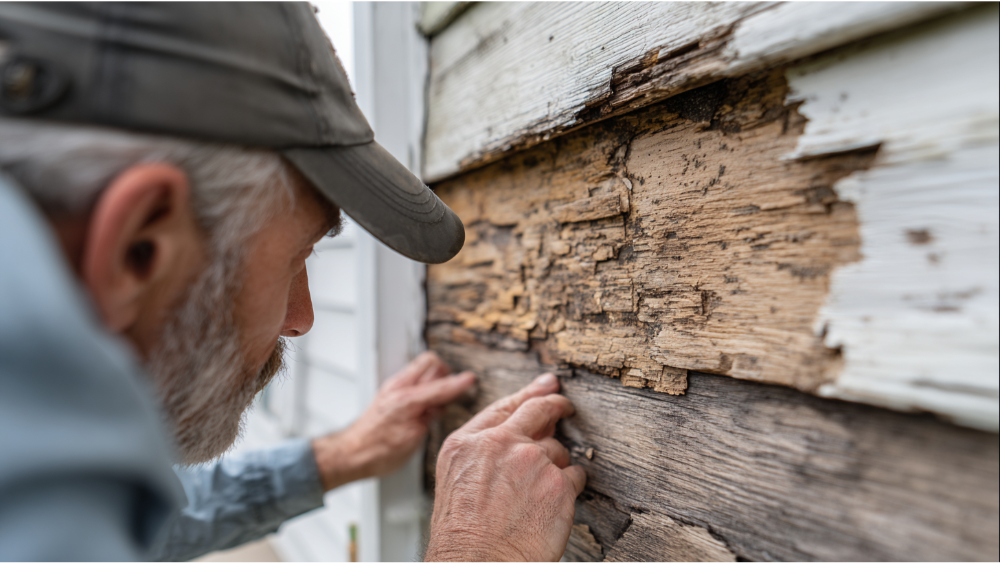
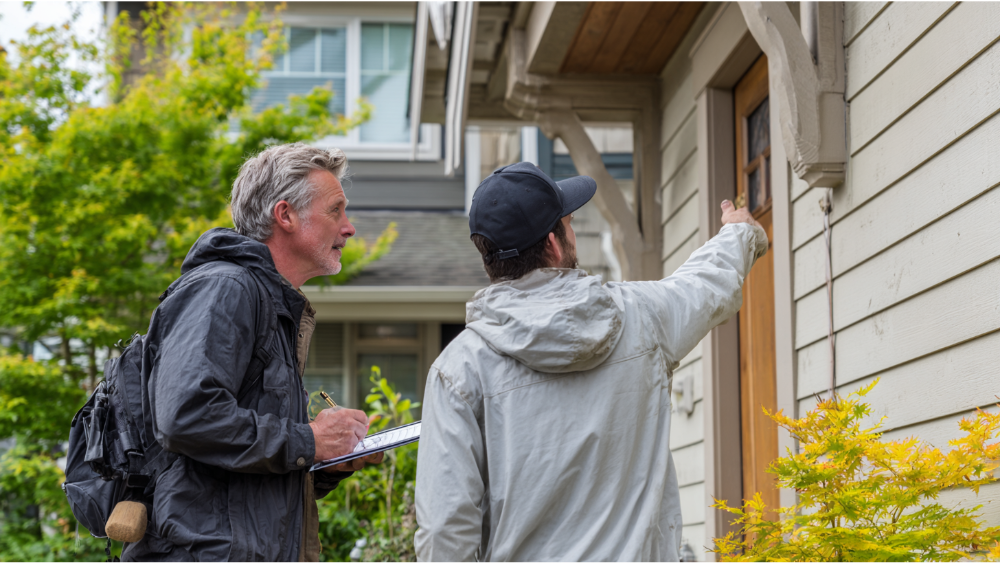
Homeowners should inspect exterior siding regularly to identify potential problems early.
Visible Swelling or Warping
Swollen or warped siding panels may indicate prolonged moisture exposure. These areas should be inspected to determine whether repairs are needed.
Paint or Finish Failure
Peeling paint or fading coatings can expose the siding material to UV rays and moisture. Repainting can restore protection and improve the appearance of the home’s exterior.
Soft or Damaged Sections
Soft spots or visible cracks may signal that the siding has been compromised by impact or moisture intrusion.
Water Damage Around Windows or Trim
Staining or discoloration around trim or window frames may indicate water infiltration behind the siding panels.
Is Engineered Wood Siding a Good Choice for Your Home?
Many homeowners choose engineered wood siding because it offers many advantages compared with traditional wood siding and some other siding materials.
Homes That Benefit Most
Engineered wood siding works well for homeowners who want the natural look of wood without the same level of maintenance required by natural wood siding. The siding provides a balance between durability and appearance that appeals to many homeowners.
Situations Where Another Siding Material May Be Better
In areas with extremely high moisture exposure, some homeowners may consider fiber cement siding or other siding types that offer non-combustible and highly water resistant properties.
Cost vs Long Term Value
Engineered wood siding can have a higher initial cost than vinyl siding, but it often provides long term value through durability and curb appeal. The material can also be cost effective compared with some premium siding materials.
Because engineered wood siding requires less maintenance than traditional wood siding, many homeowners view it as a long term investment that balances durability, appearance, and maintenance costs.
Tips for Maximizing Engineered Wood Siding Durability
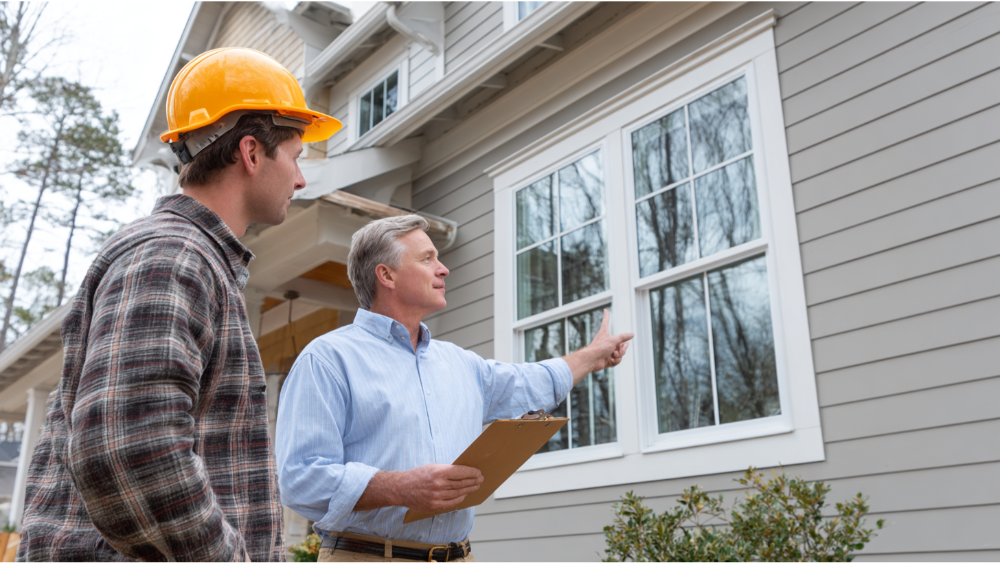
Homeowners can take several steps to maximize engineered wood siding durability.
Hire Experienced Siding Installers
Working with experienced contractors helps ensure the siding is installed correctly and follows manufacturer guidelines.
Follow Manufacturer Installation Guidelines
Proper flashing, fasteners, and spacing all contribute to long lasting siding performance.
Maintain Proper Drainage Around Your Home
Good drainage systems prevent water from accumulating near the siding surface.
Schedule Periodic Exterior Inspections
Regular inspections help identify potential problems before they become costly repairs.
FAQs About Engineered Wood Siding Durability
How long does engineered wood siding last?
Engineered wood siding can last several decades when installed properly and maintained with regular maintenance.
Is engineered wood siding waterproof?
Engineered wood siding is moisture resistant but not completely waterproof. Proper installation and maintenance help prevent water intrusion.
Does engineered wood siding rot?
Engineered wood siding is treated to resist fungal decay and insect damage, but prolonged moisture exposure can still cause damage if maintenance is neglected.
Is engineered wood siding better than vinyl siding?
Engineered wood siding offers improved impact resistance and a more natural look of wood compared with vinyl siding.
Does engineered wood siding require painting?
Yes, engineered wood siding requires painting or refinishing over time to maintain its protective finish.
Can engineered wood siding handle severe weather?
Most engineered wood siding products are designed to withstand wind, rain, and temperature changes when installed correctly.
Final Thoughts: Is Engineered Wood Siding Durable Enough for Your Home?
Engineered wood siding offers a strong combination of durability, appearance, and value for homeowners seeking new siding. The composite material combines wood fibers with protective resins to create siding that resists moisture, insects, and weather exposure.
While engineered wood siding requires some maintenance, it generally needs far less upkeep than traditional wood siding. Many homeowners choose engineered wood siding because it provides the look of wood with enhanced durability and modern performance.
When installed with proper installation practices and maintained with routine care, engineered wood siding can provide long lasting protection for your home’s exterior and remain an attractive siding solution for many years.