A Homeowner’s Complete
Many homeowners start exterior projects by asking a simple question, what siding materials are commonly available for today’s homes. The answer matters more than ever. Siding plays a major role in protecting your house, controlling energy costs, preventing moisture issues, and defining curb appeal. With advances in manufacturing and design, siding options in 2025 offer better durability, improved fire resistance, and more exterior home design flexibility than older products ever did. Whether you are replacing old siding or planning new siding for a custom build, understanding siding materials helps you choose the right siding for long-term performance and value. This guide explains the most common siding types, how each material performs, and what homeowners should consider before installation.
Why Choosing the Right Siding Material Matters
Siding protects your home’s exterior from harsh weather conditions, moisture intrusion, insect damage, and fire exposure. The right material can improve energy efficiency, reduce repair needs, and keep the house looking well cared for. Poor siding choices often lead to mold, rot, staining, and higher cost over time. Choosing siding also affects insulation, exterior cladding strength, and how well your home handles high winds or areas prone to storms. Many homeowners focus on appearance first, but durability, maintenance, and installation quality are just as important. Choosing siding should always balance curb appeal with performance and long-term value.
The Most Commonly Available Siding Materials in 2025
Vinyl Siding
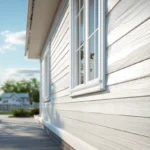
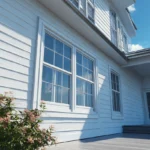
Vinyl siding remains the most popular choice for residential siding across the country. Vinyl siding products are manufactured from durable plastic materials that resist moisture, rot, and mold. Vinyl is widely available in many colors, profiles, and textures, including lap siding, board and batten, and shake styles. Insulated vinyl siding adds a layer of insulation that improves energy efficiency and helps reduce energy costs. Vinyl siding is considered a low maintenance option because it does not require painting and can be cleaned with soapy water.
Pros of Vinyl Siding
Vinyl siding is cost effective, easy to install, and widely available. It performs well in high winds when properly installed and offers strong curb appeal for most exterior home design styles.
Cons of Vinyl Siding
Lower quality vinyl can crack in extreme cold and may fade over time. While durable, vinyl does not offer the same impact resistance as fiber cement or metal siding.
Fiber Cement Siding
Fiber cement siding is one of the most durable siding materials available today. Fiber cement is made from cement, sand, cellulose fibers, and water, creating a fire resistant and moisture resistant product. Fiber cement siding is commonly painted and can closely mimic wood siding, stucco, or masonry. Products from the James Hardie Company have helped make fiber cement siding a trusted option for homeowners seeking longevity. Installing fiber cement siding requires professional installation due to the weight and specific fastening requirements.
Pros of Fiber Cement Siding
Fiber cement siding offers excellent durability, fire resistance, insect damage protection, and long service life. It performs well in harsh weather conditions and holds painted finishes for many years.
Cons of Fiber Cement Siding
The cost of fiber cement is higher than vinyl, and installation labor is more involved. Repair may also be more complex if panels crack.
Engineered Wood Siding
Engineered wood siding blends real wood fibers with resins and binders to improve durability. This siding material offers the appearance of wood without many of the traditional issues associated with natural wood. Engineered wood siding is lighter than fiber cement and easier to install.
Pros of Engineered Wood Siding
Provides a natural wood look, improved resistance to moisture and rot, and lower cost compared to real wood siding.
Cons of Engineered Wood Siding
Requires proper installation and regular maintenance to prevent long-term moisture problems.
Natural Wood Siding
Natural wood siding remains a timeless option for homeowners who value traditional design. Common choices include cedar, cedar shingles, and cedar shakes. Real wood siding adds warmth and character that other materials cannot fully replicate. Wood siding includes lap siding, board and batten, wood shingles, and cedar shakes.
Pros of Natural Wood Siding
Wood siding offers unmatched curb appeal, natural insulation, and flexibility in exterior design. Cedar is naturally resistant to rot and insects when properly maintained.
Cons of Natural Wood Siding
Wood siding requires regular maintenance such as staining and painting. Without care, wood is vulnerable to moisture, mold, rot, and insect damage, especially near trees or shaded areas.
Metal Siding
Metal siding continues to grow in popularity for both residential and modern exterior applications. Steel siding and aluminum siding are the most common metal options. Metal siding offers a sleek appearance and outstanding durability.
Pros of Metal Siding
Metal siding is fire resistant, durable, and resistant to rot and mold. Aluminum and steel siding require minimal maintenance and perform well in areas prone to high winds.
Cons of Metal Siding
Metal siding can dent from impact and typically has a higher upfront cost than vinyl.
Brick and Stone Veneer
Brick and stone veneer provide the appearance of full masonry without the structural weight. Brick remains a popular choice for accent walls, while natural stone and manufactured stone add texture and depth to a home’s exterior.
Pros of Brick and Stone Veneer
Brick and stone offer exceptional durability, fire resistance, and long-term curb appeal. These materials require little regular maintenance.
Cons of Brick and Stone Veneer
Higher installation cost and limited flexibility once installed.
Stucco Siding
Stucco remains common in specific regions and architectural styles. Stucco siding is applied as a cement-based cladding system that creates a smooth or textured finish.
Pros of Stucco Siding
Stucco offers good fire resistance, seamless appearance, and design flexibility.
Cons of Stucco Siding
Stucco can crack and is vulnerable to moisture if not properly installed or maintained.
Comparing Common Siding Materials Side by Side
When comparing siding materials, homeowners should consider durability, cost, maintenance, and lifespan. Vinyl and aluminum siding offer low maintenance and affordability. Fiber cement provides superior durability and fire resistance. Wood siding offers unmatched beauty but requires ongoing care. Brick and stone deliver long-term performance and high perceived value. Metal siding excels in durability and resistance to harsh conditions.
How Climate and Location Affect Siding Choice
Climate plays a major role in choosing siding. Moisture heavy regions benefit from fiber cement, vinyl, or metal cladding. Cold climates require materials that resist cracking and moisture infiltration. Areas prone to high winds benefit from heavier siding materials like fiber cement, brick, or steel siding. Dry climates often favor stucco or fiber cement for durability and fire resistance.
Maintenance Expectations by Siding Type
Low maintenance siding includes vinyl, insulated vinyl siding, aluminum siding, steel siding, and brick veneer. Fiber cement requires periodic inspection and repainting but less regular maintenance than wood. Wood siding requires staining, painting, and monitoring for rot and insect damage. Properly maintained siding extends lifespan and preserves curb appeal.
Cost Considerations When Choosing Siding
Siding cost varies based on material, installation complexity, and house size. Vinyl remains the lowest cost option. Fiber cement, metal, and brick carry higher upfront cost but deliver longer durability. Long-term repair, energy efficiency, and maintenance should be factored into total cost. New siding is an investment that protects your home’s exterior and increases value.
Trends in Siding Materials for 2025
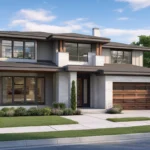
Exterior home design trends favor mixed siding materials, combining wood, stone, metal, and fiber cement for visual interest. Dark painted finishes, board and batten profiles, and low maintenance materials are in high demand. Energy efficient siding systems and improved insulation are also driving material selection.
How to Choose the Best Siding for Your Home
Choosing siding starts with understanding your priorities. Budget, appearance, durability, and maintenance tolerance all matter. Consider your climate, exterior design goals, and how long you plan to stay in the house. Professional installation ensures siding performs as intended and protects against moisture, fire, and long-term damage.
FAQs About Common Siding Materials
What is the most common siding material used today?
Vinyl siding remains the most commonly installed siding material for residential homes.
Which siding material lasts the longest?
Brick, stone, metal siding, and fiber cement siding offer the longest durability when properly installed.
What siding requires the least maintenance?
Vinyl, insulated vinyl siding, aluminum siding, steel siding, and brick veneer require the least regular maintenance.
Is vinyl or fiber cement siding better?
Vinyl offers lower cost and easier maintenance. Fiber cement provides greater durability, fire resistance, and premium appearance.
How do I know which siding is right for my home?
Choosing siding depends on climate, cost, exterior design, and maintenance preferences. Working with experienced professionals helps ensure the right choice.
Final Thoughts
Understanding what siding materials are commonly available empowers homeowners to make confident decisions. The right siding protects your home, improves energy efficiency, and enhances curb appeal. Whether you prefer vinyl, fiber cement, wood, metal, brick, or stucco, selecting quality materials and proper installation makes all the difference.
Ready to Upgrade Your Siding?
If your home needs new siding or you are replacing old siding, our team is ready to help. Schedule a consultation today and discover the best siding options for your home’s exterior.