Which Is Better for Your Home?
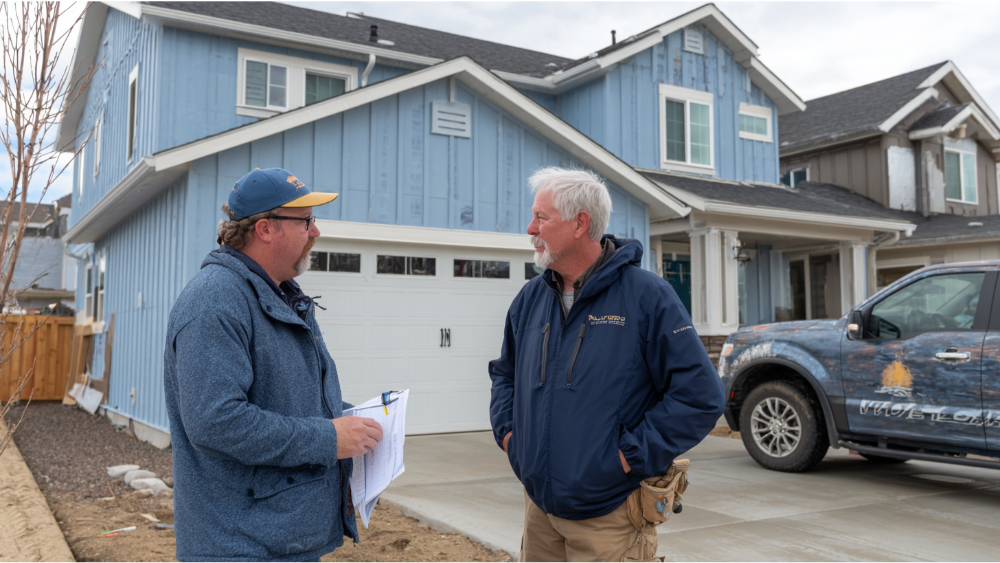
Choosing the right siding is one of the most important decisions homeowners make during a home improvement project. The material you choose affects durability, maintenance, energy efficiency, and your home’s curb appeal. When comparing options, the most common question we hear from homeowners is about a fiber cement siding vs vinyl siding comparison. These two materials dominate the residential siding market because they offer strong performance, attractive styles, and reliable protection for the home’s exterior. Understanding the differences between cement siding vs vinyl siding helps homeowners choose the right siding for their goals and budget. This guide provides a complete fiber cement siding vs vinyl siding comparison to help you determine the best siding for your property.
Quick Answer: Fiber Cement vs Vinyl Siding
When looking at fiber cement siding vs vinyl siding, the decision usually comes down to cost, durability, maintenance, and aesthetic appeal. Vinyl siding is often the most cost effective solution and a popular low maintenance option for homeowners who want an affordable upgrade. Fiber cement siding costs more upfront but delivers long term durability, a realistic wood like appearance, and strong fire resistance. Many homeowners choose vinyl siding because it requires less maintenance and offers a wide range of styles. Others prefer fiber cement siding because cement siding vs vinyl siding comparisons often highlight better durability and long term value with fiber cement materials. Both fiber cement and vinyl siding can protect a home effectively when installed correctly.
What Is Fiber Cement Siding?
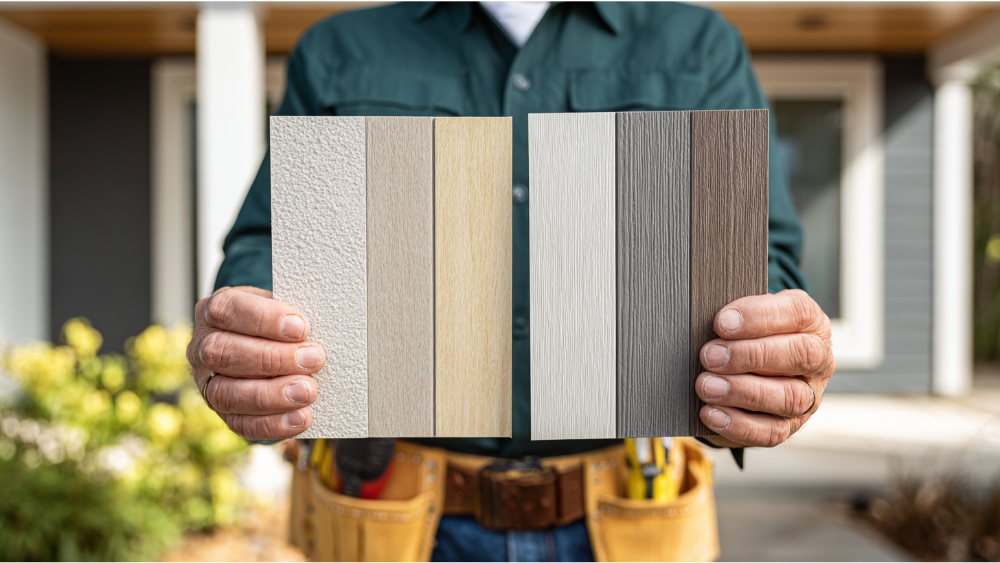
Fiber cement siding is a durable building material made from cement, sand, and cellulose fibers. The production process combines these materials to create fiber cement board that resembles natural wood while delivering superior strength. This material has become one of the best siding options for homeowners who want durability and aesthetic appeal without the problems associated with wood siding.
Fiber cement siding is commonly manufactured by brands such as James Hardie, which is one of the most recognized names in the industry. Many contractors install James Hardie products because they provide consistent quality and long term durability. Fiber cement board is typically available in lap siding, vertical siding, and shingle style panels, which allows homeowners to match a wide variety of architectural styles.
Why Many Homeowners Choose Fiber Cement
Many homeowners choose fiber cement siding because it provides a wood like appearance without the risk of rot or pest damage that affects wood siding. Fiber cement siding also performs well in harsh weather conditions and can withstand environmental stresses like intense heat, strong winds, and extreme temperatures. Because the material contains cement and cellulose fibers, it does not absorb water the same way traditional wood materials do. This helps prevent mold growth and mildew growth on the home’s exterior.
Another benefit of fiber cement siding is fire resistance. Fiber cement products are considered fire resistant because they contain cement and do not ignite easily. This can provide additional peace of mind for homeowners who want stronger protection against fire related risks.
Fiber cement siding also improves a home’s curb appeal. The thick boards create shadow lines similar to real wood siding, giving homes a premium aesthetic appeal. Many fiber cement siding products are pre painted at the factory and hold color well, although touch ups and repainting may be required over time with proper maintenance.
What Is Vinyl Siding?
Vinyl siding is made from PVC plastic and has been used in residential construction for decades. The material is lightweight, cost effective, and designed to deliver minimal maintenance for homeowners. Vinyl siding panels attach to the home’s exterior through a locking system that allows for expansion and contraction during extreme temperatures.
Vinyl siding comes in many styles including traditional horizontal lap siding, vertical panels, and insulated vinyl siding systems. Insulated vinyl siding includes rigid foam insulation attached to the back of the panels, which can improve the home’s energy efficiency and help reduce heat transfer through the wall system.
Why Vinyl Siding Is So Popular
Vinyl siding remains one of the most widely used siding products in residential construction. The primary reason is cost. Vinyl siding is typically less expensive per square foot compared to cement siding vs vinyl siding alternatives like fiber cement siding. Because vinyl panels are lightweight and easier to install, labor costs are often lower as well.
Another reason vinyl siding is popular is its low maintenance nature. The color is built into the material, so homeowners do not need to paint it. Cleaning vinyl siding usually involves a simple rinse with water to remove dirt or mildew growth. This makes vinyl siding a low maintenance option for homeowners who want fewer repairs and less upkeep.
Vinyl siding also offers a wide selection of colors and textures. Many manufacturers create vinyl siding products that mimic wood grain surfaces. While it may not have the same level of realism as fiber cement siding, vinyl siding can still provide attractive curb appeal at a more affordable cost.
Fiber Cement vs Vinyl Siding: Key Differences
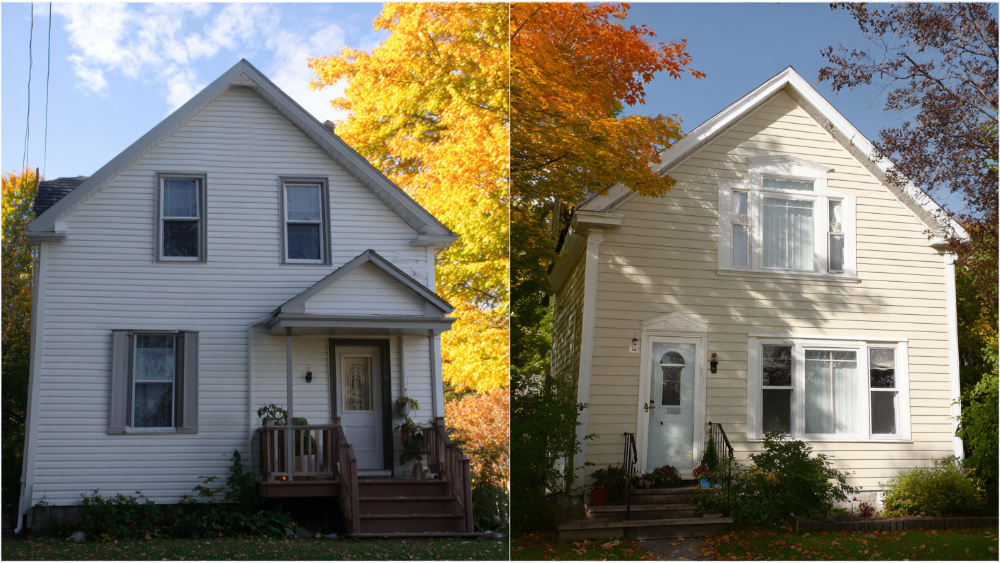
A detailed fiber cement siding vs vinyl siding comparison helps homeowners understand the strengths of each material. The main factors that influence the decision include durability, maintenance requirements, aesthetic appeal, energy efficiency, and overall cost.
Appearance and Curb Appeal
When evaluating cement siding vs vinyl siding, appearance is often a top priority for homeowners. Fiber cement siding offers a realistic wood like appearance and deep shadow lines that closely resemble traditional wood siding. Many architects and contractors prefer fiber cement siding because it enhances a home’s curb appeal and creates a premium look.
Vinyl siding has improved significantly over the years and now includes textured finishes designed to mimic wood surfaces. However, fiber cement siding vs vinyl siding comparisons often show that fiber cement provides a more authentic wood appearance. Homeowners who want the visual character of wood siding without the maintenance typically choose fiber cement siding.
Durability and Weather Resistance
Durability is another major factor in the fiber cement siding vs vinyl siding debate. Fiber cement siding is known for its long term durability and resistance to environmental stresses. The combination of cement and cellulose fibers creates a material that can withstand severe weather, strong winds, and harsh weather conditions.
Vinyl siding durability has improved over the years, but the material can still crack under heavy impact or extreme temperatures. Vinyl siding can expand and contract during sun exposure and intense heat. In milder climates, vinyl siding performs well, but in areas with harsh weather conditions fiber cement siding often provides stronger protection.
Fire Resistance
Fire resistance is one area where fiber cement siding vs vinyl siding differences become very clear. Fiber cement products are considered fire resistant because they contain cement and do not ignite easily. This can slow the spread of flames and provide additional safety for the home’s exterior.
Vinyl siding can melt when exposed to intense heat. While it still protects the structure underneath, it does not provide the same level of fire resistance as cement siding. For homeowners concerned about fire safety, fiber cement siding is often the better option.
Maintenance Requirements
Maintenance is another key part of the cement siding vs vinyl siding conversation. Vinyl siding is widely known as a low maintenance material. The color is integrated into the vinyl panels, so painting is not necessary. Occasional cleaning is usually enough to maintain the appearance.
Fiber cement siding also requires relatively low maintenance but may require repainting over time. Pre painted fiber cement siding can maintain color for many years, but touch ups and repainting may eventually be needed to keep the siding looking fresh. With proper maintenance, both fiber cement and vinyl siding can last for decades.
Energy Efficiency
Energy efficiency is influenced by the entire wall assembly, but siding materials can still contribute to the home’s energy efficiency. Insulated vinyl siding systems include foam insulation that helps reduce heat transfer through the walls. This insulation layer can improve comfort and reduce heating and cooling costs.
Fiber cement siding does not typically provide the same level of insulation on its own. However, when paired with proper insulation inside the wall system, fiber cement siding can still contribute to a well insulated exterior.
Improving a home’s energy efficiency often depends on adding insulation during the siding replacement process. Contractors may install foam board insulation behind fiber cement siding or choose insulated vinyl siding to increase overall thermal performance.
Lifespan and Warranty
Durability and lifespan are major considerations in any fiber cement siding vs vinyl siding comparison. Fiber cement siding can last 30 to 50 years or longer with proper maintenance. Many manufacturers such as James Hardie offer long warranties that support the long term durability of fiber cement products.
Vinyl siding typically lasts between 20 and 40 years depending on environmental conditions. Some manufacturers offer lifetime limited warranties, although the performance of vinyl siding can vary depending on sun exposure and installation quality.
Installation Complexity
Installation also plays a role in cement siding vs vinyl siding decisions. Vinyl siding is lightweight and easier to install, which helps reduce overall cost. Fiber cement siding is heavier and requires specialized cutting tools and installation methods. Because of this, professional installation is strongly recommended for fiber cement siding projects.
Working with experienced contractors ensures that both fiber cement and vinyl siding are installed correctly. Proper installation protects the home’s exterior and maximizes the durability of the siding material.
Cost Comparison: Fiber Cement vs Vinyl Siding
Cost comparison is often the deciding factor when homeowners evaluate fiber cement siding vs vinyl siding. Vinyl siding is typically more cost effective and accessible for many homeowners. The average price per square foot is lower for vinyl siding, which makes it a popular option for large exterior renovation projects.
Fiber cement siding generally costs more per square foot because the material is heavier and installation requires more labor. However, fiber cement siding may deliver better value in terms of durability and resale value. When comparing cement siding vs vinyl siding costs, it is important to consider both the initial investment and the long term benefits.
Many homeowners find that fiber cement siding provides better value over time due to its durability and aesthetic appeal. Vinyl siding offers a cost effective entry point for homeowners who want to improve their home’s exterior without a large upfront investment.
Pros and Cons of Fiber Cement Siding
Advantages of Fiber Cement Siding
Fiber cement siding offers excellent durability and resistance to severe weather and environmental stresses. The cement composition helps prevent issues such as mold growth, mildew growth, and pest damage. Fiber cement siding also provides strong fire resistance and a premium wood like appearance.
Another advantage is the long term durability of fiber cement materials. Homes with fiber cement siding often experience fewer repairs and improved curb appeal. Many homeowners also appreciate the long term value and potential resale value that fiber cement siding can provide.
Potential Drawbacks of Fiber Cement Siding
The primary drawback of fiber cement siding is cost. Fiber cement siding usually costs more than vinyl siding because of material weight and installation complexity. The siding may also require repainting or touch ups over time to maintain its appearance.
Pros and Cons of Vinyl Siding
Advantages of Vinyl Siding
Vinyl siding is widely considered one of the most cost effective siding options available. The material offers low maintenance and requires less maintenance compared to wood siding or painted materials. Because vinyl siding is lightweight, installation is faster and often more affordable.
Vinyl siding also provides strong aesthetic appeal with a wide selection of colors and textures. Many manufacturers offer insulated vinyl siding products that improve energy efficiency and help regulate indoor temperatures.
Potential Drawbacks of Vinyl Siding
Vinyl siding durability can vary depending on climate and installation quality. In areas with extreme temperatures or strong winds, vinyl siding panels may crack or warp. Vinyl is also made from plastic, which means the non biodegradable nature of the material contributes to environmental impact concerns.
Which Siding Is Better for Your Home?
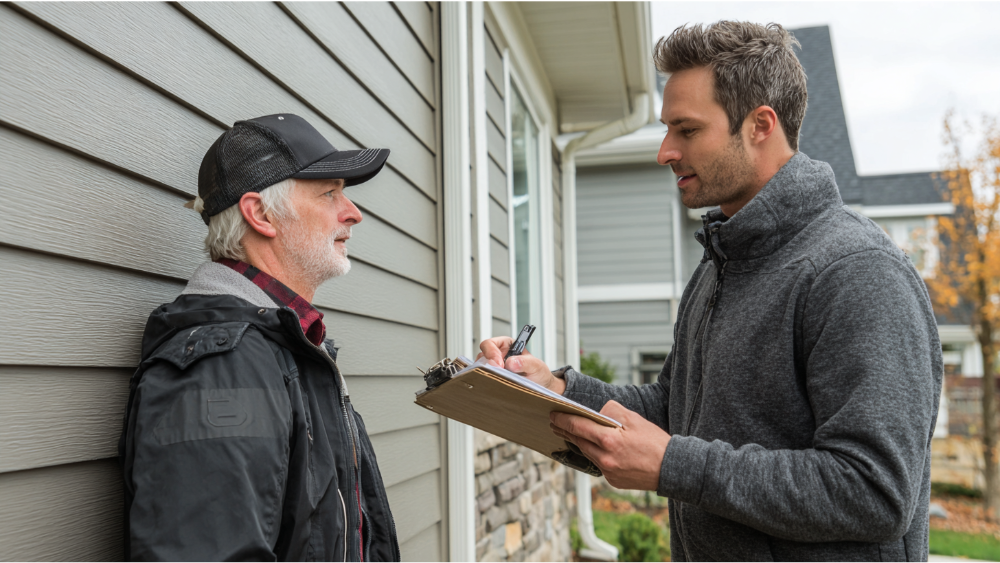
Choosing the best siding for your home depends on your priorities. Some homeowners prioritize durability and long term value, while others focus on cost and minimal maintenance.
Fiber cement siding is often the smart choice for homeowners who want superior durability, fire resistance, and a premium wood like appearance. Vinyl siding is an attractive option for homeowners who want a cost effective solution with low maintenance and easy installation.
Both fiber cement and vinyl siding can protect a home’s exterior effectively when installed by experienced professionals. The right siding choice should match your climate, budget, and long term goals.
How to Choose the Right Siding Contractor
Selecting the right contractor is just as important as choosing the siding material. Professional installation ensures that siding performs properly and protects the home’s exterior for decades. Experienced contractors provide expert advice on materials, insulation options, and installation methods.
Working with a reputable contractor helps homeowners evaluate the fiber cement siding vs vinyl siding decision with confidence. Contractors can recommend the best siding materials based on climate, design preferences, and budget.
FAQs About Fiber Cement and Vinyl Siding
Is fiber cement siding better than vinyl siding?
Fiber cement siding is often considered better for durability and fire resistance. Vinyl siding is typically more affordable and requires less maintenance.
Which siding lasts longer?
Fiber cement siding usually lasts longer than vinyl siding. With proper maintenance, fiber cement siding can last 30 to 50 years or more.
Is fiber cement siding more expensive than vinyl siding?
Yes. Fiber cement siding generally costs more per square foot than vinyl siding because of material weight and installation complexity.
Does vinyl siding increase home value?
Vinyl siding can improve curb appeal and help maintain property value by improving the home’s exterior.
Can vinyl siding look like wood?
Many vinyl siding products are designed to mimic wood textures. However, fiber cement siding usually provides a more realistic wood like appearance.
Does fiber cement siding need painting?
Some fiber cement siding products come pre painted from the factory. Over time, repainting or touch ups may be required with proper maintenance.
Final Thoughts: Fiber Cement vs Vinyl Siding
When evaluating fiber cement siding vs vinyl siding, homeowners should consider cost, durability, maintenance, and aesthetic appeal. Vinyl siding is a cost effective solution with minimal maintenance and quick installation. Fiber cement siding provides superior durability, fire resistance, and a premium wood like appearance that enhances curb appeal.
Both fiber cement and vinyl siding can improve the home’s exterior when installed correctly. Understanding the cement siding vs vinyl siding differences helps homeowners choose the right siding for their needs. For many homeowners, the decision comes down to balancing upfront cost with long term value and durability. Choosing the best siding for your home ensures lasting protection and improved curb appeal for years to come.