Quick Answer: Yes, Replacing Siding Is Usually Worth It
Homeowners often ask is it worth replacing siding on a house when they notice wear on their exterior siding or rising energy bills. The answer usually depends on the age of the current siding, the extent of damage, and long-term plans for the property. At Elevate Construction Group, we help homeowners understand whether a siding replacement project will protect their investment and significantly enhance their home’s appearance, comfort, and value. New siding improves curb appeal, strengthens protection against severe weather, and supports better energy efficiency for years to come.
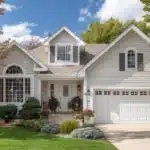
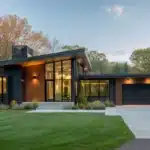
Replacing siding is a worthwhile investment for most homeowners because it improves curb appeal, boosts home value, and creates a stronger protective barrier around the home. Modern materials like vinyl siding, fiber cement siding, engineered wood, and even premium products such as natural stone and manufactured stone veneer outperform older siding systems in durability, energy efficiency, and weather protection. A home with fresh siding looks newer and more inviting, which helps attract buyers in a competitive local real estate market. When older siding begins to fail or no longer provides adequate insulation underneath, replacement siding becomes the smarter long-term choice. Get a free siding assessment today and find out what your home truly needs.
What Homeowners Mean by Worth It
Financial ROI and Resale Value
Many homeowners want to know how much value new siding adds and whether it delivers a strong return on investment. Updated exterior siding improves resale value because buyers notice signs of care immediately. A home with quality siding looks clean, modern, and well maintained. In most neighborhoods, siding replacement recoups a large portion of the upfront cost at resale because buyers value long-lasting exterior materials and lower maintenance requirements.
Long Term Cost Savings
Current siding that needs frequent repairs or frequent painting becomes expensive over time. Seasonal pressure washing, caulking, patching small cracks, and sealing wood siding all add to routine maintenance costs. Replacing siding with modern materials reduces these ongoing expenses. Vinyl siding and fiber cement are known for minimal maintenance and minimal upkeep, which lowers long-term labor costs and helps keep energy costs under control. When siding is properly sealed, indoor comfort improves and homeowners often notice lower utility bills.
Comfort and Peace of Mind
Homeowners also want stability and safety. New siding increases protection from extreme weather, extreme temperatures, and harsh weather conditions. A well-built siding system with proper installation and proper weather barriers reduces drafts and moisture intrusion, which prevents structural damage behind the walls. Fresh siding brings stronger insulation performance and improves the home’s energy efficiency so the home stays cooler during summer and warmer during winter.
2025 Siding Replacement Costs: Vinyl, Fiber Cement, and More
National Cost Ranges
Most siding replacement projects in 2025 range between eight thousand and thirty thousand dollars or more depending on the size of the home. Cost is typically calculated per square foot with prices varying based on siding material, labor costs, and the condition of old siding. Larger homes with intricate architectural details naturally fall at the higher end of the spectrum.
Material-by-Material Cost Comparison
Vinyl siding remains one of the most cost-effective siding options for homeowners who want reliable performance and a low maintenance option. Fiber cement siding costs more but offers premium durability and a beautiful finish that resembles natural wood without the upkeep. Engineered wood provides a warm natural look with improved resistance and typically falls in the mid-range for pricing. Wood siding offers timeless charm but requires routine maintenance and may not be ideal in areas with severe weather. Premium options like stone veneer, natural stone, and manufactured stone provide luxury aesthetics but come with higher material and labor costs.
What Determines Your Final Price
Final cost depends on home size, number of stories, trim details, insulation underneath, the need for sheathing repair, and the condition of the existing siding. If old siding requires full removal or if there is hidden structural damage, costs increase. Homes with complex designs or steep rooflines also demand more labor which affects total project pricing.
Internal Linking Opportunity
This section can link to Elevate Construction Group’s Siding Installation page for more detail on materials and pricing.
Average ROI of New Siding in 2025
Vinyl Siding ROI
Vinyl siding remains popular due to its affordability and strong performance. Homeowners who choose vinyl often enjoy substantial improvements in curb appeal and home value. Replacing vinyl siding is a straightforward way to refresh the exterior and maintain a cost-effective upgrade.
Fiber Cement Siding ROI
Fiber cement is known for being extremely durable and long lasting. Fiber cement siding often delivers higher return on investment because of its resilience, natural wood appearance, and ability to resist moisture, pests, and fire. Homeowners looking for premium results and long-term confidence often select fiber cement as their replacement siding choice.
Why Exterior Upgrades Outperform Interior Projects
Exterior improvements like siding replacement stand out in buyer evaluations because they improve the home’s exterior immediately. A fresh exterior siding system reduces buyer concerns and boosts confidence in the home’s overall condition. Homebuyers value turnkey upgrades that improve both function and aesthetic appeal, which is why these projects frequently outperform interior renovations.
When ROI Might Be Lower
ROI may be lower in neighborhoods where home prices have a strict ceiling or when homeowners invest in ultra-premium siding materials that exceed the standard for the area. If a homeowner plans to sell within a few months and the current siding is acceptable, minor siding repair may temporarily solve aesthetic concerns without requiring a full replacement.
Signs It’s Time to Replace Your Siding, Not Just Repair It
Structural and Moisture Red Flags
Cracks, warping, rot, mold streaks, bubbling, and soft spots indicate that old siding has begun to fail. When moisture gets behind exterior siding, it can cause structural damage and costly repairs. If you notice signs of moisture infiltration, replacement is usually the safest choice.
Visible Wear and Age
Faded siding, loose boards, and older siding that is twenty to thirty years old often signal that the home’s exterior has reached the end of its expected lifespan. Re siding becomes necessary when the siding no longer protects the home effectively.
Rising Maintenance Costs
When homeowners spend money on frequent repairs, scraping, and repainting, it becomes clear that replacing siding will be more cost effective than maintaining older materials. New siding materials offer longer lifespan and lower maintenance requirements.
Higher Energy Bills and Drafts
A poorly sealed exterior drives up energy bills by letting air escape through gaps in the siding. New siding and proper insulation underneath improve the home’s energy efficiency and help control heating and cooling costs throughout the year.
Internal Linking Opportunity
This section can link to roofing, gutter, or window services to complete the exterior upgrade.
How New Siding Improves Your Home Beyond ROI
Better Curb Appeal and First Impressions
New siding immediately improves the home’s curb appeal. Updated colors and modern materials significantly enhance aesthetic appeal and help attract buyers if you plan to sell.
Increased Energy Efficiency
When replacing siding, homeowners often see improved energy efficiency because modern materials are better insulated and properly sealed. This helps stabilize indoor temperatures and reduces monthly energy costs.
Weather Resistance and Home Durability
New siding is designed to resist wind, rain, UV exposure, and harsh weather conditions. Fiber cement and engineered wood are especially effective in areas with severe weather thanks to their stability and strength.
Low Maintenance Exteriors
Vinyl siding, fiber cement, engineered wood, and other modern materials offer minimal upkeep. A simple rinse with a pressure washer or light pressure washing usually keeps fresh siding looking clean without labor-intensive care.
Should You Repair or Replace Your Siding?
When Repairs Make Sense
Siding repair works when damage is limited to a small area and the rest of the exterior siding is in good shape. Small cracks, minor dents, or isolated fading may not require a full siding replacement project.
When Replacement Is the Better Investment
If the siding is worn across the entire home, if moisture has reached the sheathing, or if older siding is nearing the end of its lifespan, it is time to replace siding instead of patching it. Replacement prevents deeper damage that could be costly later.
How to Make the Decision with Confidence
An Elevate siding assessment includes a complete inspection of the home’s exterior, insulation underneath, building materials, and structural condition. You will receive clear guidance on whether it is best to re siding or fully replace your siding based on real findings.
How Long Does New Siding Last?
Material Lifespans
Vinyl siding commonly lasts twenty to thirty years. Fiber cement siding and fiber cement panels can last forty to fifty years or more with proper installation. Engineered wood offers the beauty of natural wood combined with enhanced strength and can last decades. Traditional wood siding, when maintained well, can last twenty to forty years but requires routine maintenance.
What Affects Longevity
Longevity depends on proper installation, local climate, the quality of siding materials used, and how well the exterior is maintained. Homes in locations with extreme weather face more wear but modern materials handle these conditions better than older products.
Choosing the Right Siding Material for Your Home
Vinyl Siding
Vinyl siding is a low maintenance option that offers great value. It is budget friendly, durable, and comes in a wide range of colors and styles.
Fiber Cement
Fiber cement delivers the look of natural wood without the upkeep. It is extremely durable and performs well in extreme temperatures and harsh weather conditions.
Engineered Wood
Engineered wood siding is created with wood fibers and resins for added strength. It offers the warmth of natural wood with better resistance to moisture.
Wood Siding
Wood siding is authentic and beautiful but requires more upkeep. It is ideal for homeowners who prefer natural aesthetics and are willing to invest in routine maintenance.
How Elevate Helps You Decide
Our team provides samples, color guidance, and 3D visualizations so you can compare siding options before making a decision. We ensure all the siding materials considered fit your goals for durability, style, and long term value.
What to Expect During a Siding Replacement Project
The On-Site Process
A siding replacement project begins with the removal of old siding, inspection of the sheathing, and replacement of any damaged areas. A weather barrier is added before installing new siding and trim. The goal is a properly sealed exterior that protects the home for decades.
Project Timeline
Most homes take several days to a few weeks depending on the square foot coverage and the siding material used. Weather, labor availability, and home complexity also affect the timeline.
Working With a Professional Team
Professional installation ensures the siding is secure and properly sealed. Homeowners can expect clear communication, a clean jobsite, and long lasting results.
Is New Siding Worth It If You Are Selling Soon?
When It Pays Off
Replacing siding before selling is beneficial if the current siding looks worn, faded, or damaged. Updated siding helps attract buyers and improves the home’s curb appeal in listing photos.
When It Might Not
If the siding is still in good condition and the market value of the home is capped by the neighborhood, small improvements may be enough. A full replacement is not always required when preparing for a quick sale.
What Real Estate Pros Say
Agents often recommend exterior improvements because they make homes easier to market. New siding helps create a strong first impression and increases buyer interest.
How Elevate Construction Group Helps You Maximize Value
Transparent Estimates and Honest Recommendations
We provide clear pricing and honest recommendations based on the condition of the home. If repair is the smarter option, we will say so.
High Quality Installation
Our experienced crews focus on detail, proper installation, and high performing building materials. This ensures long lasting protection.
Local Expertise
We understand local climate, neighborhood expectations, and the siding materials that perform best in this region. This ensures better long term performance and home value.
Call to Action
Schedule a free siding consultation with Elevate Construction Group.
FAQs About Siding Replacement
Is it cheaper to replace all siding at once?
Yes. Replacing all the siding at one time reduces labor costs and ensures all materials match perfectly.
How do I know if my siding is beyond repair?
If you notice rot, warping, mold, or moisture damage behind the panels, the siding has failed and needs full replacement.
What is the most cost effective siding to install?
Vinyl siding is the most cost effective option for many homeowners due to its affordability and minimal maintenance requirements.
Does new siding improve energy efficiency?
Yes. New siding improves the home’s energy efficiency by sealing gaps and protecting insulation underneath.
How much does siding replacement increase home value?
Siding upgrades often deliver strong ROI. They significantly enhance curb appeal which directly influences home value and buyer interest.
How long will new siding last?
Most siding materials last for decades depending on the material and level of maintenance.
Is siding replacement messy or disruptive?
A professional installation team keeps the workspace organized so daily routines can continue as usual.
Does new siding require maintenance?
Modern materials require minimal upkeep. Occasional cleaning with a pressure washer or light washing is usually enough.
Final Verdict: Is Replacing Your Siding Worth It in 2025?
Yes. Replacing siding is one of the smartest exterior upgrades you can make. It delivers a strong return on investment, improved curb appeal, enhanced home value, and long lasting protection against extreme weather. Whether you choose vinyl siding, fiber cement, engineered wood, or another siding material, you will enjoy a cleaner look, better comfort, and reduced maintenance. Get your free siding estimate today. Our team will help you choose the best siding option for your home and budget.