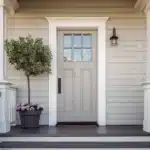
How Do I Know If My Door Needs to Be Replaced vs Repaired?
Many homeowners eventually face the same frustrating question, how do I know if my door needs to be replaced vs repaired? A door is one of the hardest working parts of any home. It protects your family members, supports your home’s security, keeps cold air out, and contributes to energy efficiency and curb appeal. When a door starts showing problems, deciding between door repair and door replacement can feel overwhelming. The right call depends on the condition of the door, the door frame, the door slab, and how the door fits into your long term value goals. This guide breaks everything down clearly so you can decide what makes the most sense for your home repair needs.
Why This Decision Matters More Than Most Homeowners Realize
A door is not just an entry point. It plays a major role in energy costs, safety, and home value. Older doors often suffer from poor insulation, air leaks, and visible damage that increase utility bills and strain cooling systems. A door that does not close properly can compromise your home’s security and force family members to use extra force just to get inside. Many homeowners delay action because they are unsure whether a repair or replacement is cost effective. Making the wrong choice can be time consuming and expensive. Making the right choice can save money and improve comfort for years.
Start With the Big Question, What’s Actually Wrong With the Door?
Before you decide to replace a door or schedule door repair, you need to understand the real issue. Common indicators include difficulty opening or closing, drafts, peeling paint, moisture damage, or a loose fit in the entire frame. Some problems are cosmetic and easy to fix. Others point to structural damage within the door’s structure or the door frame. Evaluating the door hinges, hinge pins, strike plate, and door sweep helps reveal whether the problem is minor or part of a larger failure. Knowing what the door shows signs of is the first step toward the right call.
When Door Repair Is the Right Choice
Minor Hardware Issues
Door repair is often the best option when the problem is limited to hardware. Loose screws in the hinges, worn hinge pins, or a misaligned strike plate can prevent the door from closing smoothly. These minor issues usually require simple adjustments or replacement parts. Minor repairs like tightening door hinges or realigning hardware are cost effective and can extend the life of a door that is otherwise in good shape.
Sticking or Rubbing Doors
A door that sticks or rubs against the frame does not always need to be replaced. Seasonal changes, humidity, and normal house settling can affect alignment. If the door slab is still solid and the entire frame is intact, sanding, adjusting hinges, or ensuring the door is properly aligned can solve the issue. Repairing alignment problems is often quicker than replacing the entire door.
Drafts Caused by Worn Weather Stripping
If cold air comes in around the edges, the problem is often worn weather stripping or a failing door sweep. Replacing weatherstripping helps restore a proper seal and reduces air leaks. This type of door repair improves energy efficiency without the cost of a new door. If the door slab and frame are solid, replacing weatherstripping is usually all that is needed.
Cosmetic Damage Only
Peeling paint, minor dents, or small scratches can make a door look worse than it actually is. If the door shows no structural damage and remains energy efficient, cosmetic repair is usually enough. Refinishing or repainting restores aesthetic appeal and helps protect the surface from future moisture damage.
Repair Cost vs Remaining Door Life
When deciding on repair, consider how much life the door has left. If the door is relatively new, in good shape, and the repair addresses a single problem, repair often makes the most sense. Minor cracks or small issues can be fixed without investing in a full door replacement.
When Door Replacement Is the Smarter Investment
Structural Damage You Can’t Ignore
Structural damage is one of the clearest signs a door needs to be replaced. Warping, extensive damage, water damage, insect damage, or rot weaken the door’s structure and the door frame. When the door slab no longer fits securely or the entire frame shows frame damage, repair becomes unreliable. Full door replacement is the safest and most durable solution in these cases.
Doors That Compromise Home Security
A door that does not latch securely or has gaps around the frame puts your home’s security at risk. Older doors may lack modern locking systems or reinforced cores. If the strike plate no longer aligns or the door requires extra force to close properly, replacement is often the better option. A new door provides stronger materials and improved protection.
Ongoing Energy Loss and Rising Utility Bills
If you feel cold air coming through even after repairs, the door may suffer from poor insulation. Older doors often allow air leaks that raise higher energy bills and impact utility bills year round. Energy efficient doors are designed with better cores and sealing systems that reduce energy costs. Door replacement improves comfort and lowers long term expenses.
Repeated Repairs That Never Fully Fix the Problem
When a door has persistent issues and requires repeated service call visits, replacement is usually more cost effective. Constant repairs add up in both time investment and money. Replacing the entire door eliminates ongoing frustration and delivers reliable performance.
Outdated Style or Poor Curb Appeal
Your front door plays a major role in curb appeal and home value. Outdated designs, visible damage, or mismatched architectural styles can make a home look tired. Door replacement gives you the opportunity to choose a new door that enhances aesthetic appeal and complements modern designs.
Repair vs Replacement, A Side by Side Comparison
Cost Comparison
Door repair typically has a lower upfront cost. Door replacement costs vary greatly depending on material, size, and installation. While repair can save money short term, replacement often delivers better long term value.
Lifespan Expectations
A repaired door may last several more years. A new door, when properly installed, can last decades with minimal maintenance.
Energy Efficiency Impact
Repairs like replacing weatherstripping help temporarily. Energy efficient doors provide consistent insulation and reduce energy costs long term.
Security and Safety
Repairs can improve function, but replacement offers the highest level of security and durability.
Door Type Matters, Repair vs Replace by Door Style
Front Entry Doors
A front door affects security, energy efficiency, and curb appeal more than any other door. Structural damage or poor insulation often justifies replacement.
Interior Doors
Interior doors usually experience less exposure. Door repair is often sufficient unless there is significant damage.
Sliding Glass Doors
Sliding doors with worn tracks, poor seals, or fogged glass often benefit from replacement rather than ongoing repair.
Patio and French Doors
Water damage and alignment problems are common. Minor issues can be repaired, but extensive damage often requires replacement.
Garage Entry Doors
These doors may need to meet safety codes. Older doors with frame damage or insulation problems often need to be replaced.
How Long Should a Door Last?
The lifespan of a door depends on material and exposure. Wood doors and wooden door designs may require more maintenance and are more vulnerable to moisture damage. Steel door options offer strength and durability. Fiberglass doors resist warping and are highly energy efficient. Many older doors reach the end of their lifespan around 20 to 30 years, especially when exposed to harsh weather.
Cost Breakdown, What Homeowners Can Expect
Typical Door Repair Costs
Minor repairs like adjusting hinges, replacing a door sweep, or tightening loose screws are usually affordable and quick.
Typical Door Replacement Costs
Door replacement costs vary greatly based on material, customization, and labor. Replacing the entire unit including the entire frame increases cost but improves performance.
Why Professional Installation Matters
Professional help ensures the door slab, frame, and hardware are installed correctly. Proper installation ensures a proper seal and prevents future issues.
Can a Professional Tell You for Sure? Yes.
A professional inspection removes uncertainty. An expert evaluates the door slab, door frame, hardware, and insulation to determine whether repair or full replacement is needed. This guidance helps homeowners make the most cost effective decision.
Common Homeowner Mistakes to Avoid
Many homeowners wait too long and attempt repeated repairs on a door that clearly needs to be replaced. Others replace a door that could have been fixed easily. DIY attempts can worsen frame damage and lead to more expensive replacement later.
Repair or Replace? Ask Yourself These 6 Questions
Is the door structurally sound? Does it close properly? Is it energy efficient? Are repairs becoming frequent? Is there frame damage? Does the door support your home’s security and comfort needs today?
FAQs, Door Repair vs Replacement
How do I know if my door frame is damaged?
Soft spots, visible damage, gaps, or difficulty keeping the door aligned often indicate frame damage.
Is it cheaper to repair or replace a door?
Repair is cheaper short term. Replacement often offers better long term value when issues are persistent.
Can weather stripping really fix drafts?
Yes, if the door slab and frame are solid. If air leaks continue, replacement may be necessary.
How long does door replacement take?
Most exterior door projects are completed in one day.
Does replacing a door increase home value?
Yes, especially when replacing older doors with modern doors that improve energy efficiency and curb appeal.
Should I replace the door and frame together?
If the entire frame shows damage, replacing the entire unit ensures proper performance.
Final Verdict, The Right Choice Protects Your Home
Knowing whether a door needs to be replaced or repaired comes down to condition, performance, and long term value. Minor issues and cosmetic damage can often be addressed with door repair. Structural damage, poor insulation, and security concerns usually mean it is time to replace the door. If you are unsure, professional guidance helps you make the right call and protect your investment for years to come.